
Last updated November 5, 2026
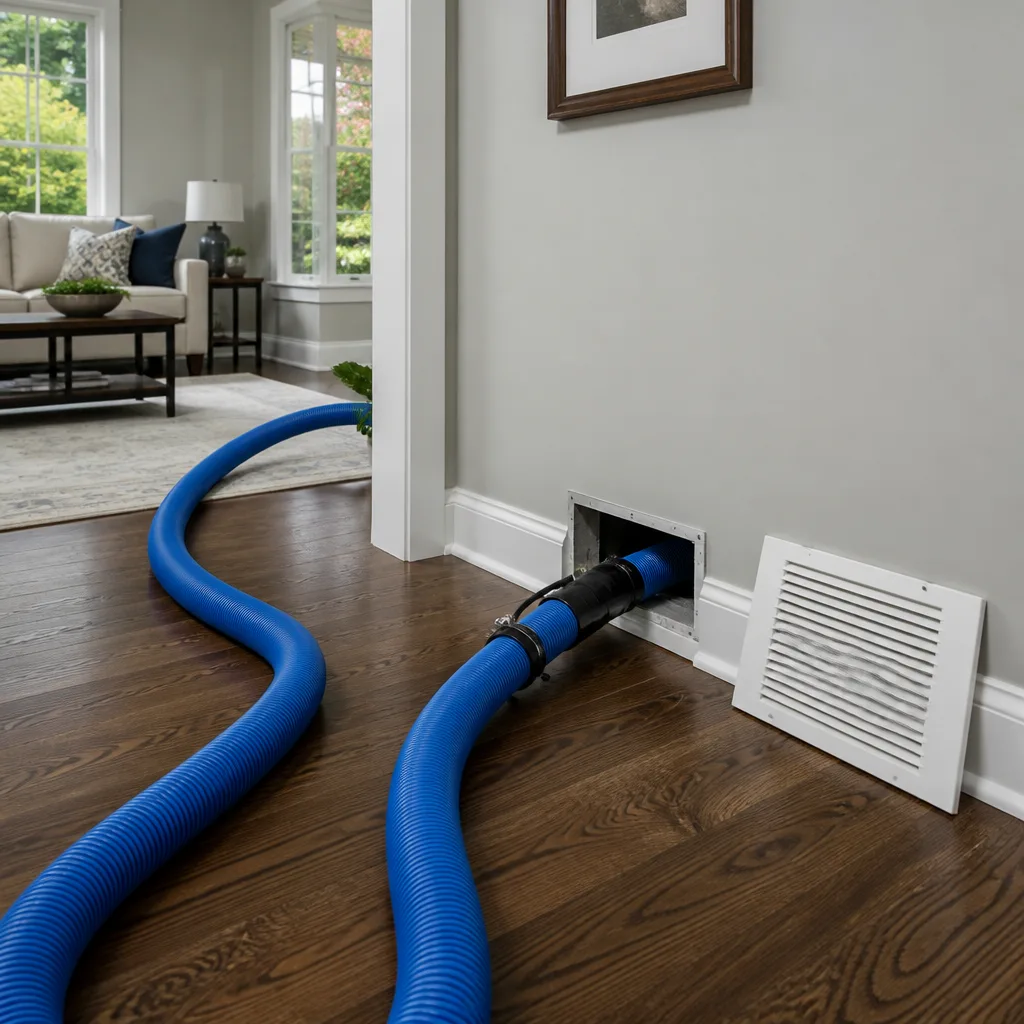 Whole-home duct cleaning
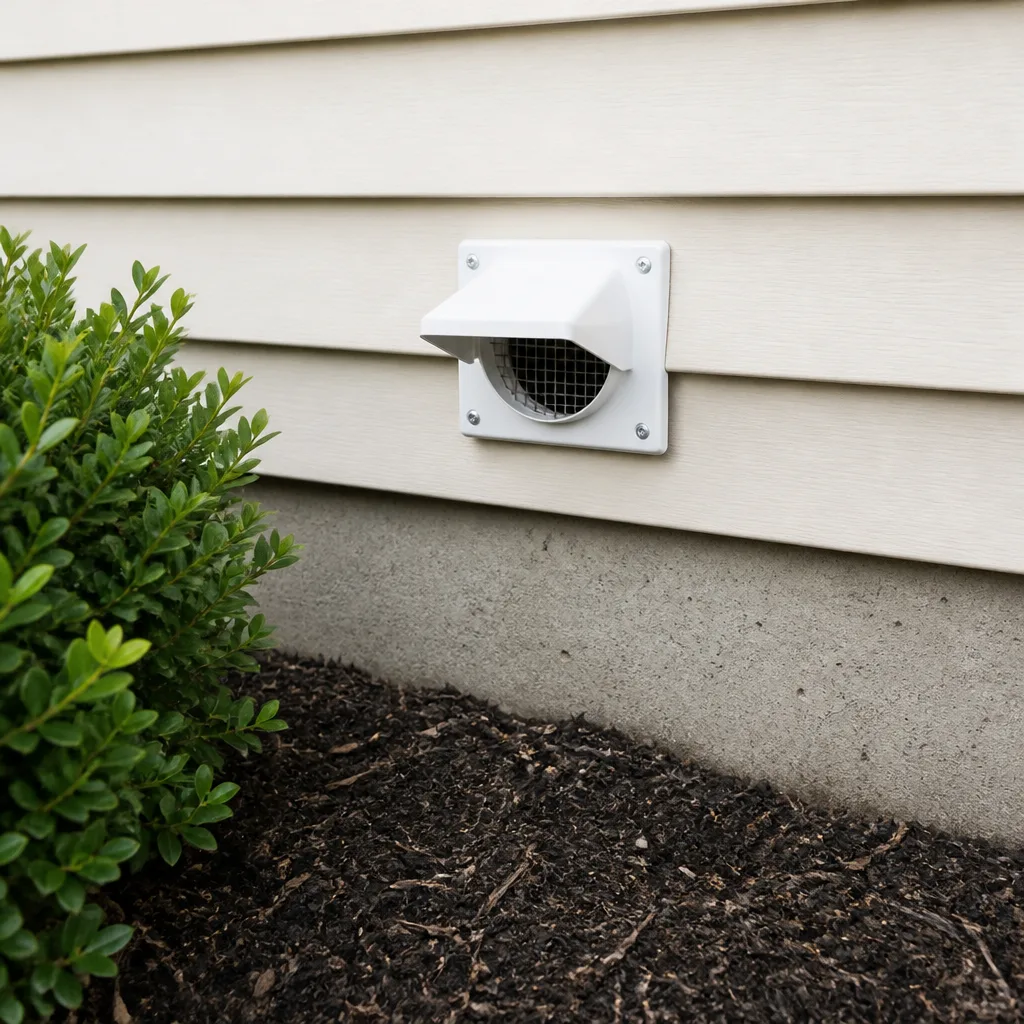 Dryer vent cleaning
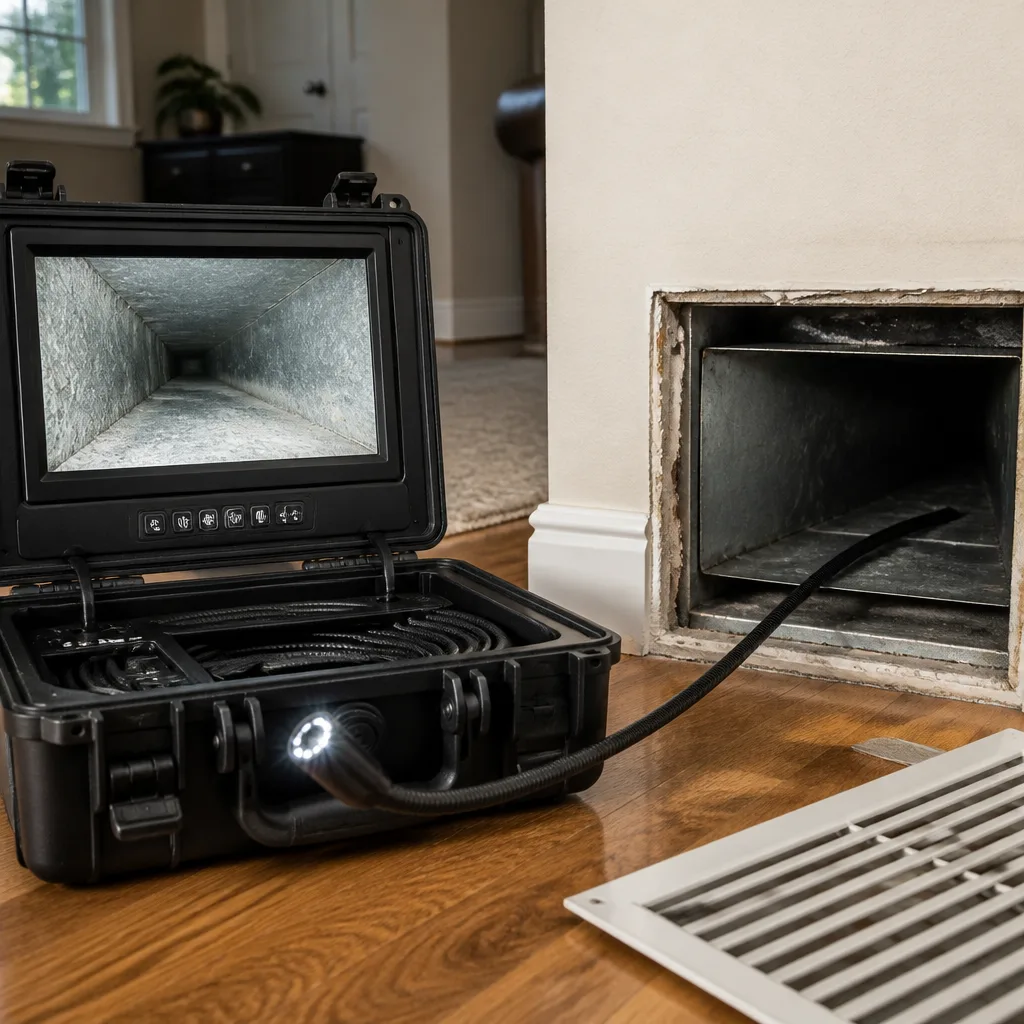 Camera inspection
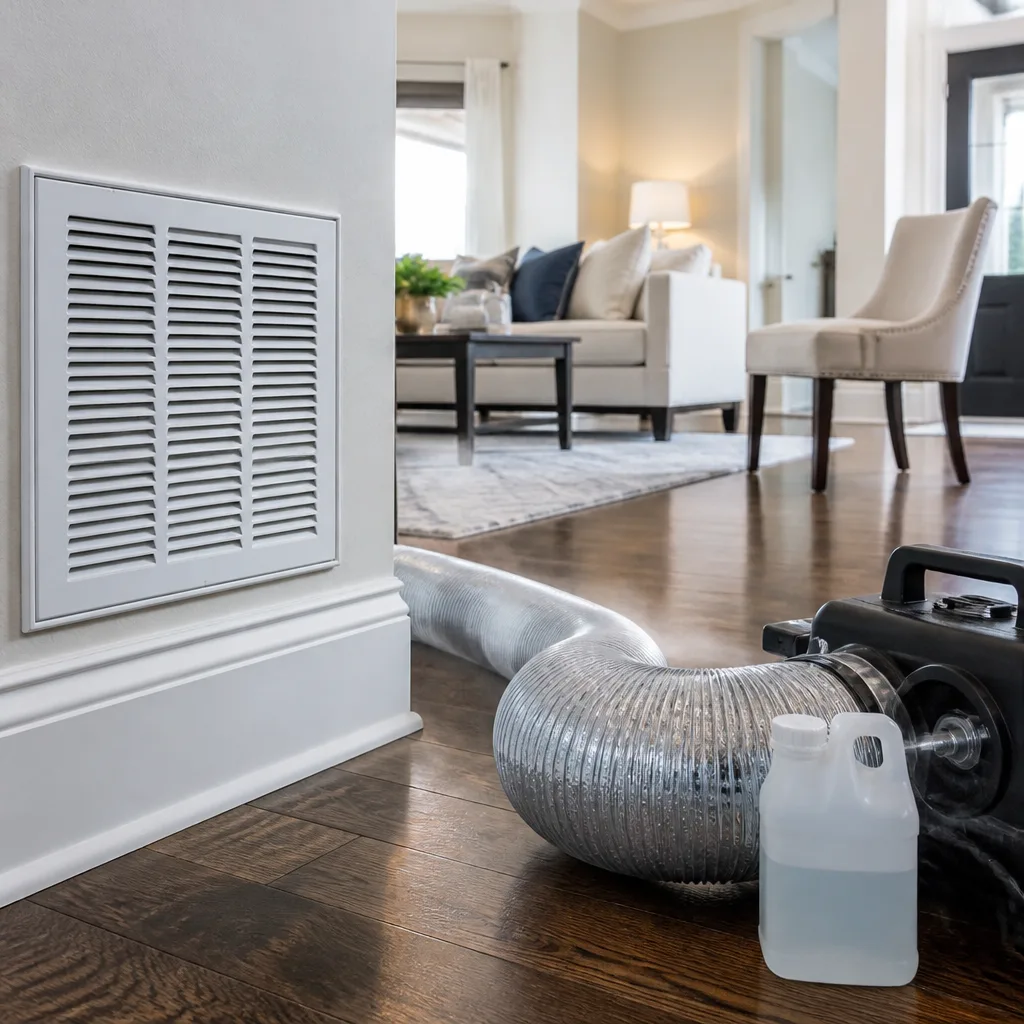 Sanitizing & deodorizing
Whole-system duct and dryer vent check with before-and-after photos - you see exactly what came out of your vents
That "$99 whole-house special" is a bait ad - the real number appears once they are in your hallway, or the "clean" is a shop-vac at the register. We photograph the inside of your ducts before and after instead.
Choosing the Right Air Duct Cleaning Brand: A Buyer’s Guide for Corona
Most homeowners in Corona shop for duct cleaning the wrong way. They ask “which company is best” when the question that actually matters is “which equipment should be used on my duct system.” The brand name on the side of the van tells you almost nothing. The platform the technician rolls into your garage, the filtration stage on that machine, and whether the duct system in your home is rigid metal or flexible duct tells you nearly everything. This guide lays out the equipment decision plainly, because once you understand the tool difference, the company decision gets a lot simpler.
Quick Answer
The right air duct cleaning “brand” isn’t a company name. It’s the equipment platform matched to your duct system’s configuration. In Corona, where many homes have flexible duct rather than rigid galvanized metal, a high-CFM vacuum system often performs better than a rotary contact brush system. Ask any contractor you’re considering what CFM their vacuum pulls, what filtration stage it uses, and whether they camera-inspect before and after. The answers separate serious operators from everyone else.
Styles & brands we work with
- Whole-home duct cleaning
- Dryer vent cleaning
- Camera inspection
- Sanitizing & deodorizing
Table of Contents
- The Three Equipment Platforms That Actually Matter
- Why Your Duct Configuration Should Drive the Equipment Choice
- Equipment Investment as a Credibility Signal
- The Four Questions to Ask Any Contractor About Their Equipment
- Why Process Discipline Beats Brand Names
- What Corona’s Climate and Housing Stock Mean for Duct Cleaning
- The Repair Variable Most Cleaning Companies Ignore
The Three Equipment Platforms That Actually Matter
Professional duct cleaning equipment falls into three functional categories. Each is built for a different job, and understanding the difference is the fastest way to spot whether a contractor knows what they’re doing or is just running a vacuum hose into your vents.
Rotary contact brush systems are what most people picture when they think of professional duct cleaning. The Rotobrush name is the most recognized in the category, and for good reason. These systems use a spinning brush head attached to a flexible shaft that physically scrubs the duct wall while a vacuum pulls loosened debris out. They’re excellent on rigid galvanized metal duct, where the brush can make solid contact with a hard surface and the agitation genuinely removes caked-on dust and debris film. The limitation is that the brush head is sized for round metal duct. When it enters flexible duct, the contact pattern changes. Flex duct has an inner liner that can be damaged by aggressive rotary contact, and the spiral wire reinforcement means the brush doesn’t make uniform contact with the surface. A responsible operator knows when to use the brush and when to rely on high-volume air movement instead.
High-CFM vacuum systems, like those built by Nikro, take a different approach. They use a powerful vacuum source, often truck-mounted, pulling 12,000 CFM or more through the duct system. A technician then uses compressed air and agitation tools inside the duct to break debris loose, and the vacuum captures it. This is a gentler mechanical process on the duct material itself, which matters in homes with flex duct. The trade-off is that without a rotating contact head, heavy debris film on the duct wall requires more aggressive air agitation to fully remove. In our experience, a high-CFM platform paired with the right agitation tools gets excellent results in flexible duct systems, which is exactly what many Corona homes have.
HEPA-filtered negative air machines, like those from Abatement Technologies, are the third piece. These machines create negative pressure inside the duct system, meaning air flows into the duct rather than out into the living space. When paired with a HEPA filter, they capture fine particulate rather than exhausting it outdoors or recirculating it. This is the same containment standard used in remediation work, and it’s what prevents a duct cleaning job from spreading dust through the house during service. A proper setup uses negative air containment while the cleaning tools do their work. Not every company runs this equipment, and the difference is noticeable on the job site.
Why Your Duct Configuration Should Drive the Equipment Choice
Here’s the variable almost no homeowner is ever told about: your duct system has a physical configuration, and different configurations respond better to different cleaning methods. In Corona’s housing stock, built heavily through the 1980s, 1990s, and 2000s, you’ll find three common duct types.
Rigid galvanized metal duct is most common in older construction and in commercial or light-commercial buildings. It’s durable, has a hard interior surface, and handles rotary contact brushing well. If your home has rigid metal duct, a rotary brush system like Rotobrush can do excellent work. The brush physically contacts the duct wall, breaks the debris bond, and the vacuum extracts it.
Flexible duct is widespread in newer single-family homes and in many Corona neighborhoods. Flex duct is a wire coil wrapped in insulation with a plastic inner liner. It’s lighter and easier to route through attics, which is why builders use it so heavily. But that inner liner is not a hard surface. A rotary brush can snag on the wire coil, tear the liner, or simply fail to make uniform contact. The better approach for flex duct is high-volume air movement with compressed air agitation. A technician who knows what they’re looking at will switch methods based on what’s actually in the attic, not just run the same tool through every home.
Fiberboard duct liner appears in some older systems, typically as insulation board inside a metal outer shell. Fiberboard has a rough, fibrous interior that traps debris. Aggressive rotary contact can break the fiberboard surface down, releasing particles into the airstream. The appropriate method here is gentler agitation combined with strong vacuum collection. A contractor who doesn’t ask what your ducts are made of before recommending a method is missing the single most important variable in the job.
The takeaway is simple: the best equipment platform is the one matched to your duct material. A technician with a premium rotary brush system who runs it through flex duct without adjusting is doing worse work than a careful operator with a solid vacuum platform who understands what flex duct needs.
Equipment Investment as a Credibility Signal
Truck-mounted duct cleaning systems with professional-grade filtration run $15,000 to $40,000 or more for a serious setup. Portable units from the same manufacturers cost less but still represent a real capital investment compared to a hardware store shop-vac. This number matters because it separates businesses that treat duct cleaning as their core trade from those that treat it as a side service bolted onto carpet cleaning, handyman work, or general HVAC maintenance.
A company that has invested in a Nikro or Rotobrush platform and Abatement Technologies containment equipment has committed real dollars to doing this work properly. They’re not going to send a technician with a household vacuum and a drill attachment into your home, because they’d be wasting the investment. The equipment is a structural signal, not a marketing claim.
This doesn’t mean you should automatically trust any company with a recognizable machine. Equipment can be run poorly. But the presence of professional-grade tools is a threshold test. If a contractor can’t tell you what CFM their vacuum pulls or what filtration stage it uses, they don’t understand their own equipment, which means they don’t understand what the equipment is doing inside your ducts.
We run Rotobrush and Nikro platforms because different duct systems need different tools. The Rotobrush handles rigid metal duct in older Corona homes. The Nikro high-CFM vacuum handles flex duct in newer construction. And we run Abatement Technologies negative air containment on every job, regardless of which cleaning platform we’re using, because the containment standard shouldn’t change based on duct material.
The Four Questions to Ask Any Contractor About Their Equipment
When you’re on the phone with a duct cleaning company, ask these four questions. The answers will tell you more than any review or marketing page.
- What CFM does your vacuum system pull? Professional systems pull 8,000 to 15,000 CFM or more. Lower numbers mean less capture power and more debris left behind. A contractor who can’t answer this question doesn’t know their equipment.
- What filtration stage do you run, and is it HEPA? Standard filters capture larger particles. HEPA filters capture 99.97% of particles at 0.3 microns. If the system recirculates air into the house rather than exhausting outside or through HEPA filtration, you’re paying to redistribute dust. The containment equipment matters more than the vacuum brand.
- Do you camera-inspect before and after? A camera inspection shows the technician what’s actually in the ducts before cleaning begins, and it proves the work was done afterward. Companies that skip inspection are working blind. You wouldn’t pay a mechanic to fix an engine without opening the hood, and you shouldn’t pay for duct cleaning without visual confirmation of the condition before and the result after.
- How do you seal the system during cleaning? Proper cleaning means sealing off supply registers and using negative pressure so that loosened debris is pulled out of the duct, not pushed into the house. A contractor who can’t explain their containment method is likely blowing dust around your home and calling it cleaning.
Ask these questions before you schedule anything. The answers, or the lack of them, will narrow your list quickly.
Why Process Discipline Beats Brand Names
The single biggest misunderstanding in the duct cleaning market is that the brand name on the equipment or the side of the van determines the quality of the work. It doesn’t. A well-executed cleaning with a mid-tier platform outperforms a rushed job with premium tools every time. Process discipline is the variable that actually determines outcomes, and process discipline shows up in specific, observable ways.
Camera inspection before and after. A disciplined operator looks inside the ducts before touching anything and documents what’s there. Then they inspect again after cleaning. This isn’t a gimmick. It’s the only way to verify the work was actually done. We do this on every job because it protects both us and the homeowner. You see what we saw. You see what we left behind. There’s no ambiguity.
System-wide sealing and containment. A disciplined process seals off registers, creates negative pressure inside the duct system, and ensures contaminants are captured or exhausted, not spread through the house. This requires patience and setup time. A rushed operator skips it. The homeowner can’t see the difference during the job, but they’ll see it in the dust that settles on their furniture afterward.
Guardsman-grade cleaning products, not consumer substitutes. The chemicals used in the process matter. Professional-grade products, like those from Guardsman, are formulated for duct environments and evaporate cleanly. Consumer-shelf substitutes leave residues, and residues attract dust. A disciplined operator uses the right product for the surface, not whatever was cheapest at the hardware store.
Documentation. A disciplined process produces a record of what was done. Before and after photos. A description of the debris found. An honest assessment of whether the ducts need more than cleaning, like repair or sealing. If a company can’t show you what they did, you can’t verify that they did anything.
Brand names on equipment tell you what tools the company bought. Process discipline tells you how the company works. The second one matters more.
What Corona’s Climate and Housing Stock Mean for Duct Cleaning
Corona’s Inland Empire location shapes what accumulates in your ducts. We’re inland, in the Santa Ana River valley, with hot, dry summers and mild winters. The air here carries fine dust from the surrounding terrain, kicked up by winds that funnel through the valley. That dust finds its way into homes through windows, doors, and the HVAC system itself. Once it’s inside the ductwork, it settles and builds up.
The dry climate also means the dust here is fine and powdery rather than damp and clumped. Fine dust stays suspended in the air longer and travels deeper into the duct system. It also passes more easily through standard HVAC filters into the living space. Homes in Corona typically accumulate a fine coating of this dust on duct walls, on the blower motor, and in the return air plenum over time, even with regular filter changes.
The housing stock matters too. Corona grew rapidly through the 1980s, 1990s, and 2000s, which means a large share of the residential inventory has flexible duct. Flex duct in attics is vulnerable to the region’s summer heat, which bakes attics to 130 degrees or more. Over years of heat cycling, the inner liner of flex duct degrades, and degraded liner holds dust more stubbornly. Older homes near the downtown core are more likely to have rigid metal duct, which responds well to rotary contact cleaning but can develop leaks at the seams over time.
Neither duct type is better. They’re just different, and they need different handling. A company that runs the same tool through every home in Corona is ignoring the actual homes they’re servicing. The right approach is to look at the specific duct system in front of us and match the method to it.
The Repair Variable Most Cleaning Companies Ignore
Here’s a scenario we see regularly in Corona. A homeowner calls a cleaning company. The technician arrives, runs the machine, leaves. The homeowner notices airflow hasn’t improved. They call another company, which does another cleaning. Airflow still hasn’t improved. The problem isn’t that the ducts are dirty. It’s that the ducts are broken, and a broken duct doesn’t get fixed by cleaning it.
Most duct cleaning companies clean and leave. They don’t inspect for damage in any meaningful way, and they don’t offer repair as a service. When a duct system has disconnects at the seams, crushed flex in the attic, or deteriorated liner, cleaning alone won’t restore airflow. The system needs actual repair work, which is a different trade entirely.
We clean it, and if it’s broken, we fix it. Air duct repair as a standalone service means we find disconnected runs, crushed sections, and failed connections, and we repair them in the same visit. The difference matters when you’re trying to solve an airflow problem. If the duct is disconnected in the attic, cleaning it will never fix the fact that conditioned air is being dumped into the attic instead of the living space. Conversely, if a duct is intact but dirty, cleaning it is exactly the right answer.
This capability changes the diagnostic value of an air duct cleaning visit. Instead of just running a machine through your vents, a technician with repair capability is actually able to tell you what’s wrong and fix the whole problem. A cleaning-only company sees every problem as a cleaning problem. We see the system as it is.
Common Mistakes to Avoid
- Choosing by coupon price. Duct cleaning coupons advertising whole-house service for $79 or $99 are classic bait-and-switch structures. The technician arrives, finds “mold” or “extra debris,” and the final invoice is $600. A flat price per system agreed before work starts eliminates this dynamic. If the price seems too cheap to cover real equipment, it is.
- Hiring a company that won’t name its equipment. A contractor who can’t tell you what vacuum platform they run, what CFM it pulls, and what filtration it uses is hiding something. Usually the something is shop-vac workarounds and a drill attachment. Ask the equipment questions in this guide. The answers separate professionals from pretenders.
- Believing duct cleaning removes mold. Duct cleaning removes dust, debris, and accumulated particulate. It does not remediate mold inside the ductwork. If a company tells you they’ll “clean the mold out of your ducts” with a brush, they’re misrepresenting what cleaning does. Actual mold issues require containment and remediation protocols beyond standard cleaning equipment.
- Skipping the camera inspection. If a company cleans without camera documentation, you have no way to verify the claim that the ducts were actually cleaned. Demand before-and-after visuals. A contractor who won’t provide them is asking you to take their word for an invisible service. That’s not how verification works.
- Cleaning when repair is actually needed. If your airflow problem is caused by a disconnected duct run in the attic, cleaning won’t fix it. You’ll pay for a service that can’t solve the actual problem. A company with repair capability can distinguish between dirty ducts and broken ducts before you spend money on the wrong fix.
- Ignoring dryer vents. The dryer vent is part of the exhaust system in your home, and it’s the single most common cause of house fires related to HVAC equipment. Lint accumulation is a fire hazard, not a maintenance checkbox. A dryer vent cleaning is a dedicated service that gets treated with the same equipment rigor as full duct work, not an upsell afterthought.
See the difference
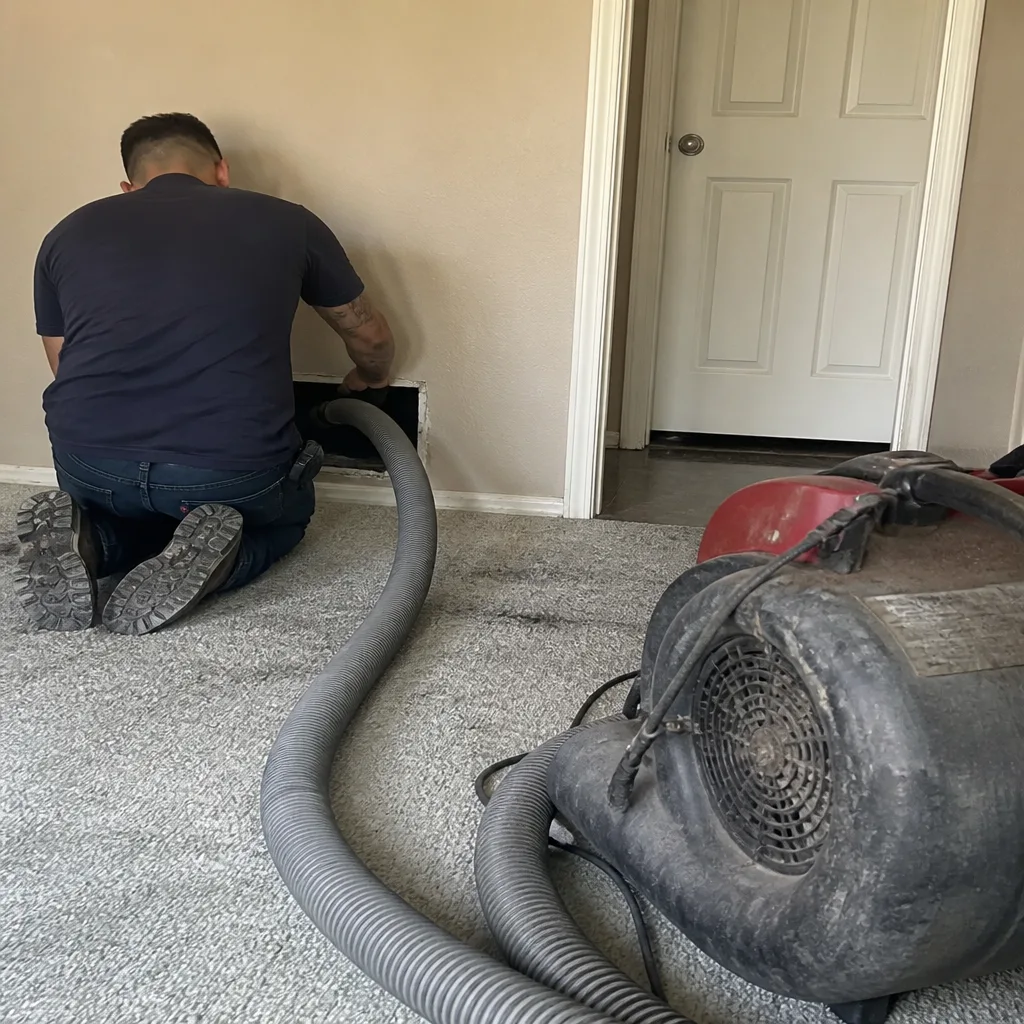 Before
 After
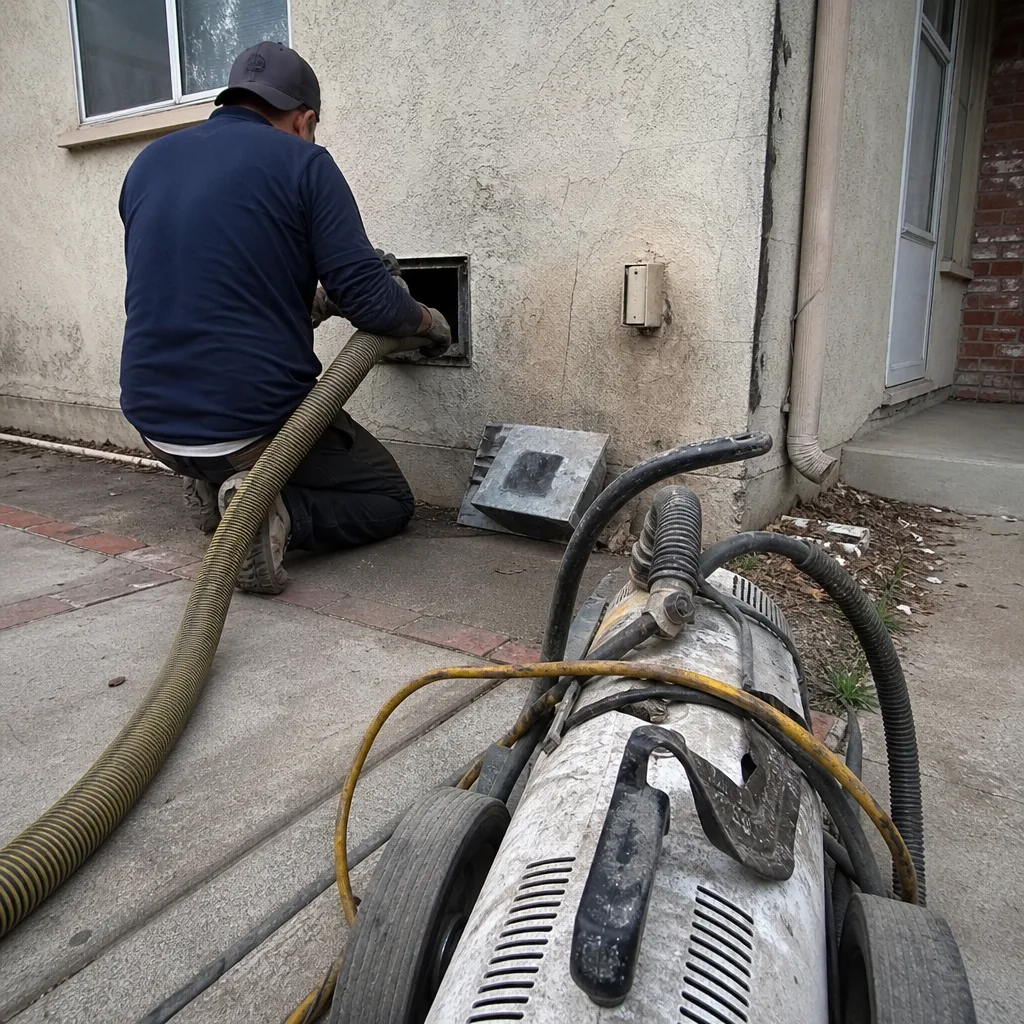 Before
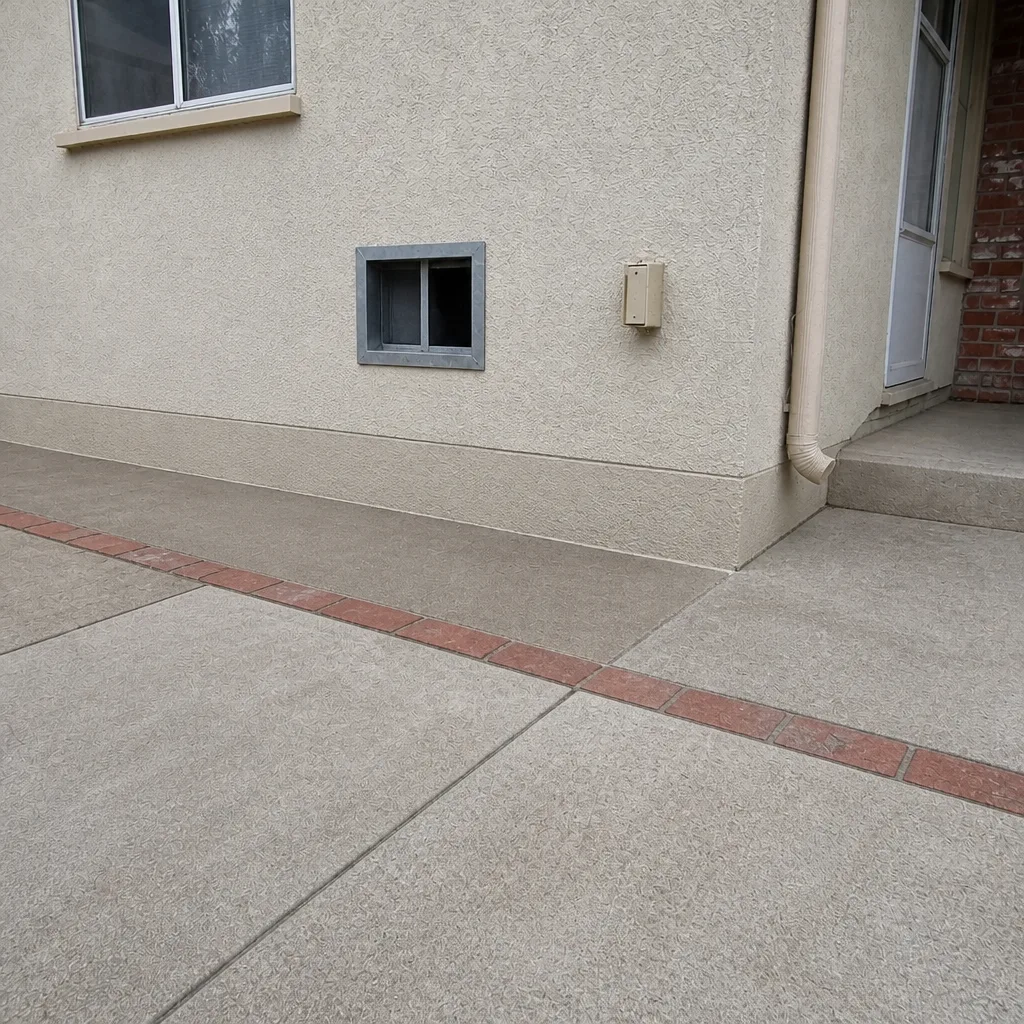 After
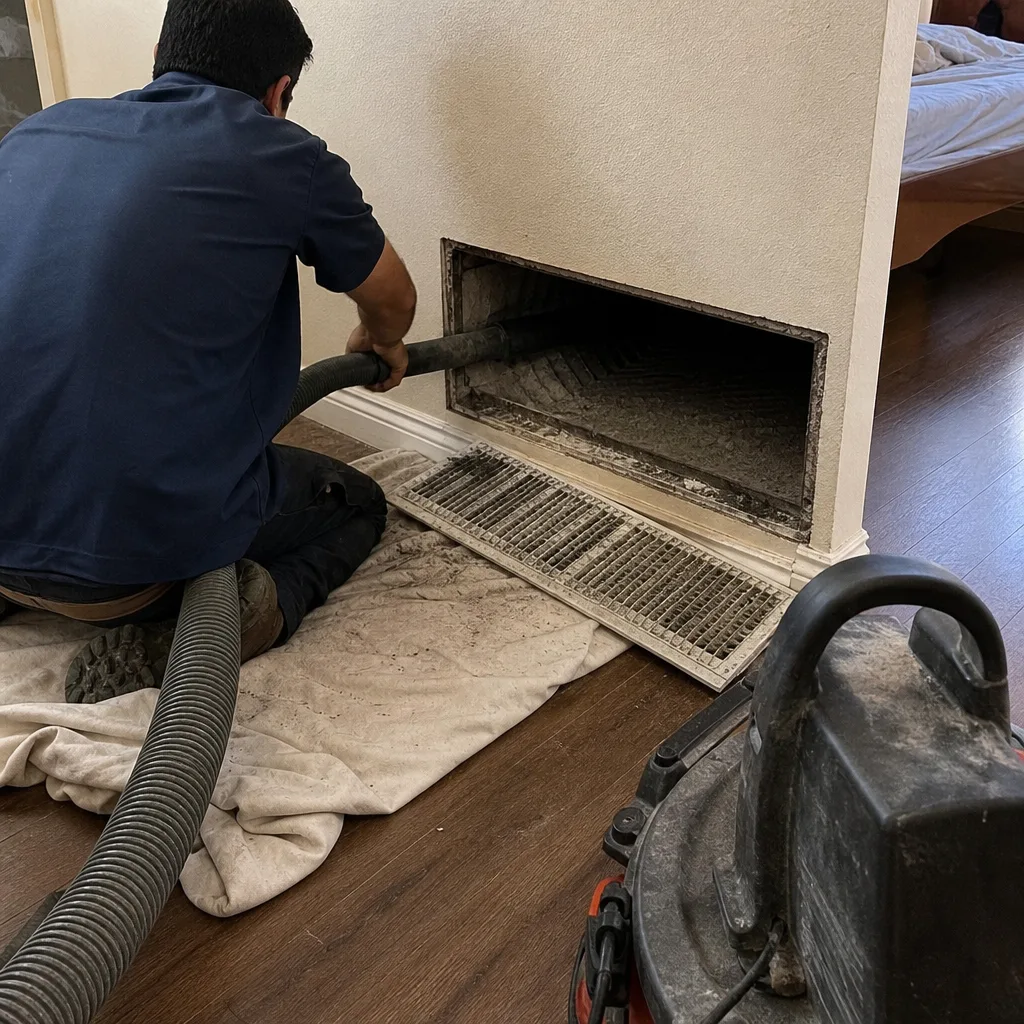 Before
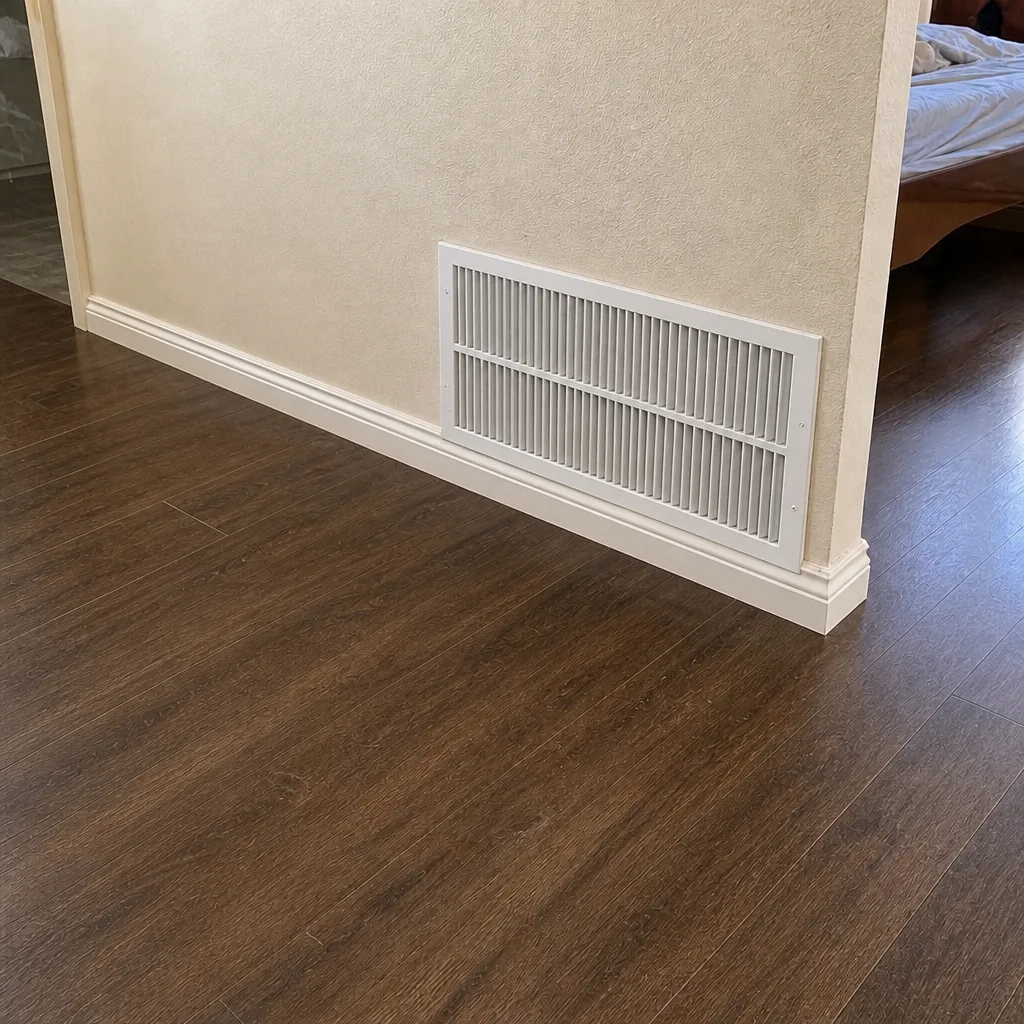 After
When to Call a Professional
You should call a professional when the DIY approach stops making sense. If you can reach a few feet into a return vent and vacuum out visible dust, that’s regular maintenance. But the duct system extends far beyond reach, through walls and attics, and that’s where the accumulation actually happens. Call when you notice allergy flare-ups that track with the HVAC running, visible dust on registers, musty odors when the system starts, or airflow that’s weaker in some rooms than others. If you haven’t had the ducts serviced in years, the honest answer is that you don’t know what’s accumulated in them. The only way to find out is to look. Duct Cleaning Corona offers free estimates in Corona – call (855) 923-0983. We answer 24/7. Fast dispatch from 7am to 7pm, Sunday through Friday.
Frequently Asked Questions
You need to know what your ducts are made of. Rigid galvanized metal duct responds well to rotary contact brush cleaning. Flexible duct with an inner liner responds better to high-CFM vacuum with air agitation. Fiberboard liner needs gentler agitation. A contractor who inspects first and tells you which method matches your system is doing it right. One who doesn’t ask what your ducts are made of is guessing.
Rotobrush is the most recognized name in rotary contact brush equipment, and it’s excellent on rigid metal duct. But the brand isn’t the right variable to optimize for. The right variable is matching the equipment type to your duct configuration. On flex duct, which is common in Corona’s newer housing stock, a high-CFM vacuum platform is often the mechanically more appropriate choice. The brand matters less than the match.
The variance usually reflects two things: the equipment the company runs and whether the initial price is real or a teaser. Professional equipment costs money to own and operate, and companies running real platforms price accordingly. Quotes that are dramatically lower are typically structured to get a technician in the door, at which point the price changes. A flat price per system agreed before work starts eliminates that dynamic.
Camera inspection before and after is the only reliable verification. Without it, you’re taking a stranger’s word that an invisible service was performed inside your walls. A contractor who documents the interior of the ducts before cleaning, then shows you the same sections after, is providing actual proof. If they won’t or can’t show you, that’s an answer too.
The Inland Empire’s dry, dusty air means fine particulate circulates more readily and settles deeper into duct systems. Corona’s hot summers also bake attic-mounted flex duct, which degrades the inner liner over heat cycles and makes it hold dust more stubbornly. Ducts here accumulate a fine, powdery dust film that recurs seasonally. Regular filter changes help, but they don’t eliminate the buildup inside the system.
Sometimes, but not always. Low airflow in one room can be a dirty duct, but it can also be a disconnected run, crushed flex, or a failed connection. Cleaning fixes the first problem. It won’t fix the others. A contractor with repair capability can diagnose which issue you have before recommending a service. If a cleaning company can’t distinguish dirty from broken, you may pay for cleaning when you needed repair.
The Bottom Line
The right air duct cleaning brand in Corona isn’t a company logo. It’s the equipment platform matched to your duct configuration, run by a technician who inspects before they clean, documents after they clean, and can repair what’s broken rather than just cleaning around it. Ask about CFM ratings and filtration stages. Ask about how the system is sealed during service. Ask whether the price is flat and the verification is visual. If the answers are specific, you’re talking to a professional. If they’re vague, you’re talking to a salesperson. Call (855) 923-0983 for a free estimate. We answer 24/7. Fast dispatch from 7am to 7pm, Sunday through Friday.
Written by the team at Duct Cleaning Corona, serving Corona since 2012.