
Last updated November 5, 2026
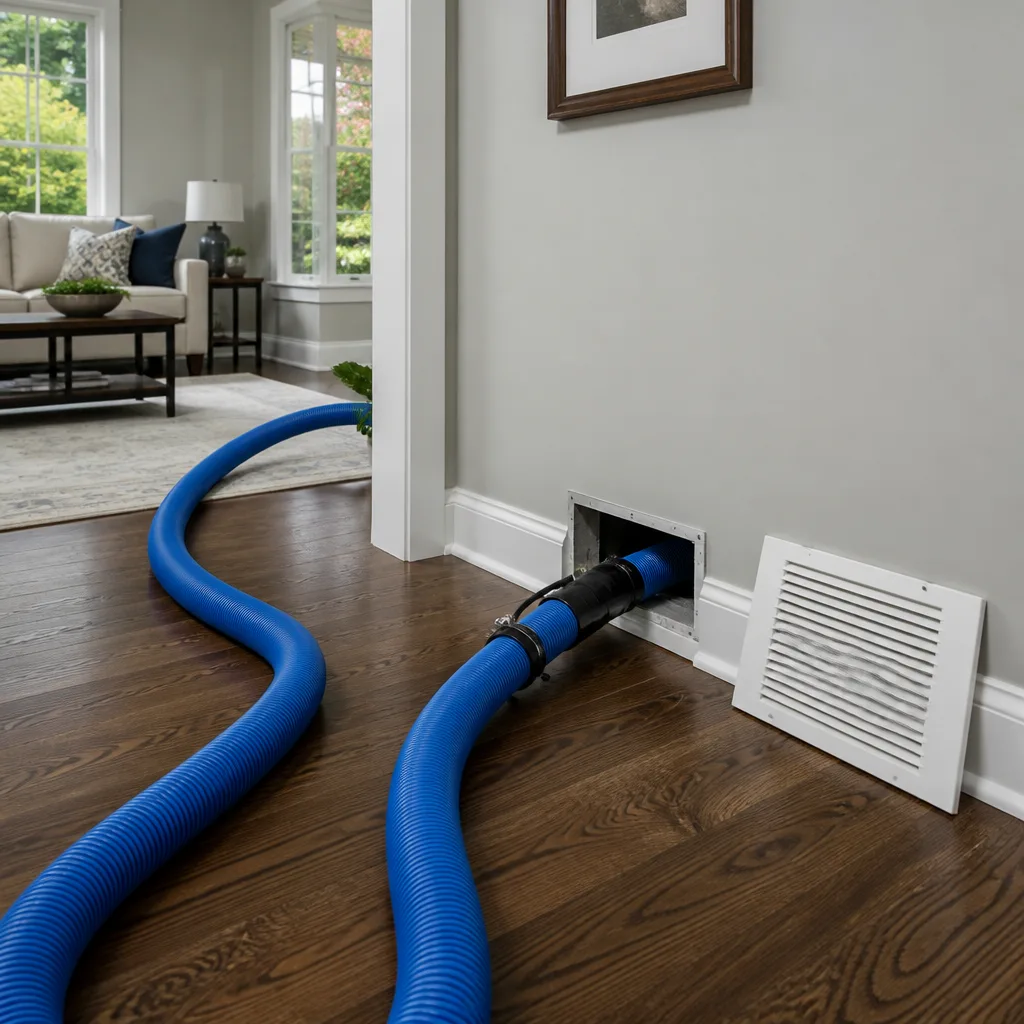 Whole-home duct cleaning
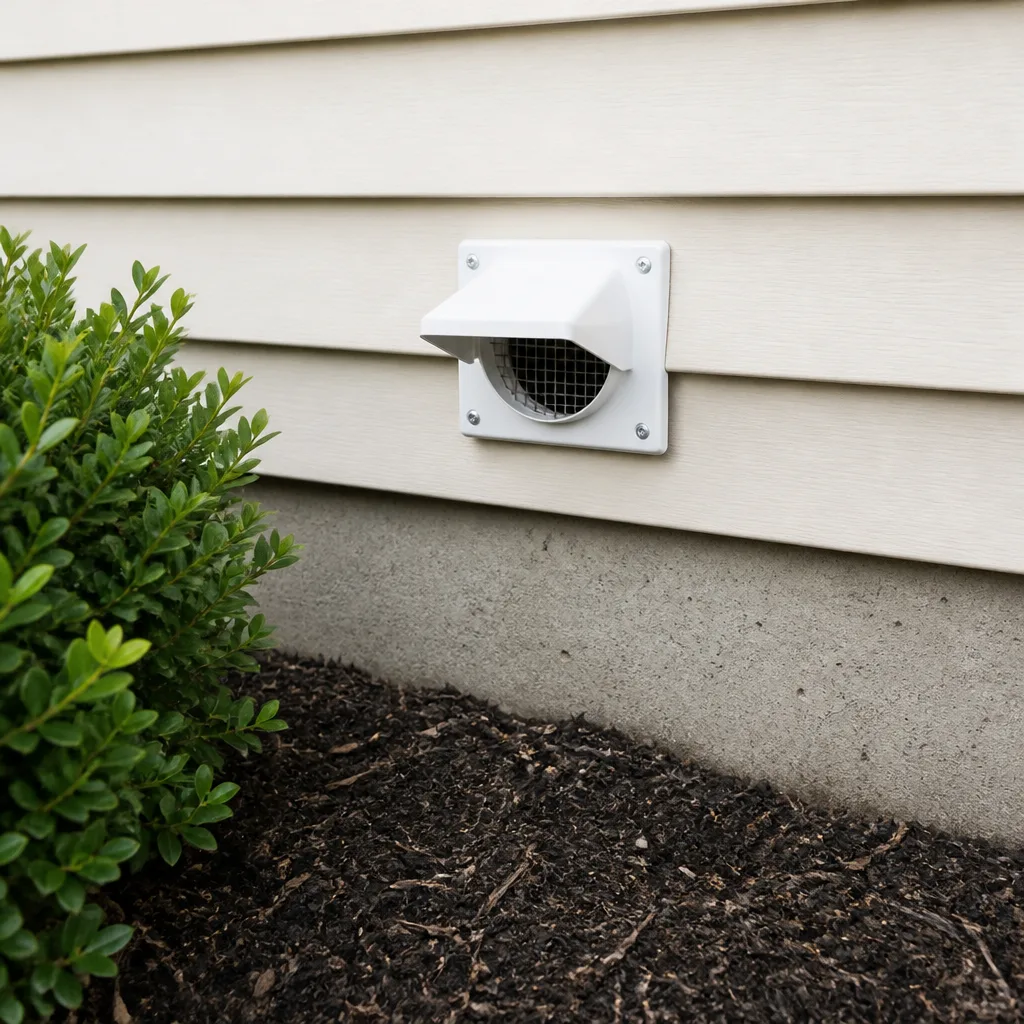 Dryer vent cleaning
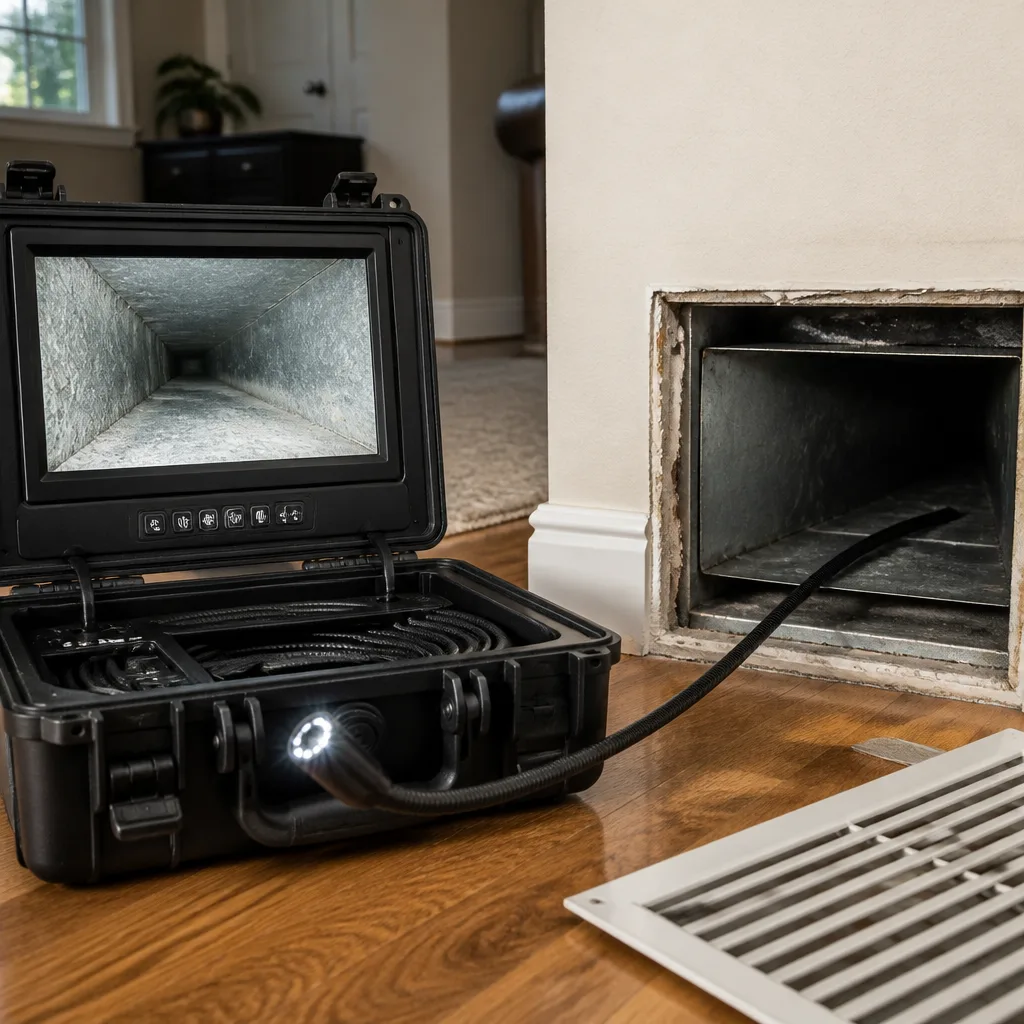 Camera inspection
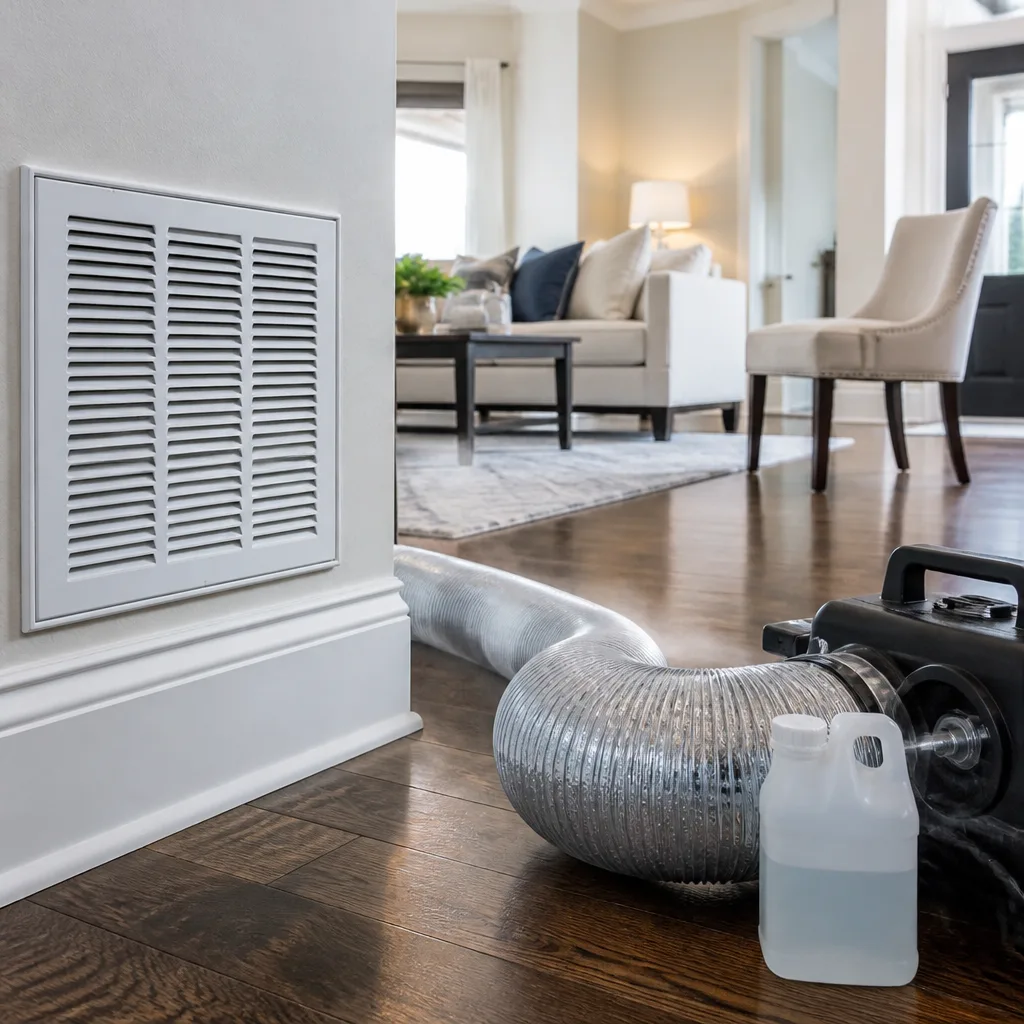 Sanitizing & deodorizing
Whole-system duct and dryer vent check with before-and-after photos - you see exactly what came out of your vents
That "$99 whole-house special" is a bait ad - the real number appears once they are in your hallway, or the "clean" is a shop-vac at the register. We photograph the inside of your ducts before and after instead.
Air Duct Cleaning Cost Breakdown: The Corona Homeowner’s Reference for 2026
The same three-bedroom house in Corona can generate duct cleaning quotes ranging from $150 to over $1,200 this year, and the spread isn’t contractors padding invoices. It’s the difference between a technician with a portable vacuum agitating the first few feet of each vent, and a two-person crew running Rotobrush and Nikro contact-cleaning tools under negative-air containment through every linear foot of your system. One of those jobs actually removes the compacted debris bonded to your duct walls. The other mostly rearranges it. This guide walks through the real cost drivers, what each component of a legitimate cleaning should cost in Corona’s 2026 market, and how to read a quote so you know which version of the job you’re being offered.
Quick Answer
Air duct cleaning in Corona typically runs $450 to $850 for a full system on a standard 1,500 to 2,500 square foot home in 2026, using professional-grade contact-cleaning equipment and negative-air containment. Smaller homes or a basic agitation-only job can drop to $150 to $300, while large homes with multiple HVAC systems, access challenges, or added scopes like dryer vent cleaning and duct repair can push past $1,200. The single biggest factor is whether the contractor performs true contact cleaning of every branch line, not whether they carry a vacuum into your hallway.
Styles & brands we work with
- Whole-home duct cleaning
- Dryer vent cleaning
- Camera inspection
- Sanitizing & deodorizing
Table of Contents
- What Actually Drives Duct Cleaning Costs in Corona
- A Per-Component Cost Reference for Corona Homes
- Why Flat-Rate Pricing Is Structurally Incompatible With Thorough Duct Cleaning
- Legitimate Add-Ons vs. Upsells That Add No Documented Value
- How to Use a Written Scope of Work to Compare Quotes
- What Corona’s Climate and Housing Stock Mean for Your Ducts
- What Happens When You Call for a Duct Cleaning Estimate
What Actually Drives Duct Cleaning Costs in Corona
The honest answer is that four independent factors set the price, and only one of them is the size of your house. Understanding these is the difference between comparing quotes apples-to-apples and accepting the lowest number from a contractor who never intended to do the same job.
Linear duct footage. This tracks house size but isn’t identical to it. A 2,000 square foot single-story ranch in Corona has a different duct run layout than a 2,000 square foot two-story where the second floor feeds through a central chase. Longer branch lines mean more tool time per vent, more compressed-air line pulls, and more ladder work on the register access. Most Corona homes fall between 40 and 120 linear feet of accessible duct.
Access point difficulty. Corona’s housing stock spans three distinct eras. Homes from the 1960s and 1970s in neighborhoods near Main Street often have registers in floor-plan layouts that were never designed for tool access at the boot level. Homes from the 1980s and 1990s east of the 15 freeway tend to have accessible attic trunks but tighter branch lines. Newer construction in the south end near Dos Lagos generally has better designed access, but often includes second systems or zoned dampers that add time. Every access point that requires cutting into a chase, working from a kneewall attic, or reaching a register behind built-in cabinetry adds labor time, which is the dominant cost in this trade.
Equipment class. This is the factor most homeowners never know to ask about. Portable systems with a brush on the end of a drill can be run by one technician and cost the contractor almost nothing to own. Truck-mounted or trailer-mounted systems from Rotobrush and Nikro generate the airflow and brush torque required to lift the bonded debris layer from metal duct walls, but they cost six figures to field and require two technicians to run properly. The equipment class determines how many jobs a crew can complete in a day, and that determines what the job must cost for the contractor to stay in business. A $199 whole-house quote in Corona almost certainly signals the portable class, no contact cleaning, and a single technician working against the clock.
Whether contact cleaning is included vs. agitation-only. Contact cleaning means a powered brush head physically touches the interior duct surface, dislodging the compacted layer of dust, pet dander, and construction debris that has adhered over years of thermal cycling. Agitation-only means compressed air or a soft whip is run through the line, which breaks loose the loose stuff and leaves the bonded layer in place. The difference in labor is substantial, and the difference in result is the entire point of hiring a professional.
A Per-Component Cost Reference for Corona Homes in 2026
Most legitimate duct cleaning contractors in Corona price by scope of work, not by a single headline number. Here is what each component of a complete job should cost as a standalone line item in the current market. Use this as a reference when you read quotes.
| Component | Typical 2026 Range in Corona | What It Includes |
|---|---|---|
| Main trunk cleaning (supply and return) | $150 – $300 | Contact cleaning of the primary trunk lines, both supply and return, with powered brush and HEPA-filtered vacuum extraction. |
| Branch line cleaning (per vent) | $18 – $35 per vent | Contact cleaning of each individual branch run from the trunk to the register boot. A 10-vent home would run $180 – $350 for this component. |
| Register and grille service | $8 – $15 per register | Removal, cleaning, and reinstallation of supply registers and return grilles. Includes wiping down visible buildup and checking for loose fasteners. |
| Coil inspection (as part of cleaning) | $30 – $75 | Visual inspection of the evaporator coil and blower compartment for debris buildup. Cleaning the coil itself is a separate line item. |
| Sanitizing / deodorizing (optional) | $90 – $180 | Application of a Guardsman-grade antimicrobial product after mechanical cleaning is complete. This is a legitimate post-cleaning step, but it’s optional and should never be presented as a substitute for mechanical removal. |
| Dryer vent cleaning (add-on) | $80 – $150 | Complete cleaning of the dryer exhaust run from the appliance to the exterior termination point. Should include airflow verification after cleaning. |
| Duct repair / sealing (if needed, per duct) | $75 – $250 per section | Sectional replacement or sealing of compromised ductwork found during cleaning. This is where having a contractor who can both clean and repair pays off. |
These ranges reflect Corona’s market conditions in 2026, where labor rates for skilled trade work run higher than the national average and equipment compliance costs have continued to rise. A contractor quoting materially below these numbers for the same scope is either losing money, which means corners are being cut, or the scope isn’t the same.
Why Flat-Rate Pricing Is Structurally Incompatible With Thorough Duct Cleaning
Here’s what’s actually inside your ducts, and it explains why flat-rate pricing fails. The debris layer in a residential HVAC system is not uniform. The first 18 inches of every branch line collects more than the midpoint. Return-side ducts, which carry unfiltered air from the home back to the air handler, accumulate faster than supply-side lines. The trunk nearest the filter housing collects what the filter doesn’t catch. Some sections may have been disturbed by prior work, some may have been untouched since construction.
Thorough duct cleaning requires the technician to see and respond to what the tool encounters in each line. A branch line that hasn’t been touched in 20 years takes longer than one that was cleaned recently. A return drop with pet hair embedded in the elbow needs different work than a supply run with dry construction dust. If a contractor has committed to a flat $299 for the whole house, they are structurally required to either rush through the difficult sections, skip lines that aren’t easily reachable, or cut the scope elsewhere to stay profitable.
Contractors who do this work properly price it by the scope they can see at the time of the estimate, then adjust if the job reveals conditions the estimate didn’t anticipate. That’s not a bait-and-switch. That’s honesty about mechanical reality. Comparison shopping by headline price in this trade inevitably rewards the contractor who plans to do the least.
Legitimate Add-Ons vs. Upsells That Add No Documented Value
The duct cleaning industry has a documented reputation problem, and the upsell is a big part of it. Here’s how to sort legitimate add-ons from upsells that add no documented value.
What’s worth paying for:
- Dryer vent cleaning. This is a fire-safety task, not a maintenance checkbox. Lint accumulation in dryer exhaust runs is a leading cause of residential dryer fires, and a dedicated dryer vent cleaning service should include full-line access, brushing, and verification that airflow has been restored to specification.
- Evaporator coil cleaning. When a coil is heavily fouled, cleaning it restores thermal efficiency and reduces strain on the compressor. This is a legitimate separate line item with real performance consequences.
- Duct sealing or sectional repair. If a cleaning reveals disconnected joints, crushed flex runs, or torn liner insulation, repairing those compromises is a genuine improvement to system performance. Duct leakage in typical homes can account for 20 to 30 percent of conditioned air loss.
- Sanitizing after mechanical cleaning. A Guardsman-grade antimicrobial application after the debris is removed is a reasonable step for homes with musty odors or allergy concerns. The key word is after. Sanitizing without mechanical cleaning first is cosmetic.
What to treat with skepticism:
- Fogging or misting as a standalone service. Fogging puts a product into the air to settle on surfaces. It doesn’t remove the debris bonded to duct walls. If someone offers fogging without contact cleaning as the primary service, they’re offering you scented air, not a cleaned system.
- Enzyme treatments billed per vent without documentation. Enzymes have legitimate uses in specific contamination scenarios, but residential duct cleaning rarely requires them, and no reputable contractor should bill per-vent enzyme application without showing you why that vent specifically needs it.
- Free or deeply discounted coil inspection that always leads to a “must-do” recommendation. A coil inspection is a normal part of a thorough duct cleaning. If it’s being used as a loss leader to generate a mandatory upsell, the incentive structure is wrong.
How to Use a Written Scope of Work to Compare Quotes
The single most useful thing a Corona homeowner can do when comparing duct cleaning quotes is demand a written scope of work. A scope describes what will happen, in what order, with what equipment, and what the contractor will do if conditions differ from what was estimated. Two quotes for $500 can describe entirely different jobs. Two quotes with identical scopes can be compared on price with confidence.
A legitimate scope of work for residential duct cleaning in Corona should include these elements. Use this as a checklist:
- System description. The number of HVAC systems, heat type, approximate square footage, and number of supply and return vents as counted at the time of the estimate.
- Equipment to be used. Named equipment class and brand. “Professional-grade Rotobrush and Nikro contact-cleaning tools with HEPA-filtered vacuum extraction and Abatement Technologies negative-air containment” tells you a specific job is planned. “Duct cleaning machine” tells you nothing.
- Containment method. How the contractor will prevent cross-contamination of your home during the work. Negative-air containment means the work area is kept under negative pressure so that dislodged debris flows out of the home through the HEPA filter, not into the living space.
- Access plan. Which access points will be used, whether any will require cutting (and if so, who repairs the cut), and how the registers will be protected during the work.
- Step-by-step sequence. The order of operations: containment setup, trunk cleaning, branch line cleaning, register service, coil inspection, post-cleaning inspection with before-and-after photos.
- What’s included and what’s excluded. Explicitly. “Dryer vent cleaning” is either in the scope or out of it. So is “coil cleaning.” So is “sanitizing.” If it’s not written down, it’s not included.
- Conditions that trigger a change order. What happens if the crew finds significant duct damage, mold-like growth, or an access point that requires more work than estimated. The change order process should be written into the scope, not invented on site.
Contractors who refuse to provide a written scope of work, or who describe the job only by a flat price and a vague description, are asking you to trust them without giving you the information to verify what that trust bought. The scope is the contract between you and the machine doing the work.
What Corona’s Climate and Housing Stock Mean for Your Ducts
Corona’s inland Southern California climate and its particular mix of housing eras create a predictable set of conditions inside residential duct systems here. Dry, warm summers mean the HVAC system runs for months at a stretch, with predictable consequences. Here’s what the local conditions mean for what’s inside the ducts of a typical Corona home.
Dust load is regional and significant. Corona sits in a semi-arid inland valley, and the surrounding terrain contributes fine particulate matter to the air. Combined with normal household dust, pet dander, and fibers from carpet and upholstery, the accumulation inside return ducts here can be substantial. Return-side runs in Corona homes often show heavier accumulation than supply-side runs because the returns draw in whatever’s in the living space.
Older housing means older, often more fragile, duct materials. Homes near the historic core of Corona, some dating to the 1950s and earlier, may have metal ductwork that’s survived decades of thermal cycling. That metal is often in good shape, but joints can be loose, and the surfaces bonded with decades of debris are exactly the kind that require contact cleaning with real equipment. Homes from the 1970s and 1980s may have flex duct that has degraded, and that’s where the repair capability matters. A contractor who can find and fix compromised sections during a cleaning saves a homeowner from a second appointment with a different trade.
Two-story homes create access challenges worth planning for. Corona’s east-end subdivisions include many two-story homes where second-floor branch lines run through tight attic spaces or down wall chases. These access points add labor time, and a scope of work that lists them explicitly is a scope that was written by someone who actually looked at your home, not a flat price generated from page one of a pricing book.
Newer construction has cleaner ductwork but more places for debris to hide. Homes built in the last decade in south Corona, particularly in the newer neighborhoods around Dos Lagos and Eagle Glen, often have better sealed duct systems and shorter runs. But they also frequently have zoned dampers, variable-speed air handlers, and second systems for upstairs. Each damper, each zone, each additional system is another surface area for debris to settle on, and another access point a proper cleaning must include.
If you haven’t had your ducts serviced in years, what you’re dealing with is a combination of regional dust, household particulate, and the accumulated results of daily living moving through the system every time the blower runs. That’s what Duct Cleaning Corona was built to handle, with professional-grade equipment and a scope-first approach. And if the cleaning reveals ductwork that’s broken, we repair it in the same visit. We clean it, and if it’s broken, we fix it.
What Happens When You Call for a Duct Cleaning Estimate in Corona
The estimate process tells you a lot about the contractor you’re dealing with, and it should start before anyone touches a tool. Here’s how the estimate should go, and how we run ours. Call (855) 923-0983. We answer 24/7. Fast dispatch from 7am to 7pm, Sunday through Friday.
- Phone conversation about the home. Square footage, number of systems, whether you’ve noticed specific issues like musty odor, dust buildup on registers, or uneven airflow. This helps us give you an honest initial range and tell you whether a site visit makes sense.
- Free on-site walkthrough. We look at the systems, the register count, the access points, and the general condition of what we can see. This is a free estimate. The written estimate we leave with you sets the final price per job, and it’s based on the scope we can see at that time.
- Written scope of work. The step-by-step plan, the equipment we’ll use, the containment method, and exactly what’s included and what’s not. If the job reveals something different from what we estimated, you’ll know about it before you’re asked to pay for it, and the change order process is written into the scope.
- The work. Two-person crew, Rotobrush and Nikro contact-cleaning equipment, Abatement Technologies negative-air containment, and Guardsman-grade cleaning products used throughout the process. Before-and-after photos of your own ducts so you can see what was removed.
The price spread in Corona duct cleaning exists because contractors are doing different jobs and calling them the same thing. The way to protect yourself isn’t to chase the lowest number. It’s to know what a complete job includes, demand it in writing, and choose the contractor whose scope describes actual work, not just a visit to your attic.
Common Mistakes to Avoid
- Choosing by headline price. The $199 offer and the $750 quote are not competing for the same job. The $199 offer is a portable vacuum and an agitation pass. The $750 quote is contact cleaning with HEPA extraction under containment. If you compare them as equals, you’re comparing a scooter to a truck.
- Accepting a quote without a written scope of work. Without a scope, “duct cleaning” means whatever the contractor wants it to mean on the day of the job. The scope is your only protection against scope shrinkage.
- Skipping the dryer vent. Corona homeowners often treat dryer vent cleaning as something to do “eventually.” It’s a fire-safety service with a specific, measurable outcome: airflow restored to specification. Skipping it because it’s an add-on is skipping the one service that has a direct safety consequence.
- Paying for sanitizing without mechanical cleaning. Sanitizing after mechanical cleaning is legitimate. Sanitizing instead of mechanical cleaning is air freshener with a certificate. The order matters.
- Hiring a contractor who can’t repair what they find. If a cleaning reveals a disconnected duct joint, a crushed flex run, or a torn liner, the last thing you want is a second appointment with a different contractor who has to re-access the same chase. The ability to air duct cleaning and repair in the same visit is worth real money.
- Ignoring before-and-after photos. A contractor who documents the work with photos of your actual ducts is a contractor who can be held accountable for what happened. A contractor who won’t show you the inside of your ducts is asking for trust without verification.
- Assuming all Corona homes need the same thing. A 1950s home near Main Street, a 1990s two-story east of the 15, and a 2015 build in south Corona have genuinely different duct systems and genuinely different needs. The contractor who treats them as interchangeable is the one to avoid.
See the difference
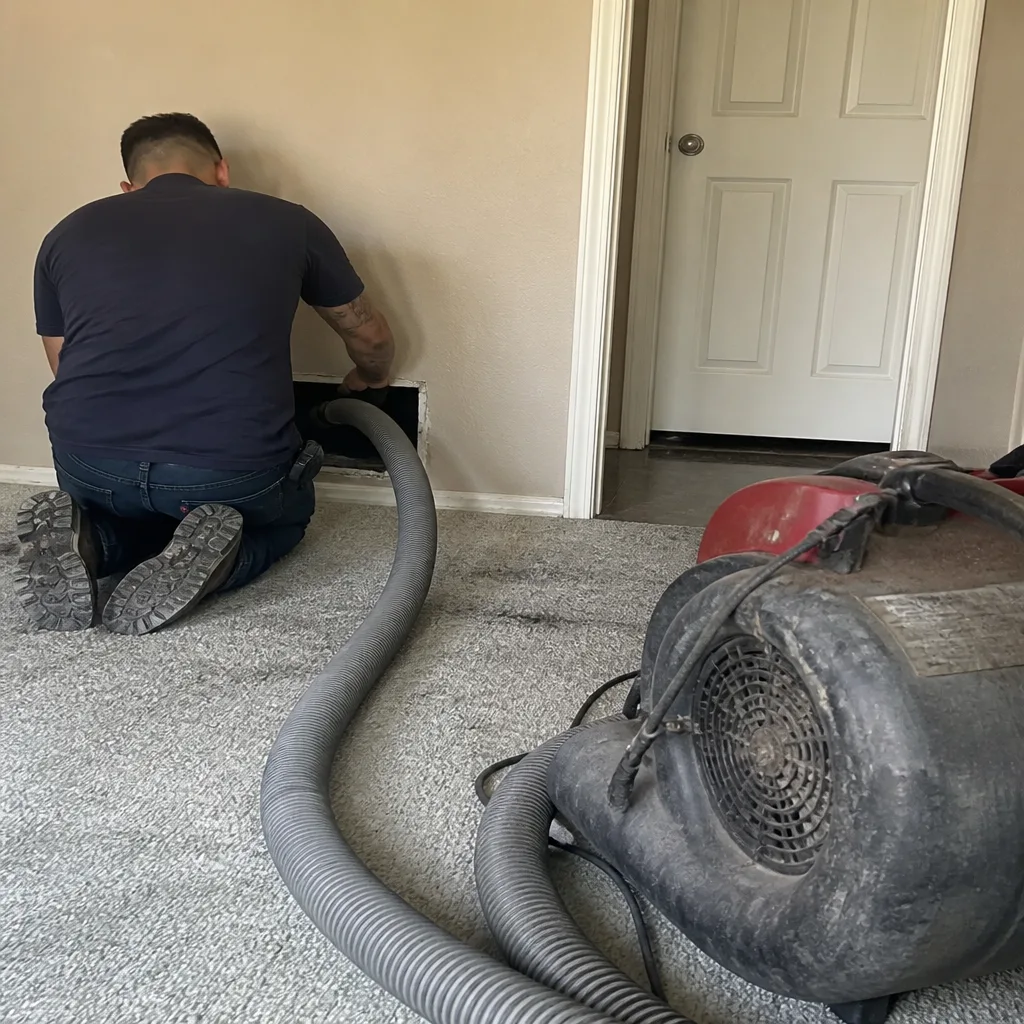 Before
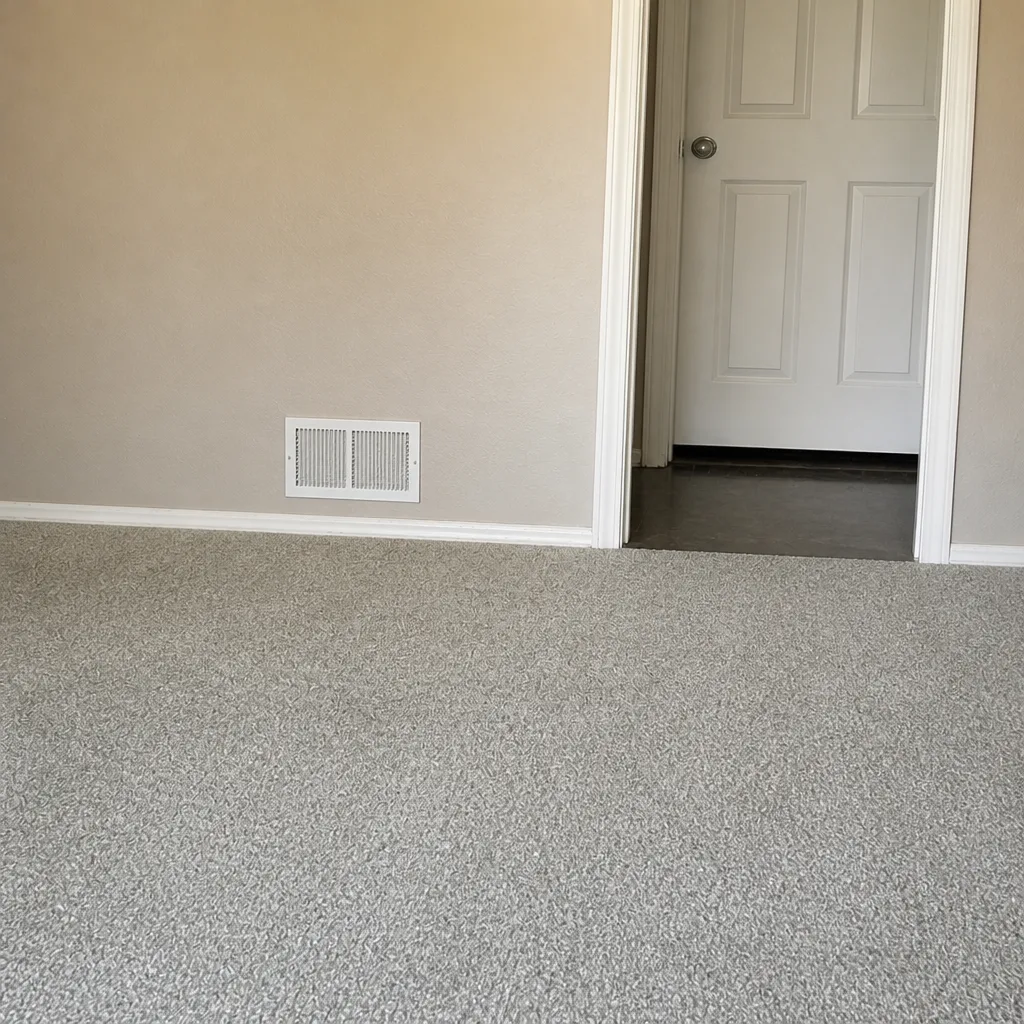 After
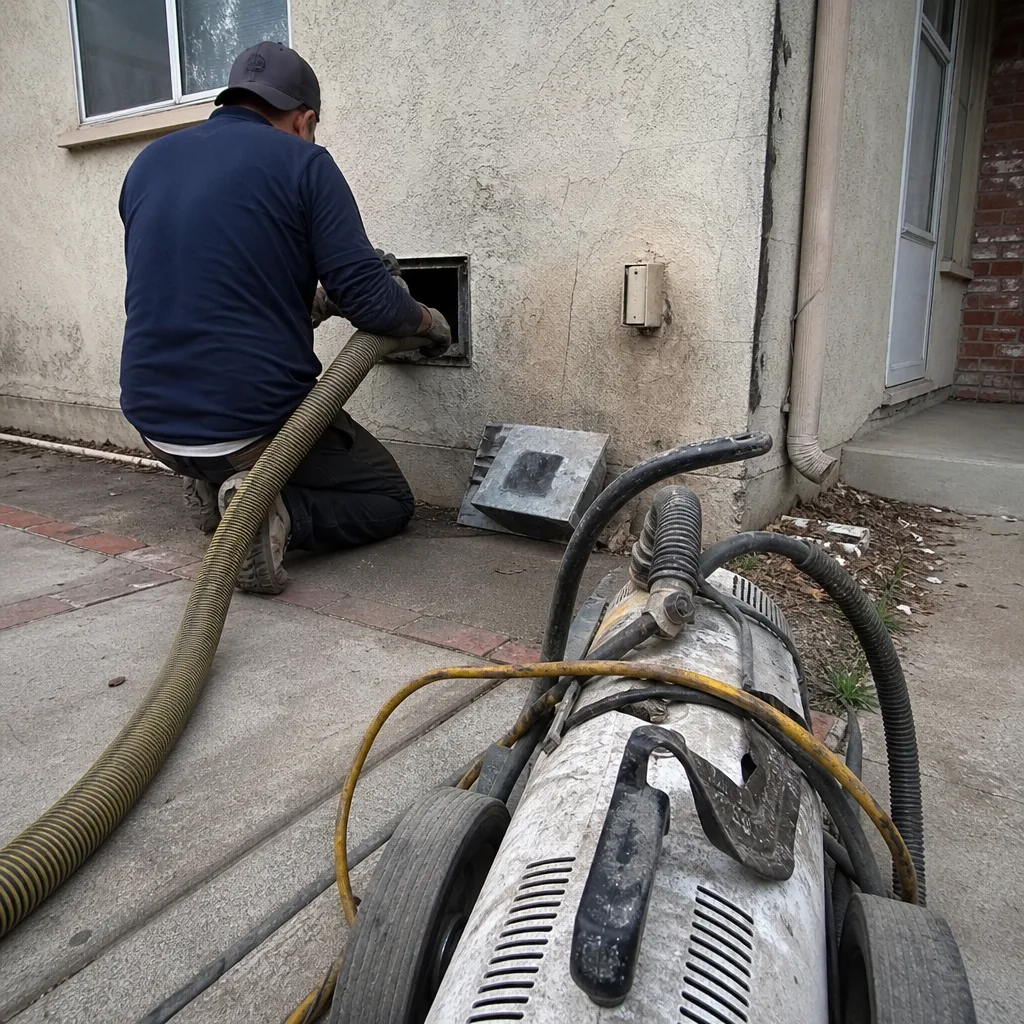 Before
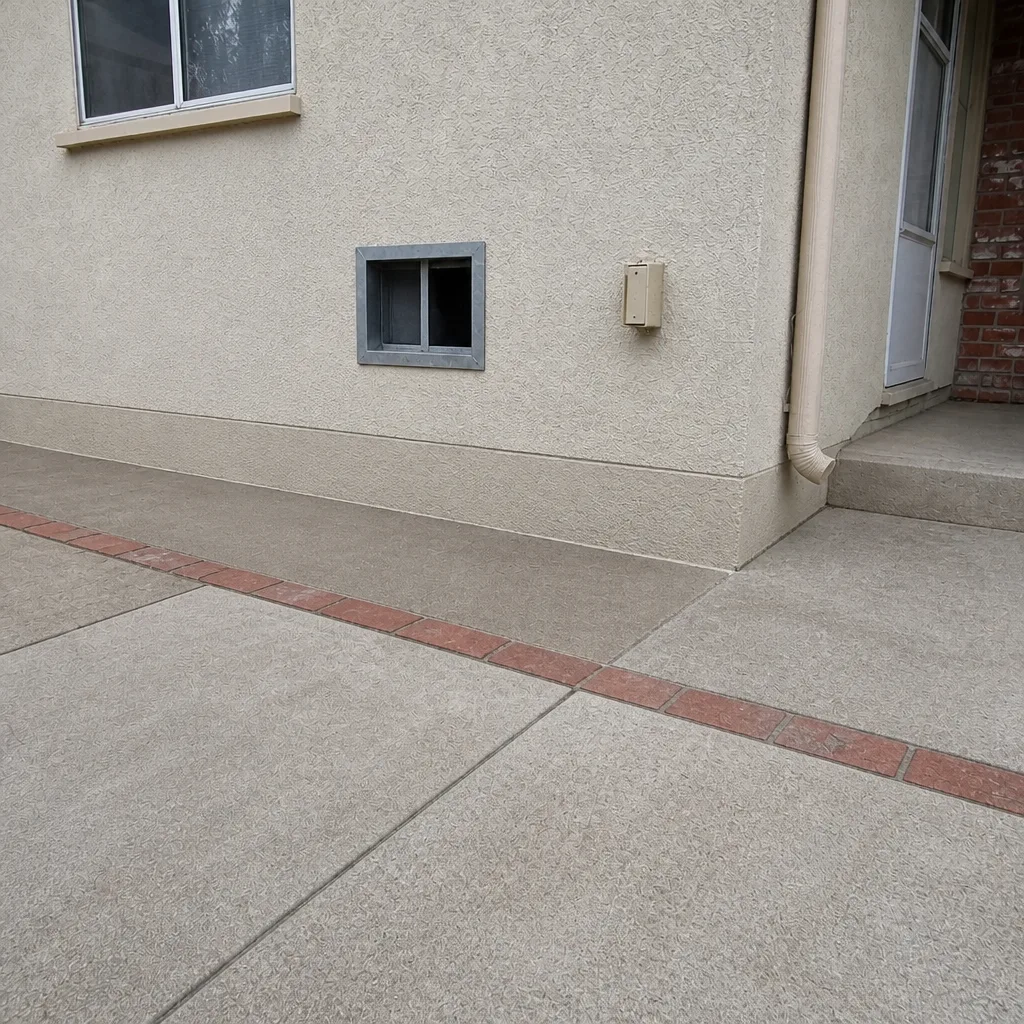 After
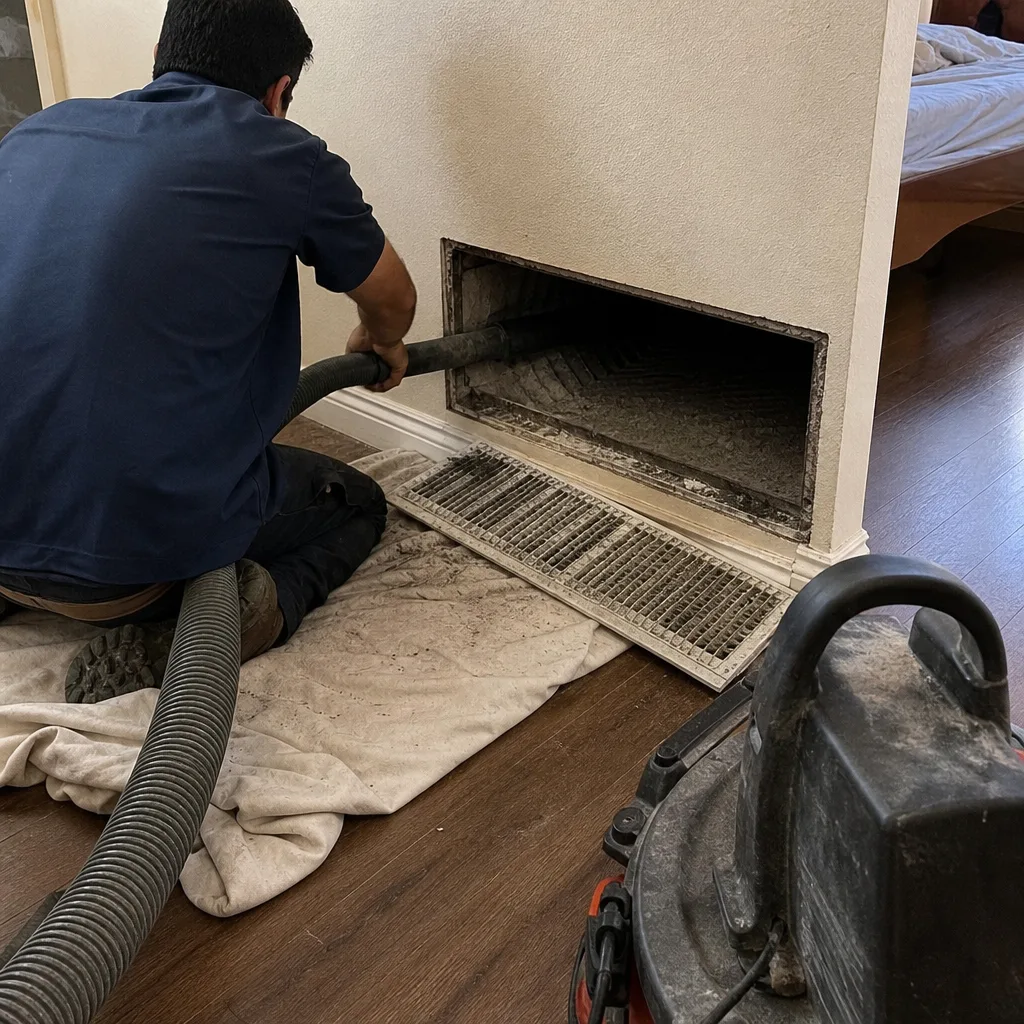 Before
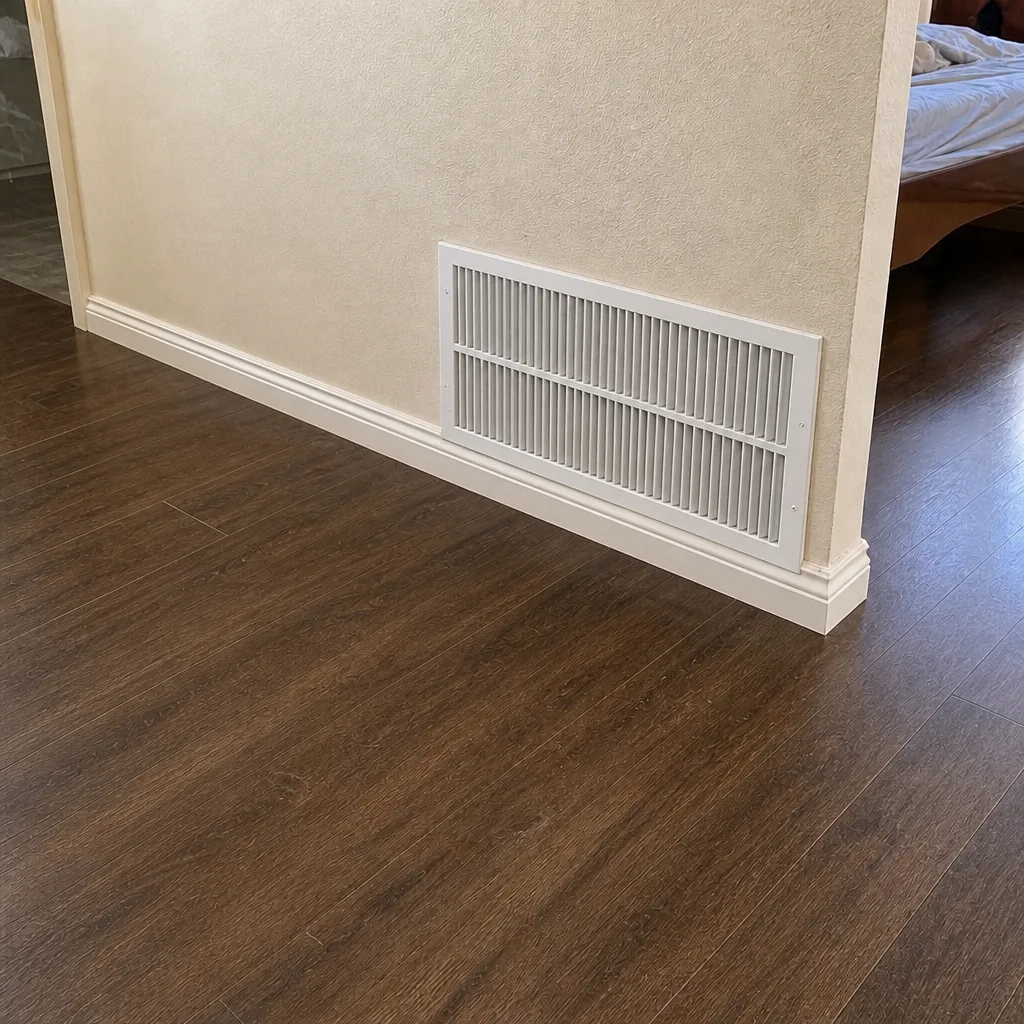 After
When to Call a Professional
Some conditions signal that it’s time to stop wondering and get a professional look at the system. You should call a professional for an estimate if you’ve noticed dust accumulating on surfaces unusually quickly after cleaning, if airflow from specific rooms has dropped noticeably, if there’s a musty or stale odor when the system starts up, if anyone in the home has allergy or respiratory symptoms that seem worse indoors, if you’ve had renovation or construction work done and the ducts were never cleaned afterward, or if you simply can’t remember the last time anyone looked at the system. These are not emergencies, but they’re signals that the ducts have something to tell you. Duct Cleaning Corona offers free estimates in Corona. Call (855) 923-0983. We answer 24/7. Fast dispatch from 7am to 7pm, Sunday through Friday.
Frequently Asked Questions
A complete air duct cleaning in Corona typically costs $450 to $850 for a standard 1,500 to 2,500 square foot home using professional-grade contact-cleaning equipment with negative-air containment. Smaller homes or basic agitation-only jobs run $150 to $300, while large homes with multiple systems or access challenges can exceed $1,200. Call (855) 923-0983 for a free estimate written specifically for your home.
Low quotes almost always reflect portable shop-vac-class equipment, no contact cleaning of branch lines, and a single technician working without containment. The job being performed is agitation of loose debris near the register openings, not removal of the bonded layer throughout the system. The equipment class and labor model determine the price, and the spread between $199 and $750 quotes represents two different jobs.
Demand before-and-after photos of your actual ducts, taken from the access points, showing the interior surfaces before and after contact cleaning. Written documentation of what was cleaned, the containment method used, and any conditions found during the work. The photos are the verification. Call (855) 923-0983 to talk through what a complete job looks like.
Every 3 to 5 years is a reasonable interval for most Corona homes, with shorter intervals for homes with pets that shed heavily, homes near construction activity, or households with allergy concerns. The honest answer depends on what the system looks like when we open it up, which is one reason the inspection before the cleaning matters.
Duct cleaning is worth the money when the job is contact cleaning with professional equipment and HEPA-filtered extraction under negative-air containment, priced by a written scope of work. It’s a waste of money when it’s an agitation pass with a portable vacuum sold as a whole-house service for $199. The trade’s reputation problem comes from the second kind of job.
Removing the accumulated layer of dust, pollen, pet dander, and particulate from the duct system can reduce the amount of airborne debris that gets redistributed through the living space every time the blower runs. For Corona homeowners with seasonal allergies, the reduction in circulating particulate is measurable. The honest caveat is that duct cleaning is one component of indoor air quality, not a standalone solution, and upgrading to a Honeywell or Aprilaire filtration product may be the next step for serious concerns.
The Bottom Line
Duct cleaning in Corona costs between $150 and $1,200 because contractors are not all performing the same job. The low end is an agitation pass with portable equipment that leaves the bonded debris layer in place. The high end is contact cleaning with professional-grade Rotobrush and Nikro equipment, HEPA-filtered extraction, negative-air containment using Abatement Technologies equipment, and a written scope of work that tells you exactly what happened in every linear foot of your system. The way to protect yourself is not to compare headline prices. It’s to compare scopes. If you’re in Corona and want to know what’s actually inside your ducts, call (855) 923-0983. We answer 24/7. Fast dispatch from 7am to 7pm, Sunday through Friday. Estimates are free and the written scope tells you what the job will cost before work begins.
Written by the team at Duct Cleaning Corona, serving Corona since 2012.