
Last updated November 5, 2026
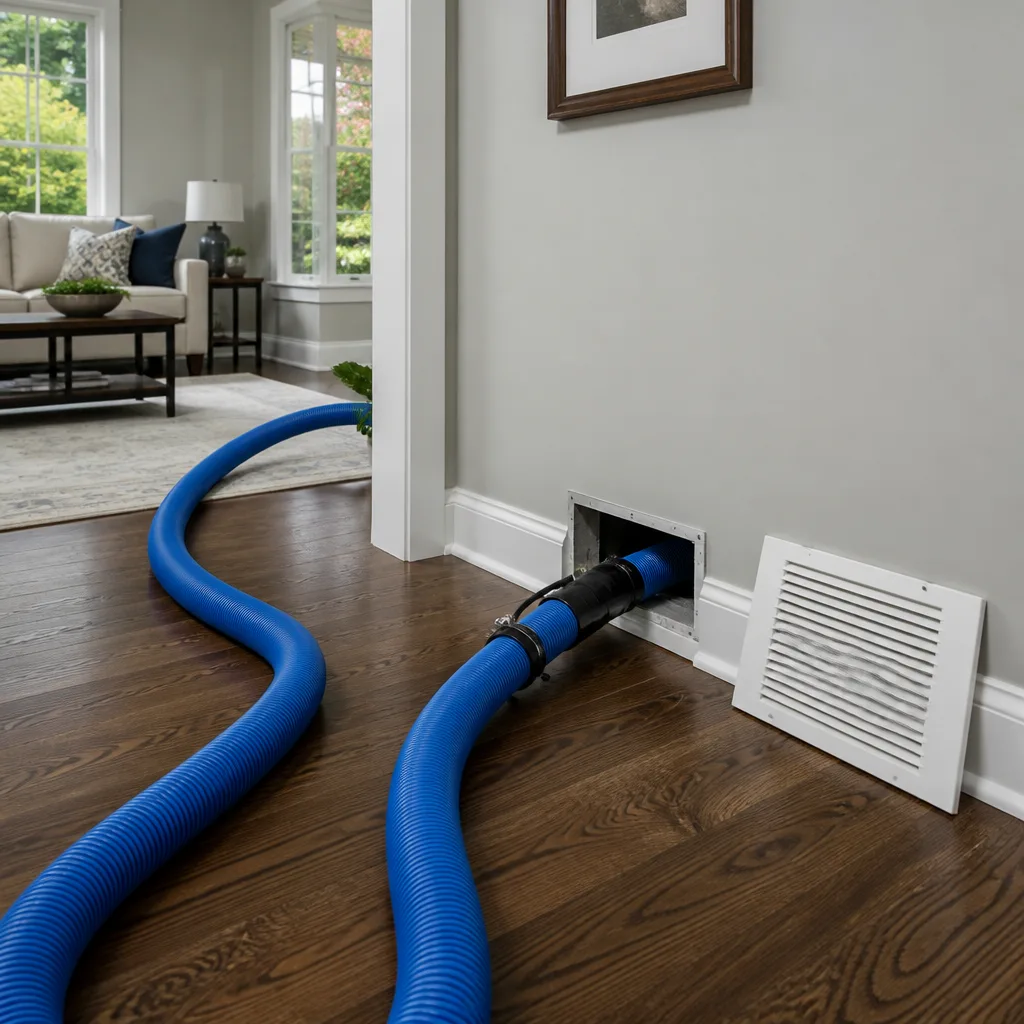 Whole-home duct cleaning
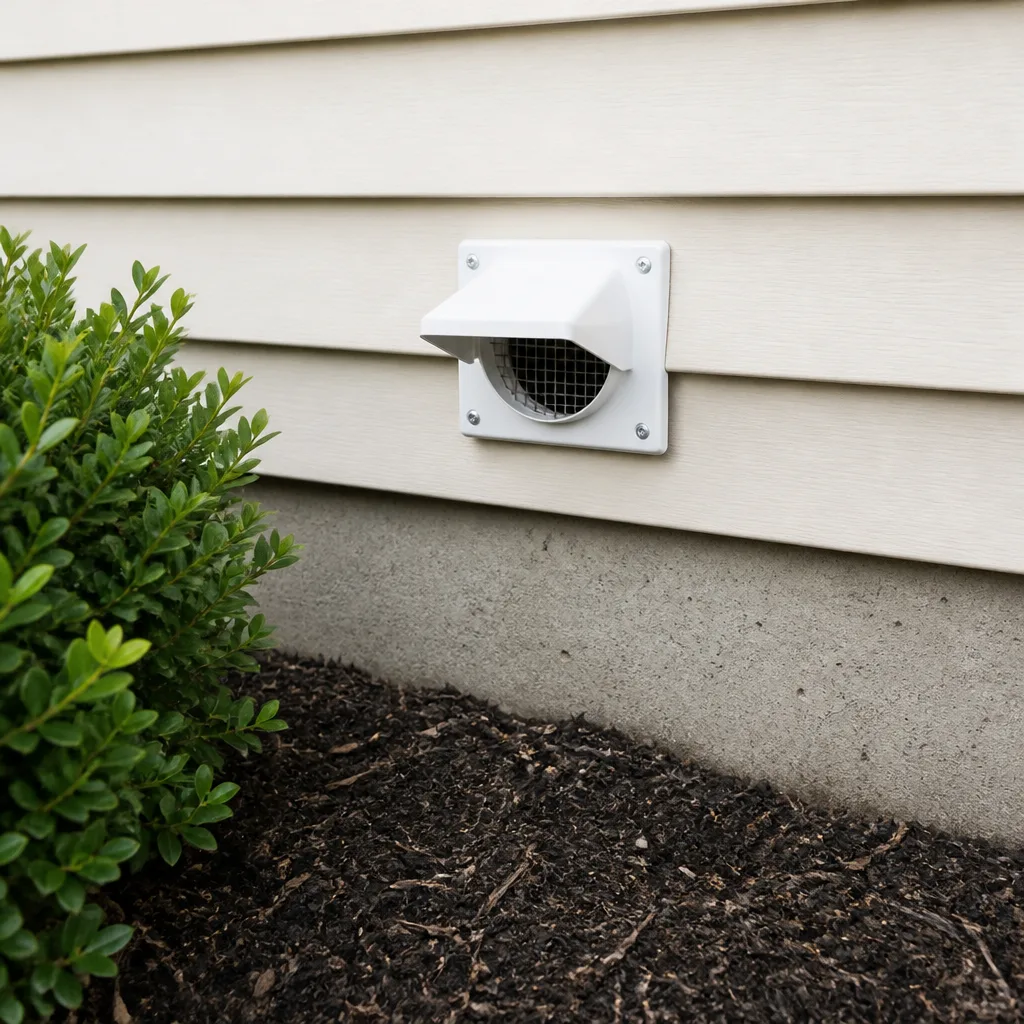 Dryer vent cleaning
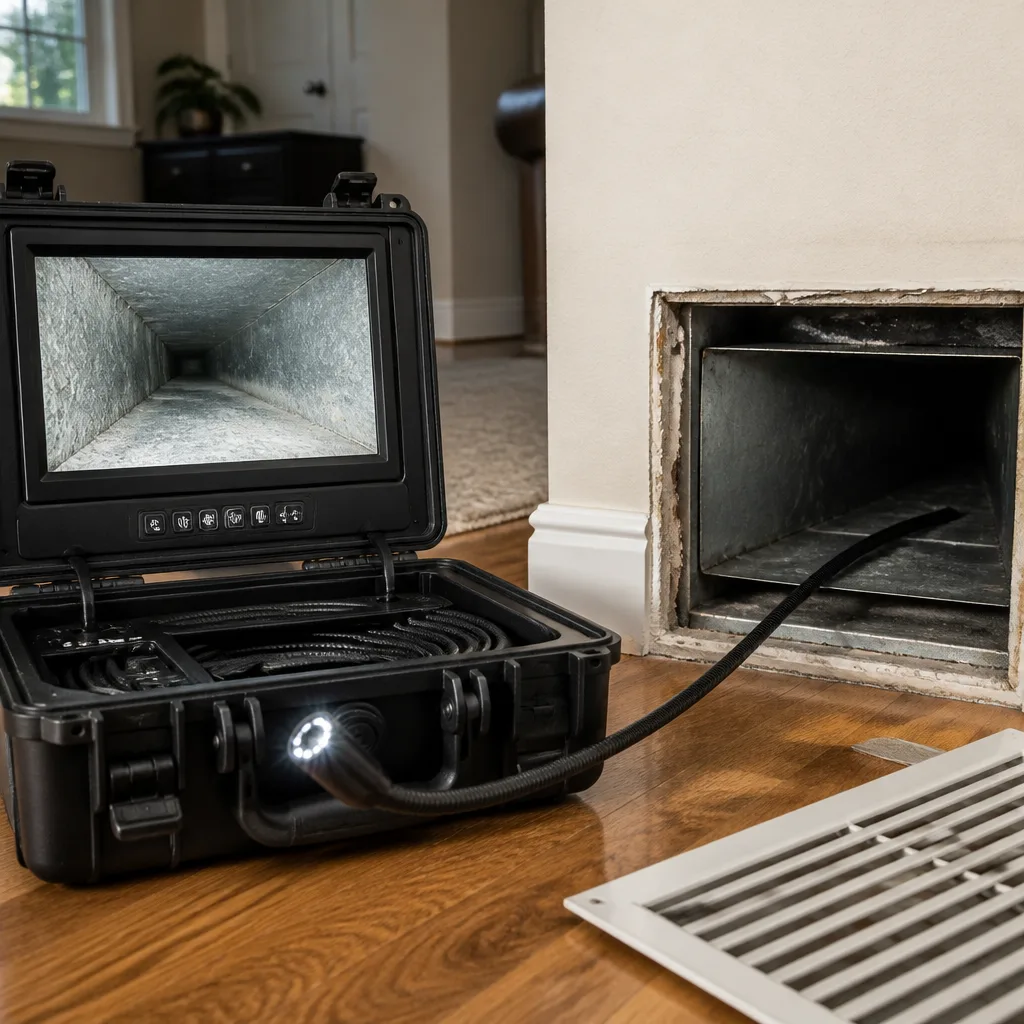 Camera inspection
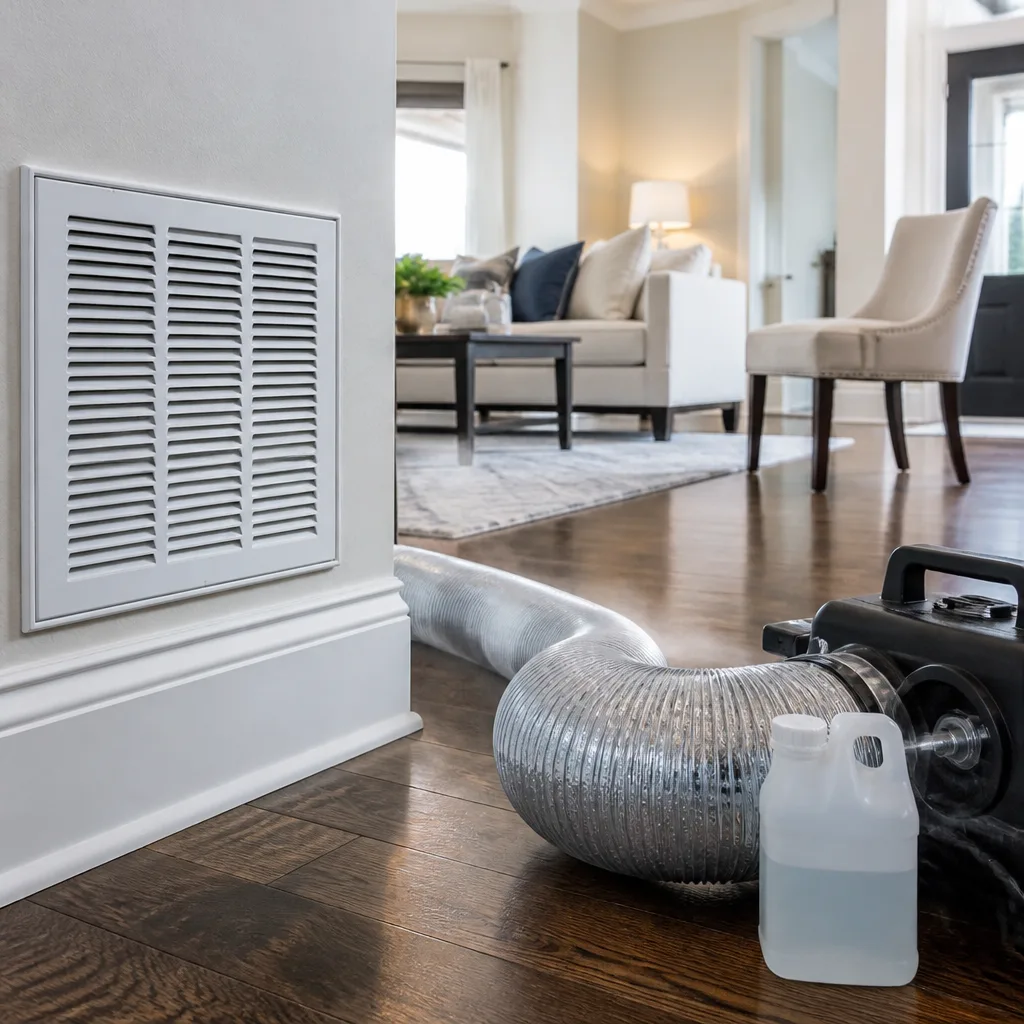 Sanitizing & deodorizing
Whole-system duct and dryer vent check with before-and-after photos - you see exactly what came out of your vents
That "$99 whole-house special" is a bait ad - the real number appears once they are in your hallway, or the "clean" is a shop-vac at the register. We photograph the inside of your ducts before and after instead.
Air Duct Cleaning Troubleshooting in Corona: Common Problems and How to Fix Them
A dusty return vent and a dusty supply vent are not the same problem, but most guides treat them identically. One points to filter bypass; the other points to duct leakage or buildup past the filter. In Corona, where the inland heat kicks HVAC systems on for months at a stretch, that distinction matters more than most homeowners realize. This guide walks through the mechanical causes behind the symptoms you’re seeing, what you can check yourself at the registers, and which findings tell you it’s time to call a specialist who treats ductwork as the core job, not an add-on.
Quick Answer
Most duct problems in Corona map to one of three failure points: a filtration issue, a duct leakage issue, or an internal contamination issue. The fix differs for each. You can diagnose which one you’re dealing with by checking where dust appears, how airflow feels, and whether odors come and go with the HVAC cycle. That diagnosis tells you whether you need a cleaning, a repair, or both.
Styles & brands we work with
- Whole-home duct cleaning
- Dryer vent cleaning
- Camera inspection
- Sanitizing & deodorizing
Table of Contents
- Dust at the Registers: Where It Shows Up Tells You Where the Problem Is
- Musty Odor After HVAC Startup: Three Different Causes, Three Different Fixes
- Uneven Room Airflow: Restriction, Collapse, or Damper Problem
- Visual Checks You Can Do Before Scheduling a Cleaning
- Why Problems Recur After Cleaning: The Recontamination Reality
- How Professional Duct Cleaning Actually Works in Corona
- Dryer Vent Problems Are Duct Problems Too
- When Duct Repair Beats Duct Cleaning
Dust at the Registers: Where It Shows Up Tells You Where the Problem Is
Dust doesn’t settle randomly. It follows airflow. That’s why the pattern of dust in your home is the most useful diagnostic clue you have. In Corona, where the Santa Ana winds push fine particulate through every crack in a house, the distinction becomes even more visible.
If you’re seeing dust build up primarily on the return grille and the wall around it, that’s a filtration problem. Air is being pulled toward the return, and if the filter is old, the wrong size, or a low-MERV fiberglass panel, fine dust slips past and re-enters the supply side. The ductwork itself may be reasonably clean. What’s failing is the filter’s ability to do its job. The fix starts with upgrading filtration. Products from Honeywell and Aprilaire, the two brands we work with most often in Corona, make a measurable difference when installed correctly. A filter upgrade alone won’t clean contaminated ducts, but it will stop the return from acting like a lint trap.
If dust is showing up at supply vents, the registers that blow air into rooms, that points somewhere else. Air that has passed through the filter should be clean when it exits the supply register. Dust there means either the filter isn’t seated properly and air is bypassing around it, or the ductwork past the filter has a breach, or there’s enough internal buildup that air is picking up debris on its way through. That’s when a real air duct cleaning becomes the conversation, because you’re dealing with contamination inside the system, not just a filter that needs swapping.
The quick test: run the system for twenty minutes, then run your finger across the inside of a supply register. A light gray film that smears means fine dust. Gritty, sandy particles suggest something closer to construction debris or degraded duct liner. Both are worth addressing, but they indicate different levels of contamination. In Corona’s dry climate, that fine dust gets pulled in through window seals and under door sweeps, so don’t be surprised if buildup accumulates faster than you expect. The fix is a cleaning that reaches the full length of the trunk line and branch runs, not just the first few feet inside a register.
Musty Odor After HVAC Startup: Three Different Causes, Three Different Fixes
That smell that hits when the system first kicks on is one of the most common complaints in Corona, especially when a system has been off for a stretch. The culprit isn’t always what people assume, and the fix differs depending on where the odor lives.
The first possibility is microbial growth on the evaporator coil. The coil sits above the furnace or inside the air handler. It gets cold when the AC runs, condensation forms, and in Corona’s summer heat the coil never fully dries out between cycles. If the coil has a film of dust on it, that moisture plus dust plus darkness equals growth. The fix here isn’t duct cleaning alone. The coil needs to be cleaned, and in some cases the drain pan and drain line need attention too. If you clean the ducts but leave the coil fouled, the odor returns within weeks. Ask specifically whether the contractor plans to address the coil. If they don’t mention it, that’s a red flag.
The second possibility is contamination inside flexible duct segments. Flex duct has an inner liner, and if that liner was damaged or if moisture found its way inside, the liner itself can support growth. You can’t fix that by brushing the outside. The affected flex run often needs replacement. That’s a repair issue, not a cleaning issue. In Corona’s older tracts, where flex duct has been in place since the original build, this is more common than homeowners expect. We see it regularly on systems that have never been serviced.
The third is contamination in the plenums. The supply plenum sits right off the air handler, and the return plenum pulls air back from the house. Both are enclosed metal boxes that rarely get looked at. If drywall dust from a Corona remodel or pet dander has accumulated in a plenum and moisture got in, the odor lives there. A thorough cleaning of the plenums, not just the branch runs, is the answer. This is where equipment matters. Our Rotobrush and Nikro systems are built to reach and agitate inside plenums, not just push a camera around. A shop-vac at a register won’t touch it.
We take containment seriously during this work. Abatement Technologies negative-air equipment means contaminants removed from ducts leave the home through HEPA-filtered exhaust rather than being stirred up and recirculated through the living space. That standard matters when you’re dealing with microbial contamination, because the last thing you want is to aerosolize the problem while trying to fix it.
Uneven Room Airflow: Restriction, Collapse, or Damper Problem
A room that’s consistently warmer than the rest of the house in Corona summer is frustrating. The cause is always a restriction somewhere between the air handler and the register, but not all restrictions are created equal. Knowing which one you have determines whether cleaning will solve it or whether you’re looking at a repair.
A restriction cleanable by brushing is the simplest scenario. Duct interiors accrue a layer of dust and debris, and over time that layer narrows the effective diameter of the run. It’s most common in trunk lines and in branch runs closest to the air handler, where air velocity is highest and debris gets driven into the walls of the duct. A professional cleaning with rotating brushes from Rotobrush or Nikro equipment removes that layer and restores airflow. This is a cleaning problem, and it responds to cleaning.
A collapsed flex duct segment is different. Flex duct relies on its internal spiral wire to stay open. If the wire breaks, the duct sags and kinks, choking off airflow to that room. No amount of brushing fixes a collapsed run. You replace the damaged segment. Duct Cleaning Corona handles this as part of our repair service, and we’ll tell you honestly which one you’re dealing with. The diagnostic difference is simple: a restricted run improves somewhat after cleaning, a collapsed run doesn’t improve at all, no matter how much you agitate the interior.
A damper problem is the third and most overlooked scenario. Branch dampers sit inside the supply runs near the trunk, and if one has fallen closed or been knocked out of position, no air gets to that room regardless of how clean the duct is. Dampers get moved during renovations, by kids playing in the attic, or just by vibration over the years. The check is straightforward: if airflow to a room is zero or nearly zero, and the duct itself is intact and clean, look at the damper. It’s a five-minute fix that should never be sold as a cleaning.
The takeaway: uneven airflow is not automatically a duct cleaning issue. It can be, but a competent contractor first identifies which of these three things is actually wrong. That’s the difference between a company that diagnoses and one that just runs brushes through every duct and hopes for the best.
Visual Checks You Can Do Before Scheduling a Cleaning
Before you call anyone, there are a handful of things you can look at yourself. None require tools beyond a flashlight and a screwdriver for removing register covers. These findings will make your conversation with a contractor much more productive.
- Check the return grille for heavy buildup. Remove the grille. If there’s a thick gray mat on the back side, that’s the accumulation that has been pulled toward the filter. Record a photo. This tells you how long it’s been since the system was properly maintained. A light dusting is normal; a visible mat means the system has been running without adequate filtration for a while.
- Look inside the first few inches of a supply register. Use a flashlight. If the duct interior is coated with a layer that’s darker than the metal itself, that’s buildup that has been circulating past the filter. If you see peeling duct tape, gaps from disconnected segments, or daylight coming through a seam, you have a leakage issue. That’s a repair conversation, not a cleaning conversation.
- Inspect the filter for fit. A filter with a visible gap around its frame lets air bypass entirely. That’s the most common cause of dust on supply registers in Corona homes. If you can see light around the filter edge when the system is off, the filter isn’t seating. The fix can be as simple as a correctly sized filter or a proper filter rack.
- Check registers in unused rooms. If you leave the door closed and the register half-shut in a spare bedroom, that room still gets air pushed into it, and without any exhaust path the pressure differential changes. The register builds up dust faster. This is a usage pattern issue, not a system problem. Note it so you don’t over-diagnose.
- Look at the area around supply registers on the ceiling or wall. Dark streaking around the register frame, known as ghosting, happens when air leaks at the register boot and carries fine dust that deposits on the adjacent surface. It tells you two things: the register isn’t sealed well, and the air moving past it is dirty enough to leave a mark. Both are fixable, but the fix is sealing plus cleaning, not one or the other.
Write down what you find, including which rooms. When a contractor asks what you’re seeing, you’ll be able to tell them “the two furthest bedrooms have ghosting around the registers and the return grille has a heavy mat” instead of “the house is dusty.” That specificity changes the conversation. It tells the contractor you’ve looked, and it tells them they need to diagnose, not just upsell.
Why Problems Recur After Cleaning: The Recontamination Reality
One of the most frustrating things a homeowner can experience is paying for a professional cleaning, having things feel better for a few weeks, and then watching the dust come back. It makes people doubt the cleaning was done at all. In our experience in Corona, most recurrence comes from a specific mechanical cause, not a bad cleaning.
The most common culprit is an unsealed breach in the duct system. If there’s a disconnected segment, a loose boot, or a gap at a seam, the system pulls air from the attic or crawlspace every time it runs. That air is unfiltered. It carries whatever is in that space, dust, insulation fibers, rodent droppings, right into the supply stream. You can clean every interior surface perfectly, and within a month the breach will have re-deposited a layer of contamination throughout the system. The cleaning held; the ductwork didn’t. The fix is to find and seal the breach. We do that as part of our repair scope in Corona, because cleaning without sealing is just maintenance on a leaking system.
A second cause is filter bypass. If the filter doesn’t seal, air flows around it, and whatever the filter was supposed to catch goes straight into the ducts. A cleaning removes the existing contamination, but the bypass keeps feeding new material in. The fix here is a filter rack correction or a properly sized filter. This is basic, but it’s missed constantly. A third cause, less common but real in Corona’s climate, is moisture. If condensation forms inside a duct run because of inadequate insulation or a kinked flex segment, that moisture wets the dust that settles there, and the result is a sticky film that attracts more material. The fix is a repair to the duct itself, not another cleaning.
How to confirm a cleaning held 30 days later: do the same visual checks you did before the cleaning. Look at the supply registers. A light dust film after a month is normal, especially during Santa Ana season when everything in Corona gets a fine coating of dust. A heavy, dark accumulation that matches the pre-cleaning condition is not normal. Check the filter. If it’s loaded far sooner than its rating suggests, something is bypassing or leaking. Check the return grille. If the mat is back, the system is still pulling unfiltered air from somewhere. Those indicators tell you whether you need a sealing repair, not whether you need to yell at the last contractor.
This is a big part of why we run a cleaning with the idea that the job isn’t done until we’ve looked for breaches. Duct Cleaning Corona treats cleaning and repair as two parts of the same job, not two separate sales calls. That’s not how everyone operates, and it’s worth asking any contractor you’re considering how they handle a breach they find during a cleaning. The answer tells you a lot about whether you’re dealing with a maintenance company or a duct specialist.
How Professional Duct Cleaning Actually Works in Corona
Understanding the process demystifies the service and helps you evaluate whether a company is using real equipment or a workaround. When we clean a system in Duct Cleaning Corona, the job is more than brushing.
We start with containment. Abatement Technologies negative-air equipment is set up so that the section of duct being cleaned is under negative pressure. That means air, and everything kicked loose by the cleaning, is pulled toward the vacuum and exhausted through HEPA filtration, not blown through the house. You can clean a duct without containment, and plenty of companies do, but without it you’re just moving the dust around rather than removing it. Negative-air containment is the standard in remediation work, and we apply the same standard to our air duct cleaning in Corona because the goal is to leave the house cleaner than we found it, not trade duct dust for living room dust.
The agitation of the duct walls is done with Rotobrush and Nikro systems. These are purpose-built machines with rotating brushes that mechanically separate the built-up layer from the duct surface, not just a vacuum hose poked into a register. The combination of agitation and negative air is what makes the difference between a cleaning that removes material and one that just disturbs the top layer. We use Guardsman-grade cleaning products where appropriate, professional formulations rather than consumer shelf substitutes.
After the cleaning, we inspect. We look at the same points a homeowner would look at, and we look deeper: the trunk line, the plenums, the branch runs. If we find a breach, a collapsed segment, or a damper that’s failed, we tell you. That’s the repair conversation, and it’s a conversation most duct cleaners can’t have because they don’t do repair work. We clean it, and if it’s broken, we fix it. That’s the whole approach in one sentence.
Dryer Vent Problems Are Duct Problems Too
Dryer vents are the forgotten duct. They run from the back of the dryer to an exterior termination, and they collect lint. In Corona’s dry air, that lint is exceptionally flammable. The vent is not a maintenance checkbox; it’s a fire safety system.
But the symptoms of a clogged dryer vent are often misread. Clothes taking too long to dry. A burning smell when the dryer runs. The dryer exterior getting unusually hot. Lint visible at the exterior termination. These all point to airflow restriction in the vent, and a restriction in a dryer vent is a different animal than a restriction in an HVAC duct. The material is lint, which is fine and highly combustible. The airflow is hotter and more concentrated. And the vent run is often longer, with more bends, especially in Corona homes where the laundry is in a hallway closet and the vent has to travel through an attic or along a wall to reach the outside.
We treat dryer vent cleaning as its own service, with its own process and its own equipment. Not a footnote added onto a duct cleaning quote. The vent gets brushed the full length, from the dryer connection to the exterior termination, and the termination itself gets checked. Bird nests, damaged flappers, and improper terminations are all common findings in Corona, and all of them are fixable. If the vent is disconnected inside the wall or ceiling, that’s a repair issue, and we do that too.
Dryer vent cleaning is the highest-ROI service most Corona homeowners buy, because the cost of cleaning is trivial compared to the cost of a laundry room fire. The National Fire Protection Association has consistently identified clothes dryers as a leading cause of residential fires, and the leading cause of those fires is failure to clean the vent. Don’t treat the dryer vent as an afterthought. It’s the most dangerous duct in the house.
When Duct Repair Beats Duct Cleaning
Not every duct problem is a cleaning problem. Some are repair problems that cleaning can’t touch. Knowing which is which saves you money and frustration.
The clearest case is a disconnected or separated duct segment. If air is blowing into the attic or crawlspace because a run has come apart, cleaning the interior surfaces won’t capture any of that air loss. The segment needs reconnected and sealed. This is common in Corona homes where the original duct installation used duct tape, which dries out and fails over time. A second case is collapsed flex duct, which we covered in the airflow section. A third is a compromised plenum, where the metal box itself has started to come apart or has a hole. A fourth is a dryer vent that has come disconnected inside a wall cavity, which directs hot moist air into the building frame and can cause real damage over time.
We’ve built our Corona repair service to handle these findings during a cleaning visit. That’s the point of having repair as a standalone scope. If you call a duct cleaner and they find a disconnected run, they’ll either ignore it or tell you to call an HVAC company. If you call us, the same visit that identified the problem is the visit that fixes it. The hose comes out, the tools come out, and the system gets set right. Some jobs are clean, some are repair, and most are a little of both. The estimate is written so you know which parts are which before work starts.
Common Mistakes to Avoid
- Calling a cleaning when the filter is the problem. If the filter is bypassing or undersized, no cleaning will last. Fix the filter first, then evaluate whether you still need the cleaning. A lot of Corona homeowners call us for exactly this, and the honest answer is often “start with the filter.”
- Assuming every uneven room is a duct restriction. Dampers and collapsed flex runs cause the same symptom but need different fixes. Pay attention to whether airflow is weak or absent, and whether adjacent rooms feel the same.
- Ignoring the dryer vent because the clothes still dry. A vent can be 80% restricted and still push enough air to tumble clothes. The restriction is building heat and lint load that you can’t see from inside the house.
- Accepting a cleaning that doesn’t include containment. If the contractor isn’t using negative-air equipment, the dust they kick loose is staying in your home. In Corona’s dry season, that dust hangs in the air for days.
- Cleaning without sealing. A breach in the duct system will recontaminate the entire system within weeks. Any cleaning should include an inspection for breaches, and the conversation should cover sealing if breaches are found.
- Trusting the lowest quote without asking what it includes. Duct cleaning pricing varies wildly, and the low bid is often a teaser for exactly the work this guide has been explaining how to avoid needing. Ask what equipment is used, whether containment is included, and what happens if they find a breach.
- Putting off the job because the system “works.” Most duct problems are silent. The system runs, the air moves, and the contamination builds. By the time a symptom shows up, the buildup is usually significant. That’s the case for an inspection before things get visible.
See the difference
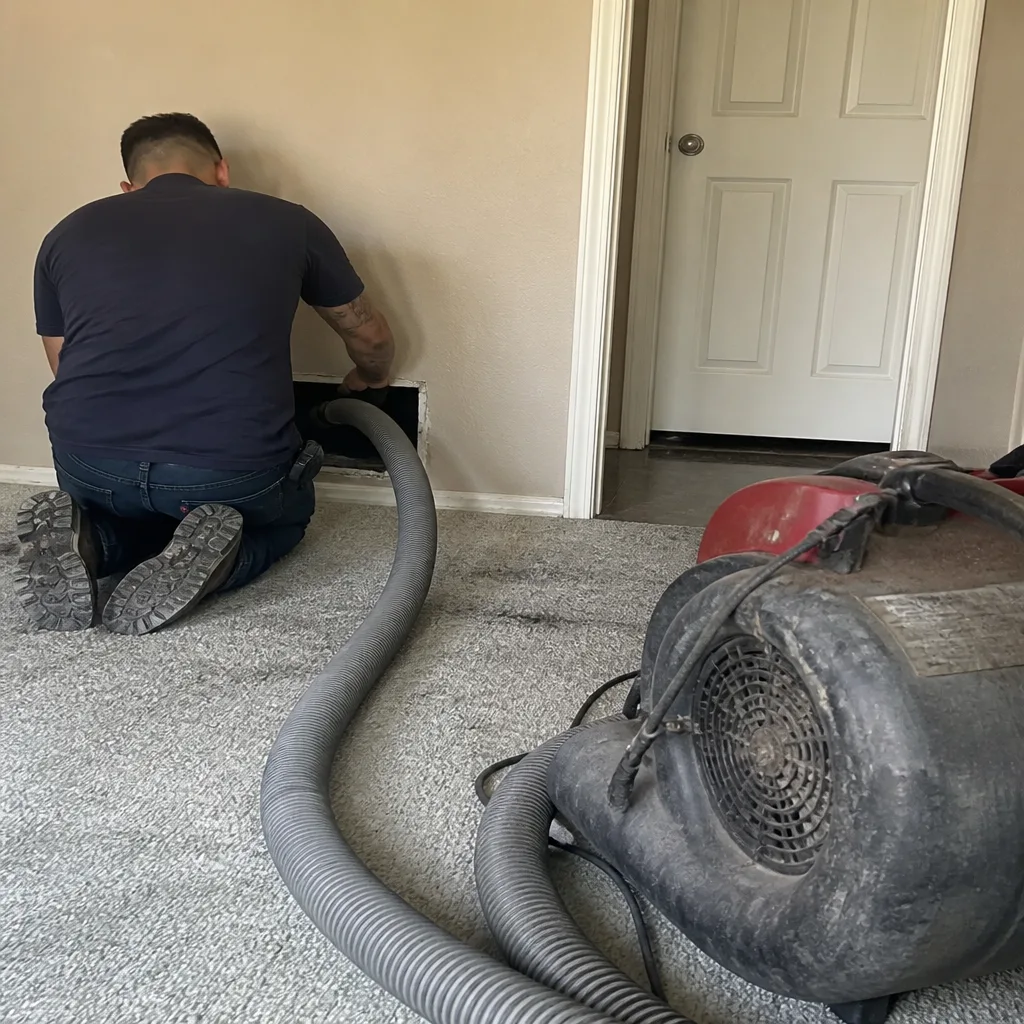 Before
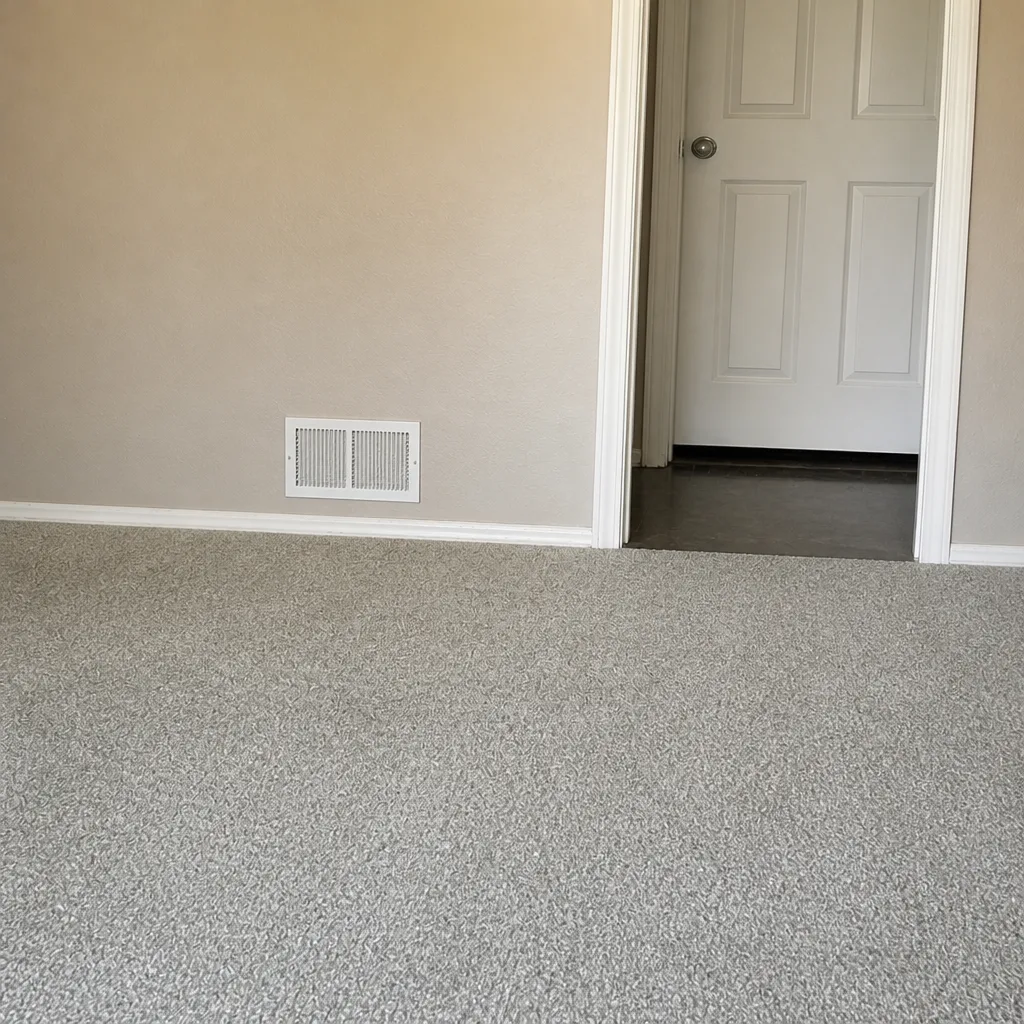 After
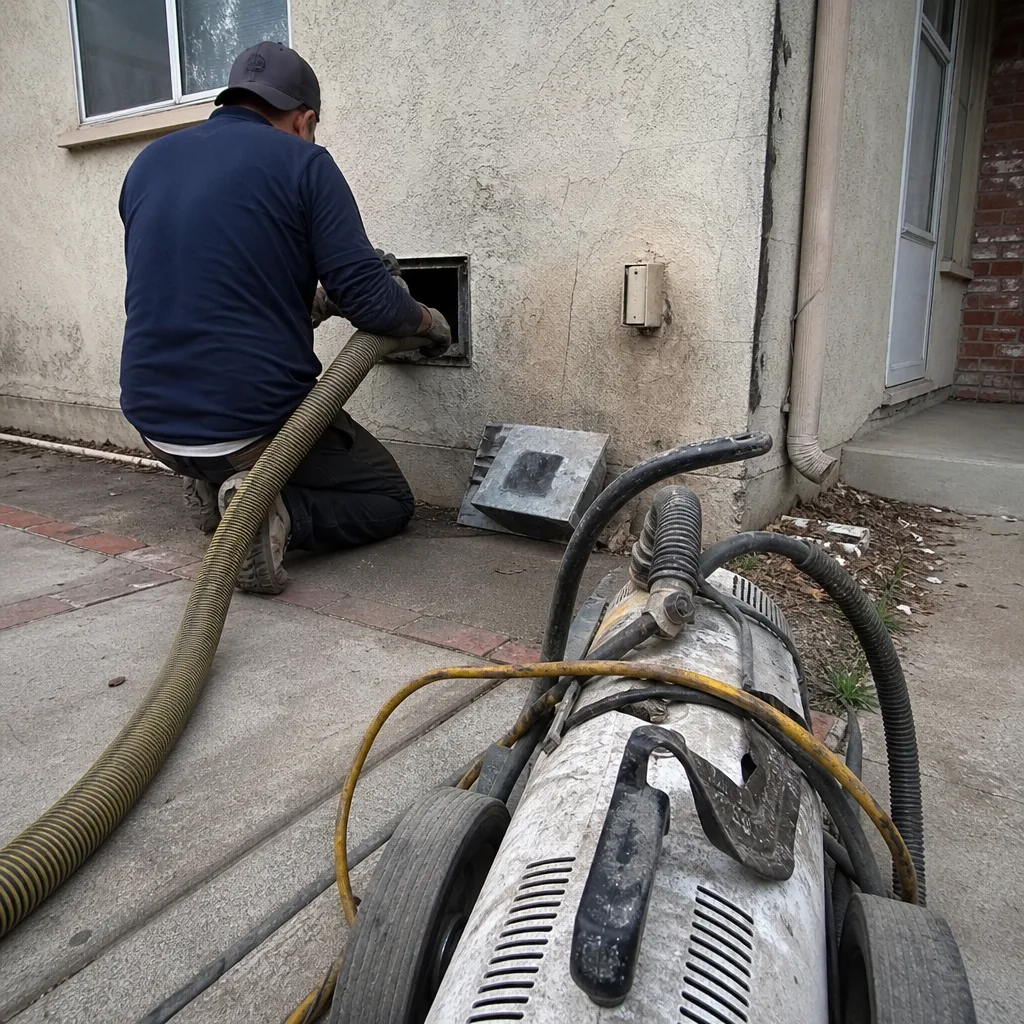 Before
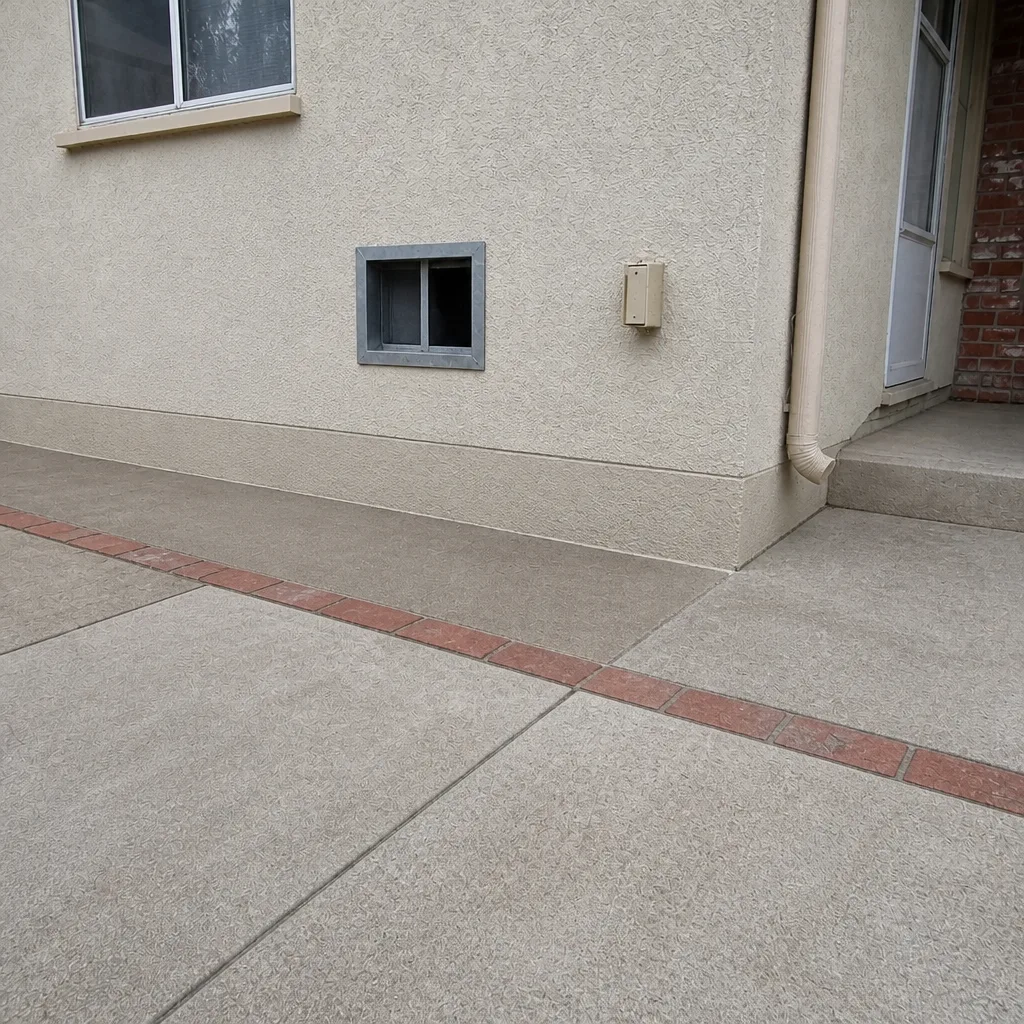 After
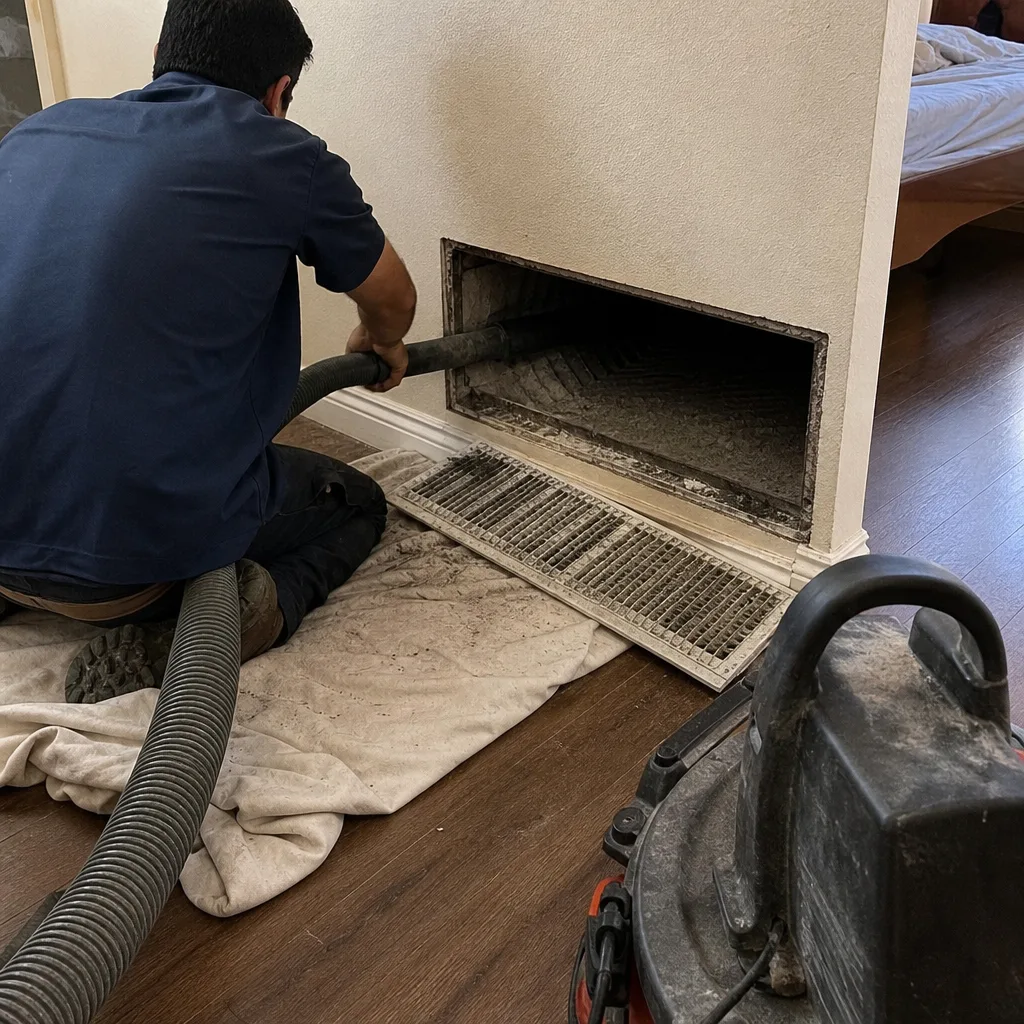 Before
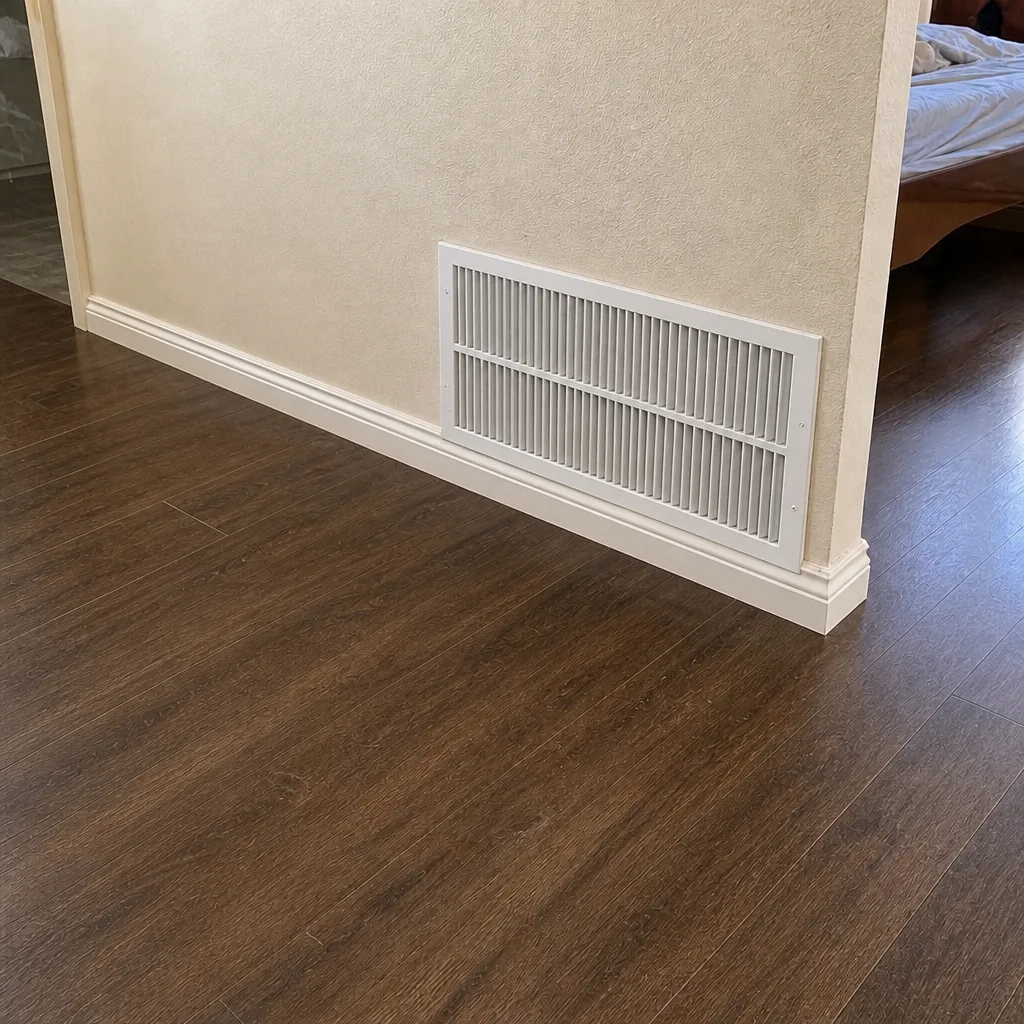 After
When to Call a Professional
Call when you’ve done the visual checks and the findings point somewhere you can’t reach. A heavy mat on a return grille you can’t remove. Dust appearing at supply registers even after a filter change. Musty odor that comes and goes with the system. A room that has been warm for years and no amount of vent fiddling changes it. A dryer that runs two cycles to dry one load. These are all situations where the problem is inside the duct system, and the next step is an inspection, not another YouTube video. Duct Cleaning Corona offers free estimates in Corona. Call (855) 923-0983. We answer 24/7. Fast dispatch from 7am to 7pm, Sunday through Friday. We’ll send someone who can diagnose what’s wrong, clean what needs cleaned, and repair what needs repaired, all in one visit.
Frequently Asked Questions
Whole-system duct cleaning in Corona typically runs between $400 and $1,200 depending on home size, system accessibility, and the level of contamination. The written estimate sets the final price before work begins. Free estimates keep the conversation honest. Call (855) 923-0983 for a specific quote on your system.
Look at the return grille and the supply registers. A heavy mat on the return suggests a filtration problem, while dust at supply registers suggests contamination past the filter or a duct breach. A contractor who jumps straight to cleaning without looking for breaches is guessing. The visual checks in this guide take ten minutes and tell you a lot about which conversation to have.
If the odor is coming from the evaporator coil, flex duct liner, or a plenum, cleaning the ducts alone doesn’t remove the source. The coil needs cleaning, the contaminated flex run needs replacement, or the plenum needs interior agitation and HEPA extraction. Ask your contractor specifically where the odor lives before you sign anything.
Every 3 to 5 years is a reasonable interval for most Corona homes, more often if you have pets, live near open land where dust blows through, or have done recent remodeling. Homes with a properly seated, high-MERV filter can stretch further. The 30-day checks in this guide will tell you whether your interval should be shorter.
A cheap cleaning is often a vacuum at the registers with no containment and no meaningful agitation. Material stays in the duct. A professional cleaning uses negative-air containment and rotating brush agitation to remove material from the full length of the system. Abatement Technologies containment and Rotobrush or Nikro agitation is the standard we work to, and it’s the standard you should ask about.
Yes. Duct Cleaning Corona runs cleaning and repair as separate scopes, but both happen in the same visit when findings warrant. Disconnected segments, collapsed flex runs, and failed dampers get identified during the cleaning inspection and fixed on the spot. That’s the point of having repair capability in a duct cleaning company. Call (855) 923-0983 for a free estimate.
The Bottom Line
Most duct problems in Corona are diagnosable before anyone steps foot in the house. Dust patterns tell you where the failure is. Odors tell you where the moisture or growth lives. Airflow tells you whether you’re dealing with buildup, a collapse, or a damper. The visual checks take ten minutes, and the findings make you a smarter buyer. When you do call, call a contractor who treats ductwork as the core craft, uses professional-grade equipment, and can repair what they find. The estimate is free. The diagnosis is the value. The cleaning and repair is the fix.
Written by the team at Duct Cleaning Corona, serving Corona since 2012.