
Last updated November 5, 2026
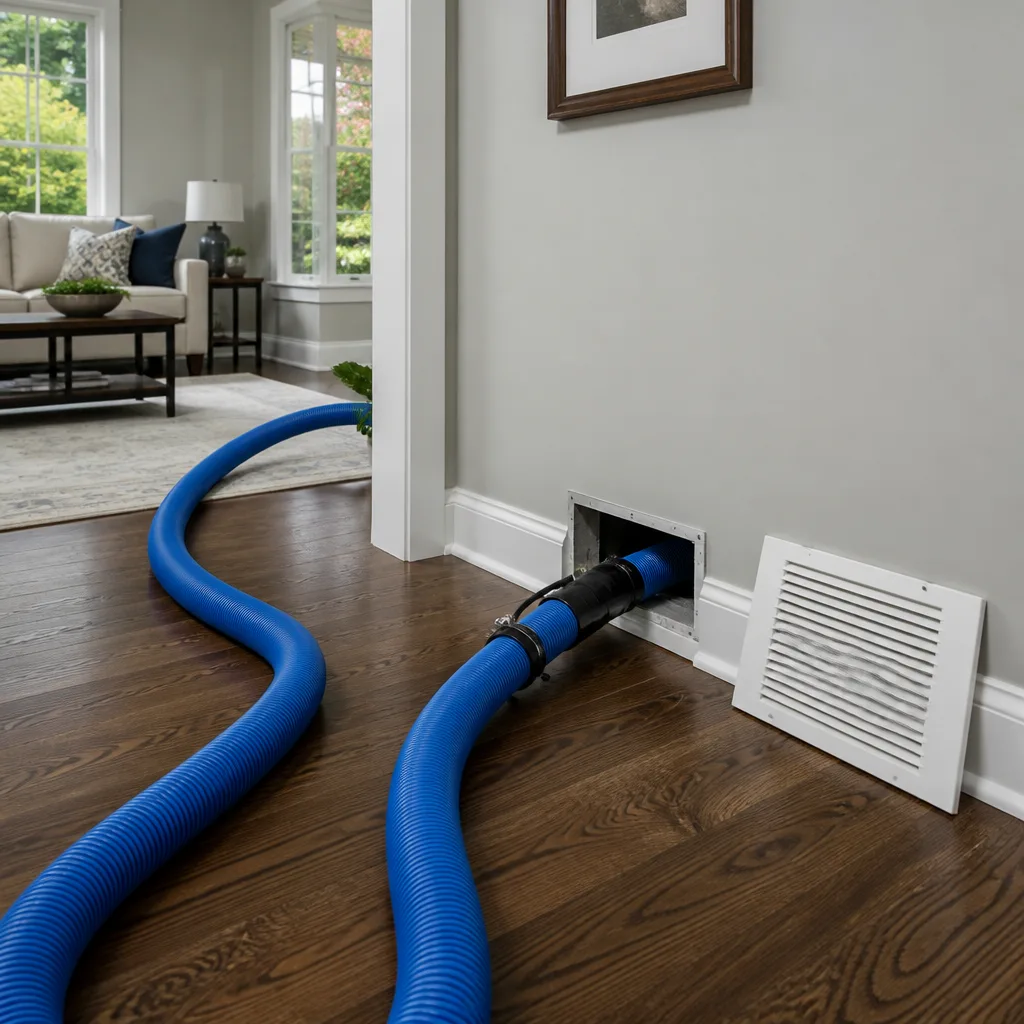 Whole-home duct cleaning
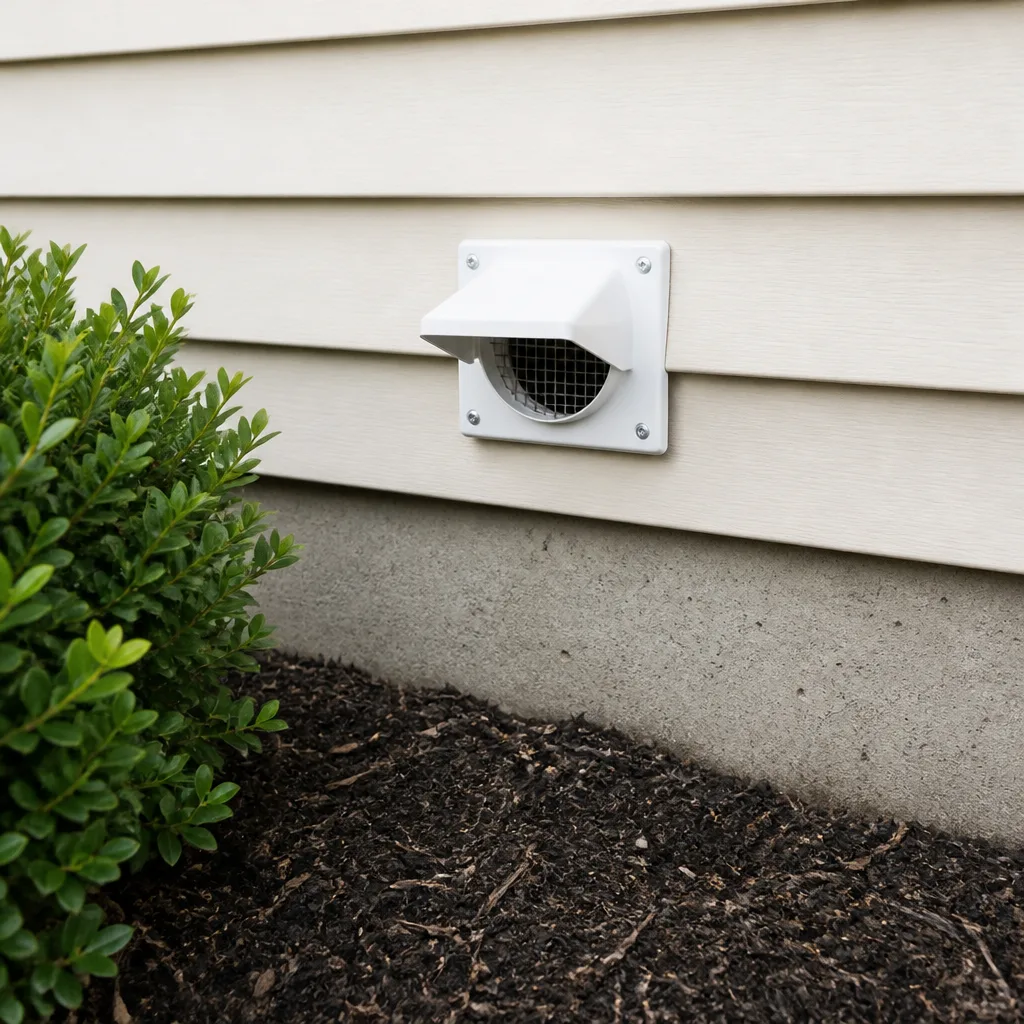 Dryer vent cleaning
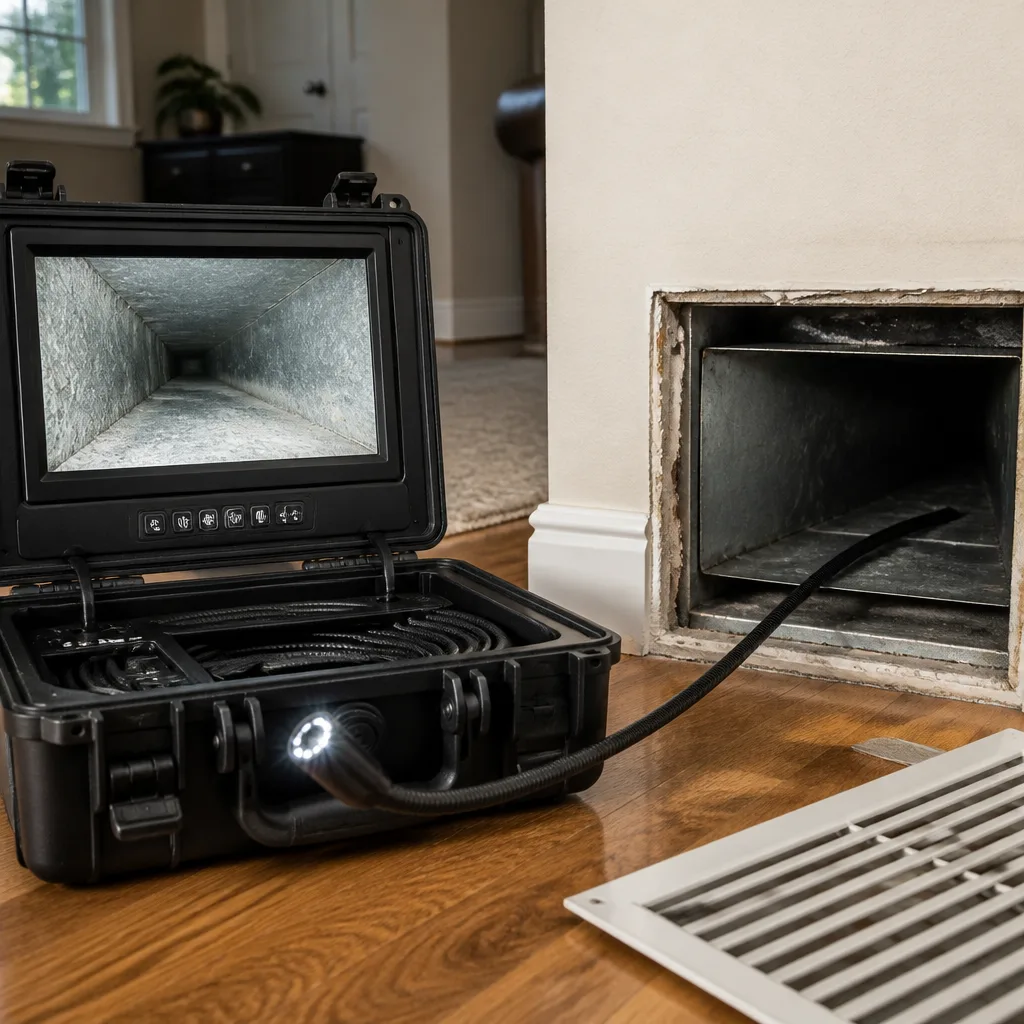 Camera inspection
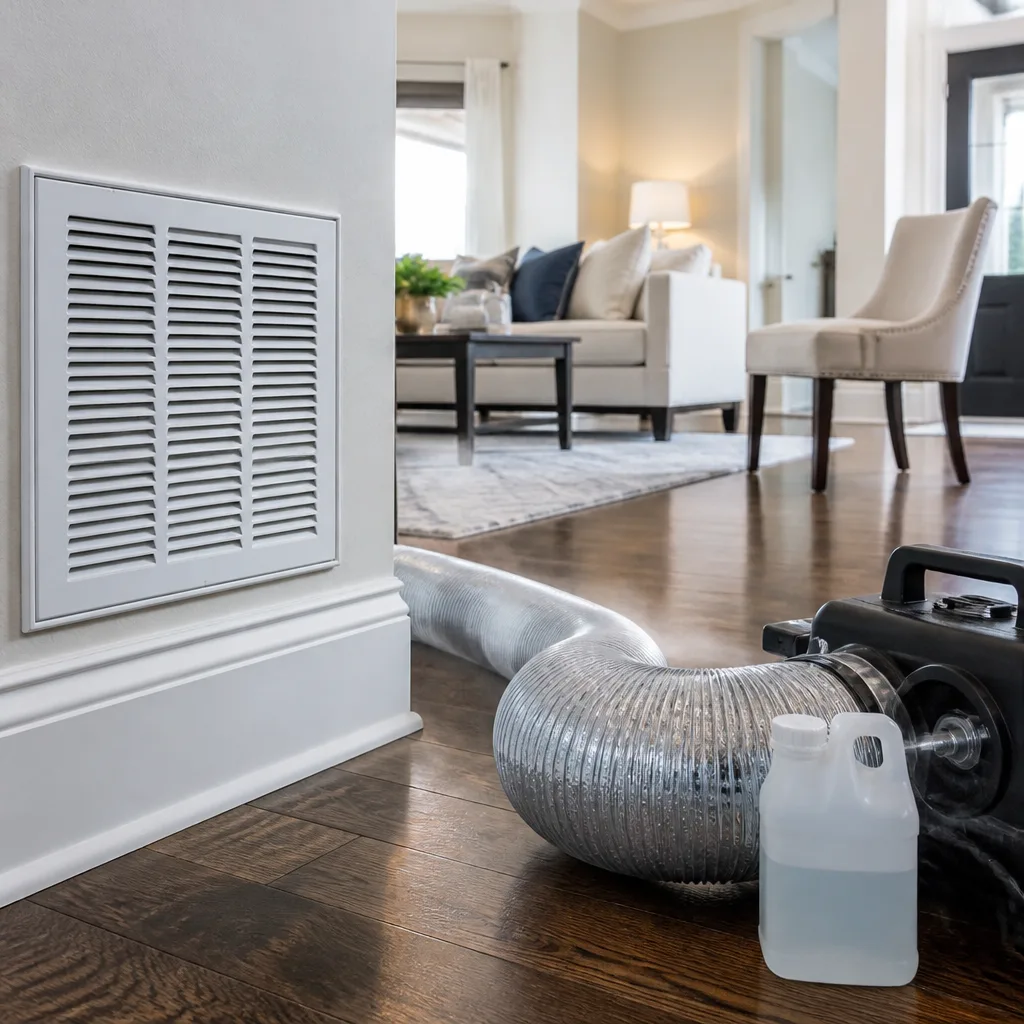 Sanitizing & deodorizing
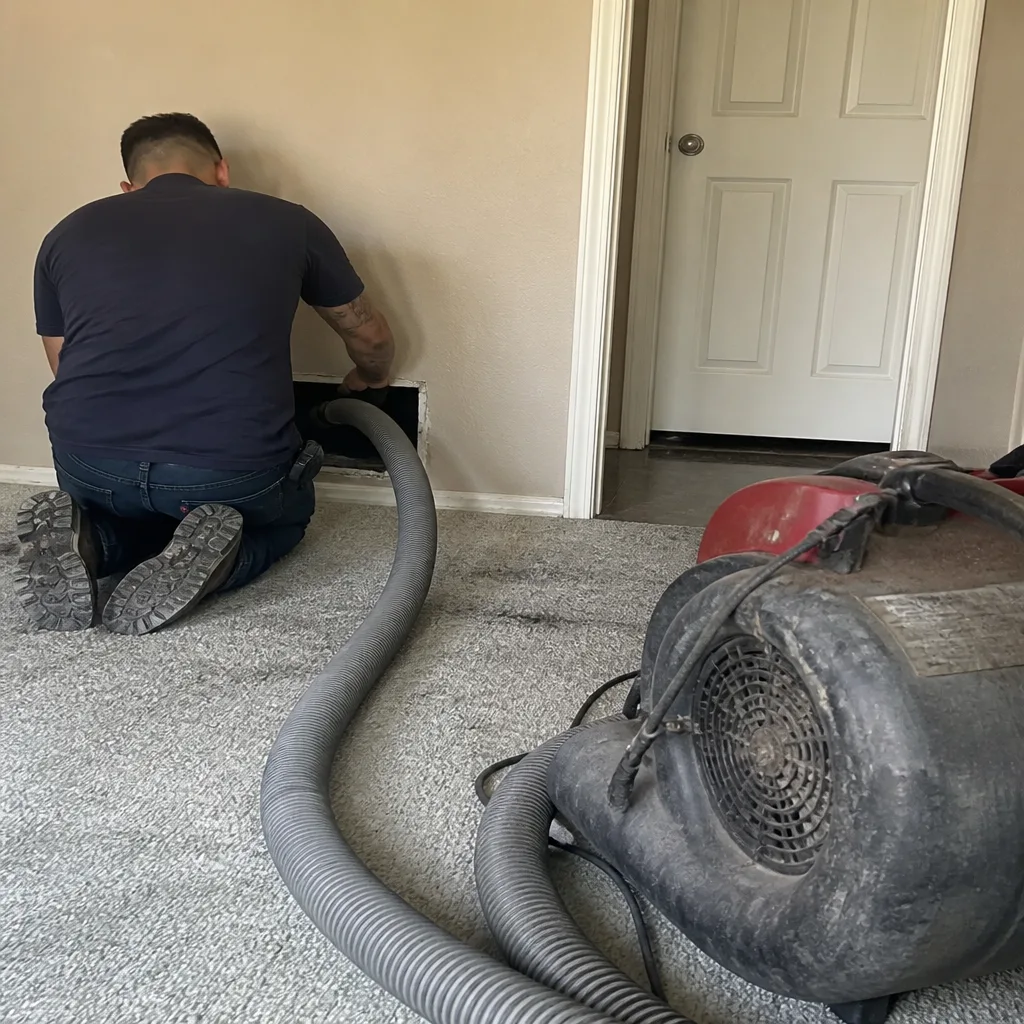
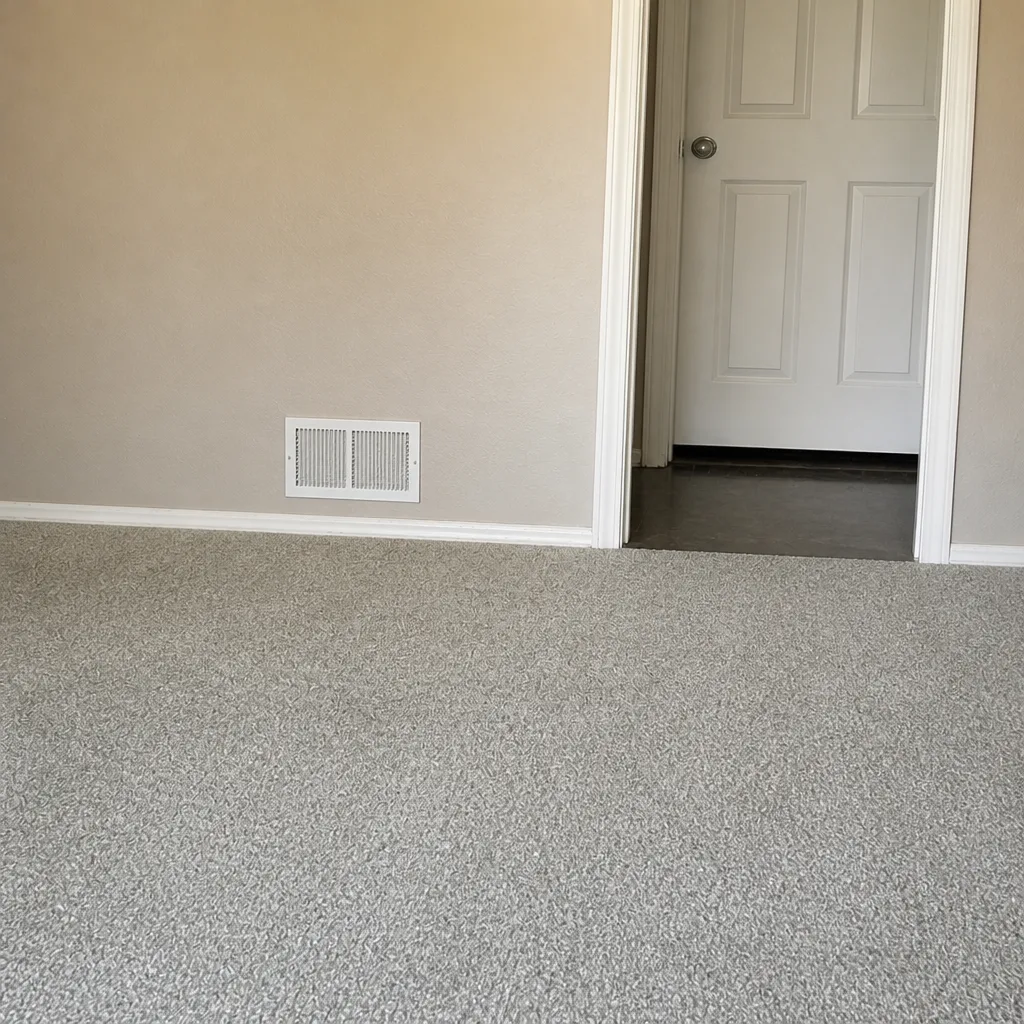
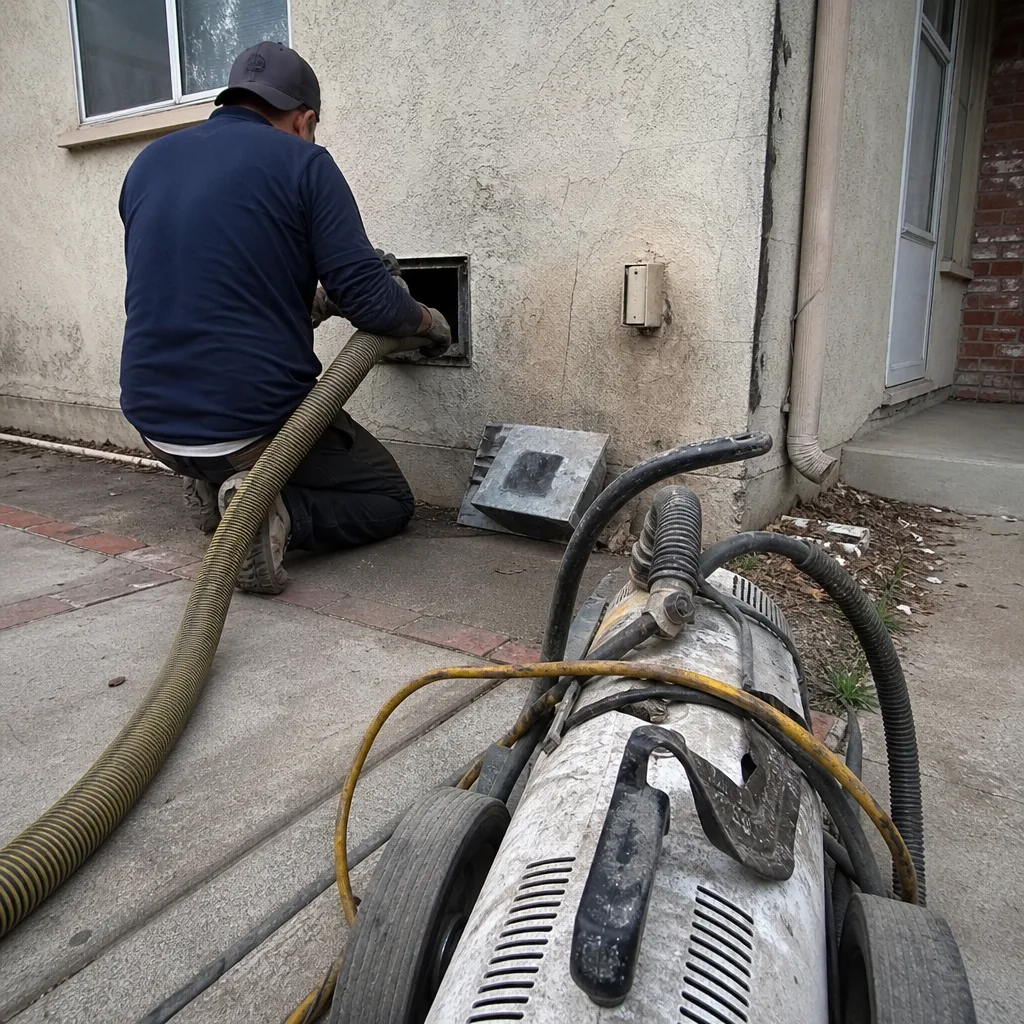
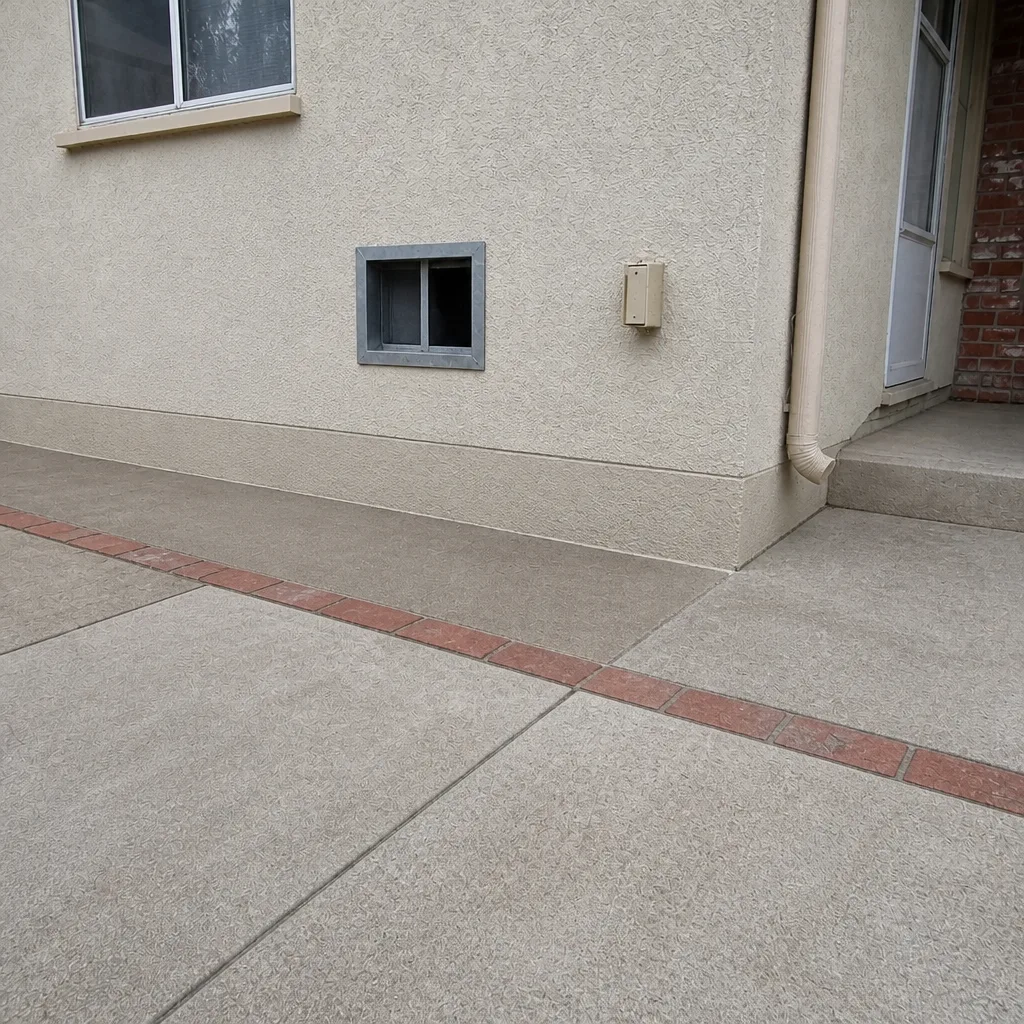
Whole-system duct and dryer vent check with before-and-after photos - you see exactly what came out of your vents
That "$99 whole-house special" is a bait ad - the real number appears once they are in your hallway, or the "clean" is a shop-vac at the register. We photograph the inside of your ducts before and after instead.
Air Duct Cleaning Warning Signs: A Corona Homeowner’s Reference Guide
Most articles about duct cleaning warning signs read like a grocery list of symptoms: dust on registers, allergies acting up, weird smells. The problem is, those symptoms overlap with a dozen other mechanical issues, and treating them all with duct cleaning is how homeowners in Corona end up paying for a service that doesn’t fix the underlying problem. This guide maps specific, observable indicators to their actual mechanical causes, so you can identify what’s wrong before a technician arrives and have an informed conversation about whether cleaning is the right call, or whether something deeper needs attention.
Quick Answer
The clearest warning signs that you need air duct cleaning in Corona are visible dust accumulation around supply registers despite a clean filter, airflow that’s noticeably weaker in one or two rooms than the rest of the house, and a persistent musty odor that strengthens when the system runs. Less obvious but equally important signs include fibrous clumps (not fine powder) at registers, which indicate failing flex duct insulation, and a burning smell when the heat first kicks on, which points to debris on the heat exchanger rather than dirty ducts alone.
Styles & brands we work with
- Whole-home duct cleaning
- Dryer vent cleaning
- Camera inspection
- Sanitizing & deodorizing
Table of Contents
- Register Dust: What It Actually Tells You
- Airflow Imbalance Between Rooms
- Odor Identification: Musty vs. Burning vs. Chemical
- Dirty Ducts vs. Dirty Coil: Two Different Problems
- Warning Signs Specific to Older Corona Homes
- When the Duct Itself Is Damaged
- Common Mistakes to Avoid
- When to Call a Professional
- Frequently Asked Questions
- The Bottom Line
Register Dust: What It Actually Tells You
Dust on your registers does not mean your ducts are dirty. It usually means your filter is undersized or bypassing, and cleaning the ducts without addressing the filter will reproduce the same dust in about 60 days. In our experience across Corona, this is the single most common misdiagnosis we encounter.
The useful information is in the dust itself. What you see at the register is a diagnostic tool:
- Fine gray film: This is almost always filter bypass. Air is moving around the filter’s edges or through gaps in the filter slot, carrying fine particulate into the supply side. The fix starts with a properly seated, correctly sized filter, not a duct cleaning.
- Fibrous clumps: Small gray or pinkish fibers that ball up rather than powder suggest insulation degradation inside flex duct. The inner liner of flexible ductwork can deteriorate over time, especially in attics with the temperature swings common in Corona, and those fibers get pushed through the system. Cleaning removes the loose material, but the damaged duct section needs repair or replacement.
- Oily black residue: This is combustion byproduct infiltration, and it deserves immediate attention. It typically travels from an attached garage, a water heater closet, or an exterior vent opening. Before cleaning anything, the source of the infiltration has to be identified and sealed.
- Heavy gray buildup with visible particle size variation: When you see construction debris, drywall dust, or visible sand grains mixed with household dust, the ducts have accumulated material over a long period or during renovation work. This is the clearest candidate for professional air duct cleaning.
The diagnostic value here is simple: describing the dust type accurately over the phone helps a technician bring the right scope to the first visit instead of discovering problems mid-job.
Airflow Imbalance Between Rooms
When one bedroom in Corona stays warm in August while the hallway blows cold, homeowners often assume the ducts are dirty. Sometimes they are. Often, the issue is a duct restriction that cleaning may or may not resolve, and knowing how to do a simple room-to-room pressure check will tell you a lot before anyone shows up.
Here’s the basic method, no equipment required:
- Close all exterior doors and windows throughout the house.
- Turn the system fan to “on” at the thermostat rather than “auto,” so air circulates continuously.
- Walk the house and hold the back of your hand near each supply register. Note which rooms feel noticeably weaker.
- In a weak room, close the door while the system runs and place your palm flat against the gap at the bottom of the door. Strong air pushing under the door means the supply is restricted, and the room is starved.
- Open a window in that room about an inch and recheck the supply. If airflow at the register improves, the room has a return problem: it cannot exhaust air fast enough to accept supply air.
What does this tell you? A supply restriction often means a collapsed flex duct, a disconnected section, or a damper that’s slipped closed. A return problem points to insufficient return sizing or a blocked return grille. Dirty ducts reduce airflow gradually and evenly, not in one room only. If the weakness is isolated, the duct itself is compromised, and cleaning alone won’t restore proper flow.
Odor Identification: Musty vs. Burning vs. Chemical
Odors from supply registers are one of the most actionable warning signs, but only if you categorize them correctly. Here’s how to tell them apart in a Corona context, where summer heat and attic temperatures amplify what’s happening inside ductwork.
- Musty or earthy, stronger when the system runs: This indicates microbial growth somewhere in the wet parts of the system: condensate pan, evaporator coil, or duct sections that have absorbed humidity. In Corona’s dry climate, this is less common than in coastal areas, but it happens where condensation accumulates. Cleaning is warranted, and the source of moisture has to be addressed in the same visit or the smell returns.
- Burning or hot dust smell when the heat first kicks on: This is debris on the heat exchanger or electric heating elements burning off. It’s common the first few times the heat runs each fall, but if it persists for more than a few cycles, the accumulation is significant and the system needs attention.
- Sharp chemical or adhesive smell: This may indicate off-gassing from deteriorating duct liner, mastic compounds, or fiberglass components. Important distinction: duct cleaning may not resolve this. The chemical source is in the material itself, not the accumulated debris. A technician needs to identify where the odor originates and whether sections need replacement.
- Persistent stale air that clears when windows open: This is often inadequate ventilation rather than contaminated ducts. The air is stale because it recirculates too much. Cleaning helps somewhat, but a ventilation or filtration conversation is the real solution.
Accurate odor description saves money. The wrong diagnosis here means paying for a cleaning that cannot address a chemical or coil problem.
Dirty Ducts vs. Dirty Coil: Two Different Problems
A dirty evaporator coil and dirty ductwork produce overlapping symptoms: weak airflow, higher utility bills, and a system that struggles to reach set temperature. But they are not the same service, and generalist HVAC companies sometimes conflate them because coil cleaning carries a higher ticket than duct cleaning. Knowing the difference protects you.
The evaporator coil sits in the air handler or furnace cabinet. It gets wet during cooling season as condensation forms, and that wet surface collects dust. A heavily fouled coil restricts airflow through the entire system, which reduces efficiency and can freeze the coil. Duct cleaning does not clean the coil, and coil cleaning does not clean the ducts. They are separate procedures.
How to distinguish the two before calling:
- Remove the filter and look inside the cabinet with a flashlight. If you can see the coil (often a V-shaped or A-shaped finned component), check whether the fins are coated with gray matting. Visible matting means coil cleaning is needed.
- Check whether restricted airflow is whole-house or room-specific. A dirty coil restricts airflow everywhere. A collapsed or disconnected duct restricts airflow in one or two rooms.
- If the system cools adequately in the morning but struggles in late afternoon heat, coil fouling is more likely. Duct restrictions do not vary with outdoor temperature.
At Duct Cleaning Corona, we inspect the coil during a duct cleaning visit and tell you honestly if the coil needs attention from an HVAC contractor. We don’t sell coil cleaning, and we won’t tell you duct cleaning fixes a coil problem.
Warning Signs Specific to Older Corona Homes
Homes built in Corona in the 1980s, 1990s, and early 2000s often have original flex duct running through attics that regularly exceed 120 degrees in summer. Flex duct has a finite service life, and that heat accelerates material breakdown. Several warning signs are specific to these homes:
- Visible kinking at register boots: Flex duct that makes a tight bend near the register restricts airflow mechanically. This is a physical installation problem, not a dirt problem.
- Disconnected sections at registers or plenum connections: Over years of thermal expansion and contraction, the duct can pull away from its connection, leaking conditioned air directly into the attic.
- Insulation degradation inside the duct: The inner liner degrades and sheds into the airstream, producing the fibrous clumps described earlier. The air you breathe carries particles of degrading duct material.
- Sagging runs across attic spans: Where flex duct sags excessively, it creates low spots that collect debris and increase airflow resistance.
These conditions are not fixed by cleaning. They require air duct repair, and it’s one of the key reasons we offer repair as a standalone service. A contractor who only cleans has to tell you to call someone else for the actual fix. We clean it, and if it’s broken, we fix it in the same visit.
When the Duct Itself Is Damaged
Air duct damage shows up in ways most homeowners register as a cleaning problem. Here’s what structural damage looks like from the inside of a house, and what it means for the cleaning decision.
Crushed or collapsed flex duct produces a room that barely receives air no matter how high the fan runs. The restriction acts like a kinked garden hose. Cleaning equipment cannot pass through, and even if it could, the duct remains collapsed after cleaning.
Torn outer jacket with exposed insulation is visible from the attic. The silver outer layer of flex duct protects the insulation and inner liner. When it tears, attic heat conducts into the duct, increasing cooling costs and potentially drawing insulation particles into the airstream.
Detached duct at a boot or plenum means the system is blowing air into the attic. Room airflow drops dramatically, and the system compensates by running longer. This is a connection repair, not a cleaning task.
Using Abatement Technologies containment and negative-air equipment during our cleaning process means that when we open these connections to inspect or repair them, any displaced dust is captured and exhausted outside rather than released into your living space. Negative-air containment means contaminants leave your home, not just move around it. That matters when the system has been damaged or disconnected for months and the duct interior is packed with accumulated material.
Dryer Vent Warning Signs: A Related Fire Hazard
We mention dryer vent cleaning in this guide because the warning signs are often ignored or mislabeled, and in our area, dryer lint accumulation is a genuine fire risk. Dryer vents are a fire hazard, not a maintenance checkbox.
Signs that a dryer vent needs immediate attention:
- Clothes take two or three cycles to dry when they used to take one.
- The dryer exterior gets hot to the touch during operation.
- The laundry room feels humid while the dryer runs.
- A burning smell develops during the cycle.
- You cannot remember the last time the vent line was cleaned.
The mechanics are straightforward: lint bypasses the dryer’s internal filter over time and accumulates in the vent line. That accumulation restricts airflow, which raises exhaust temperatures, which increases the chance of ignition. The correction is simple, and it’s a dedicated service with us, not a footnote to a duct cleaning call.
Common Mistakes to Avoid
- Assuming visible dust means dirty ducts. Filter bypass is the more common cause, and it reproduces within two months of a cleaning if not corrected. Check the filter seat and size first.
- Paying for cleaning to fix a room-specific airflow problem. One weak room usually means a collapsed, kinked, or disconnected duct, not dirt. Cleaning won’t restore airflow to that room.
- Treating a coil problem with duct cleaning. A fouled coil restricts the whole system. Duct cleaning does not touch the coil.
- Ignoring a burning smell that persists past the first few heating cycles. Debris on the heat exchanger can ignite and is a legitimate safety concern. Persistent burning odor deserves a service call, not a wait-and-see approach.
- Choosing the lowest quote without asking what equipment gets used. A shop-vac and a rotating brush are not the same service as professional-grade Rotobrush or Nikro systems with negative-air containment. The difference is in what actually gets removed from the duct interior, not just what gets stirred around.
- Assuming a musty smell means mold. It can, but musty odors also come from accumulated organic debris in a humid section of duct. The distinction matters: cleaning removes debris, but if the moisture source remains, the odor returns.
- Delaying a disconnected duct because the house still cools. The system compensates by running longer, which costs more and stresses the equipment. A disconnected duct also draws attic air into the house, which brings insulation particles and heat with it.
When to Call a Professional
Call a professional when the warning signs point to something you cannot see from inside the house: persistent burning odor during heating cycles, fibrous material at registers indicating duct degradation, room-specific airflow loss that a pressure check suggests is a supply restriction, or airflow that’s weak everywhere despite a clean filter and a visibly fouled coil. Also call if you’ve lived in the home more than three years and have no record of the ducts ever being serviced.
Duct Cleaning Corona offers free estimates in Corona. Call (855) 923-0983 and describe what you’re seeing at the register. We answer 24/7. Fast dispatch from 7am to 7pm, Sunday through Friday.
Frequently Asked Questions
You need cleaning if you see heavy gray or varied-particle buildup at supply registers despite a properly seated filter, if airflow is weak across multiple rooms rather than one, if a musty smell strengthens when the system runs, or if you have no service record for three or more years. A single room with weak airflow is more likely a duct restriction than a dirt problem, and fine dust film alone usually means filter bypass.
Air duct cleaning in Corona is priced per system by written estimate, not per vent, and a typical whole-house cleaning is several hundred dollars depending on home size, number of systems, and accessibility. Be wary of quotes far below the market, which often mean a basic brush job with no containment. Call (855) 923-0983 for a free estimate, and the written number is the price you’ll pay, agreed before work starts.
A single warm room usually indicates a supply restriction in that branch: a kinked, collapsed, or disconnected flex duct, or a slipped damper. Dirty ducts reduce airflow gradually and evenly, not in isolated rooms. The fix is often a duct repair, not a cleaning, which is why we offer air duct repair as a standalone service.
Duct accumulation recirculates particulate matter: dust, pollen, pet dander, and in some cases fiberglass particles from degrading duct liner. If allergy symptoms are noticeably worse at home and improve when you’re away for a few days, the duct system is worth inspecting. Cleaning reduces the recirculating load, but if the filter is bypassing, that needs correction too or the dust returns quickly.
No. Musty odors come from accumulated organic debris in humid sections of the duct or from moisture in the condensate pan or coil area. Mold is one possibility, but the more common cause in Corona’s dry climate is dust accumulation that has absorbed moisture from condensation. A professional inspection identifies which it is, and cleaning plus moisture-source correction is the standard resolution.
Most homes benefit from a professional duct cleaning every three to five years, but the honest answer depends on filter quality, pet load, renovation history, and whether the home has original flex duct. Homes with Honeywell or Aprilaire high-efficiency filtration may extend that interval. Newer homes with well-sealed systems and clean filters can go longer; older Corona homes with degraded flex duct may need both cleaning and repair sooner than three years.
Duct cleaning removes accumulated debris from the interior of the duct system using professional equipment like Rotobrush and Nikro systems with negative-air containment. Duct repair fixes structural problems: crushed or kinked flex duct, disconnected sections, torn outer jackets, or deteriorated liners. Many companies only clean; we offer both, and if we find damage during cleaning, we can repair it in the same visit.
The Bottom Line
Warning signs only mean something when they’re read accurately. Register dust can be a filter problem, a duct problem, or a duct damage problem, and the distinction determines what service actually helps. Room-specific airflow loss points to duct structure. Persistent burning odor demands attention. Musty odor that strengthens when the system runs warrants cleaning. Corona’s hot attic environment ages flex duct faster than the national average, so older homes here deserve a closer look than a generic checklist suggests. Describe what you see accurately, know whether you’re asking for cleaning or repair, and insist on equipment that actually removes what’s inside the duct rather than moving it around. Call (855) 923-0983 for a free estimate. We answer 24/7. Fast dispatch from 7am to 7pm, Sunday through Friday.
Written by the team at Duct Cleaning Corona, serving Corona since 2012.
See the difference
 Before
 After
 Before
 After
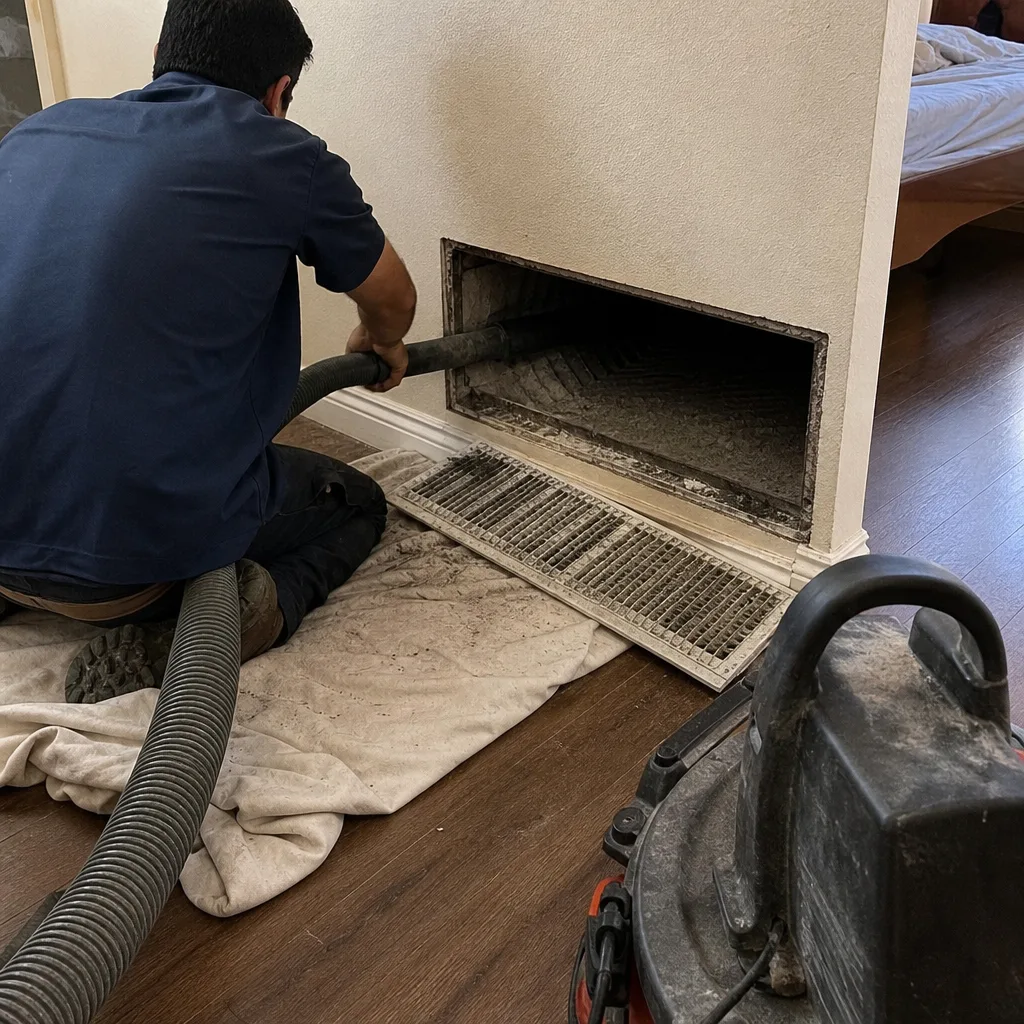 Before
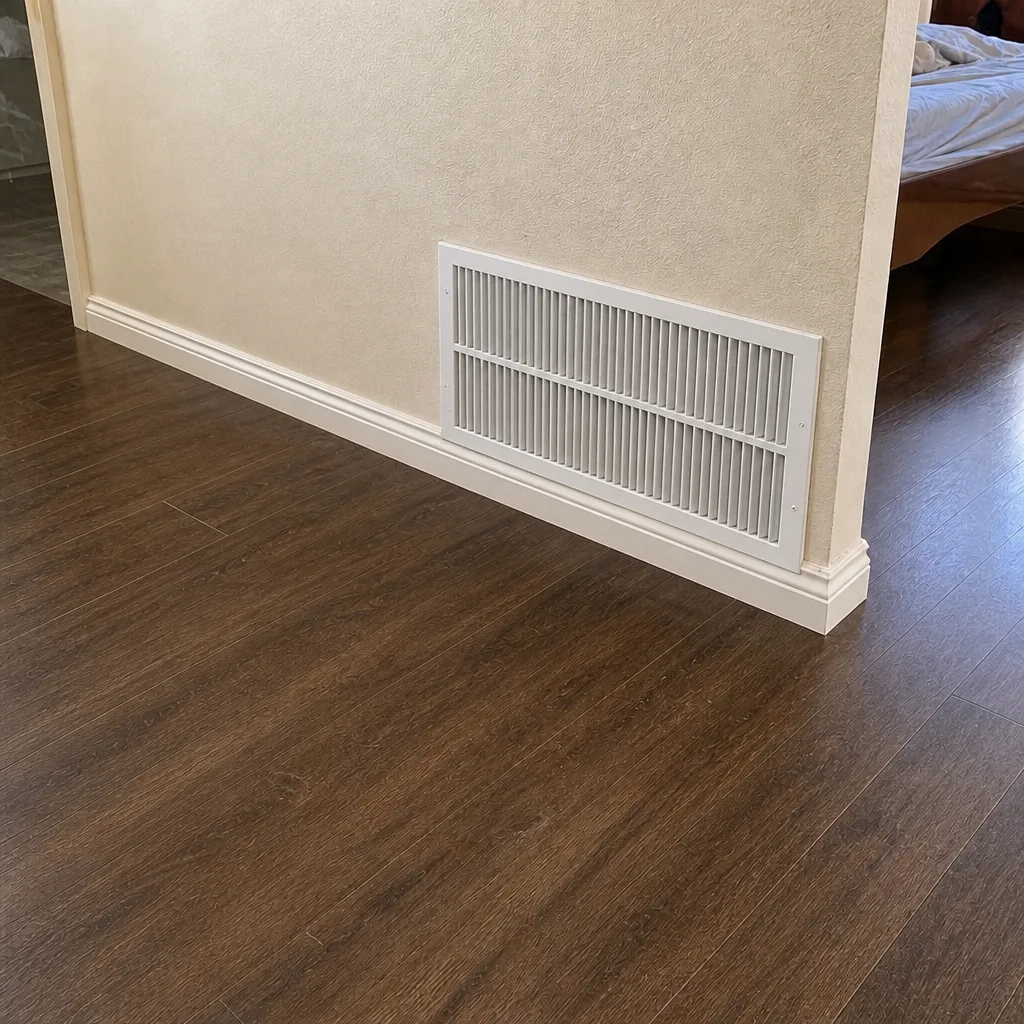 After