
Last updated November 5, 2026
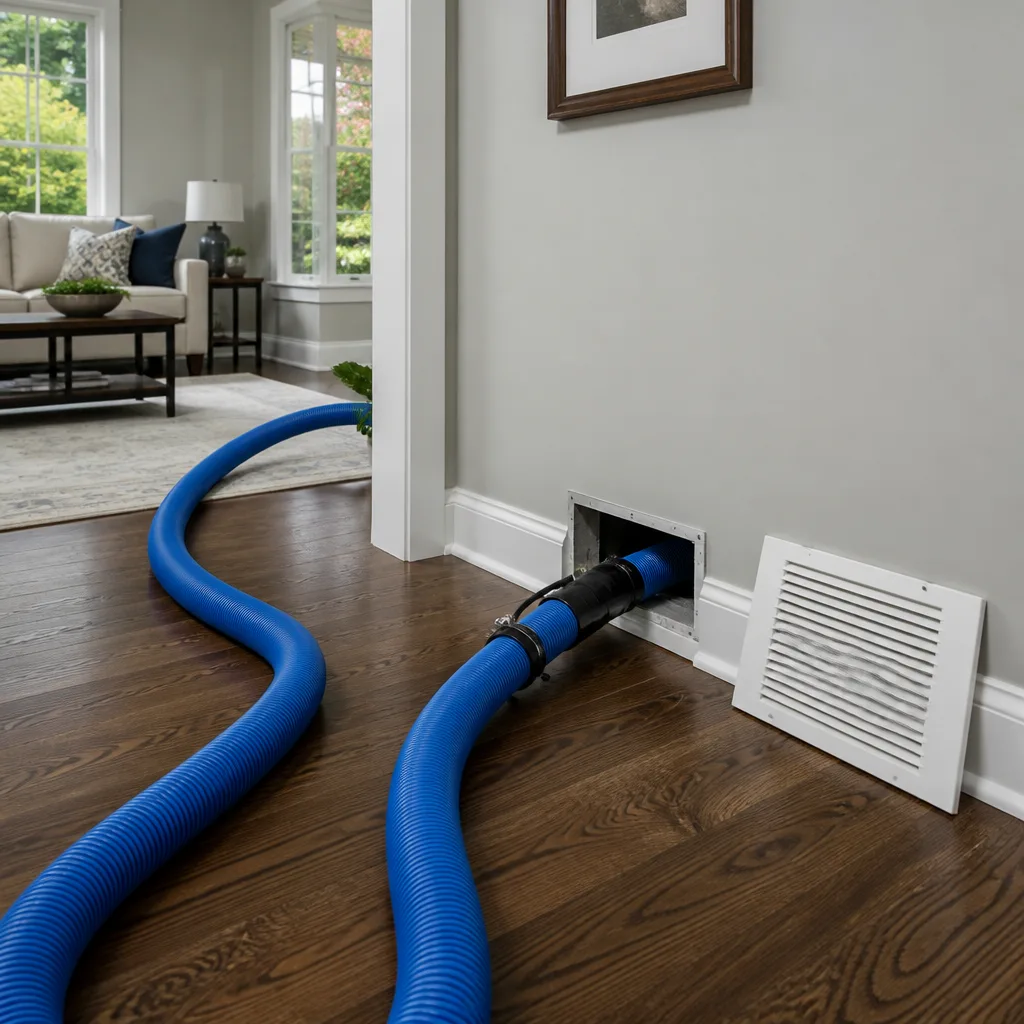 Whole-home duct cleaning
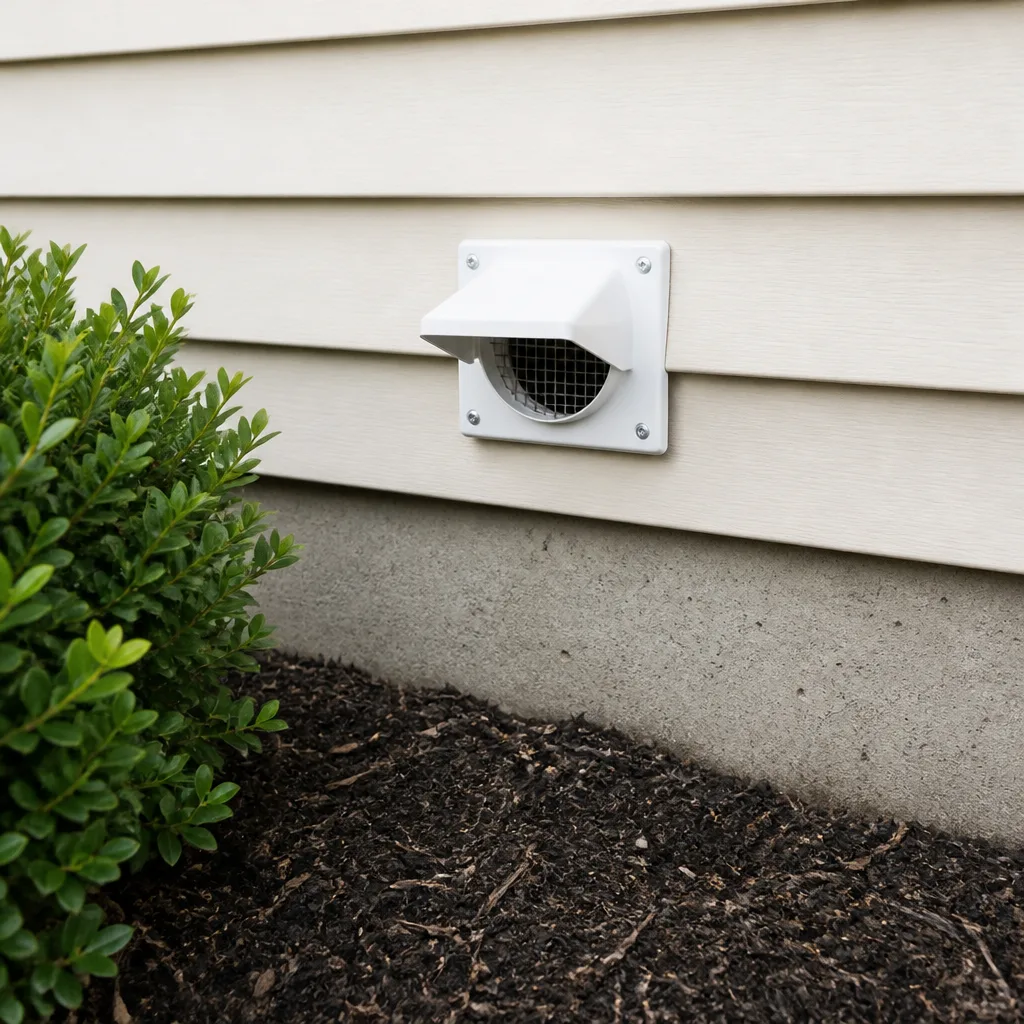 Dryer vent cleaning
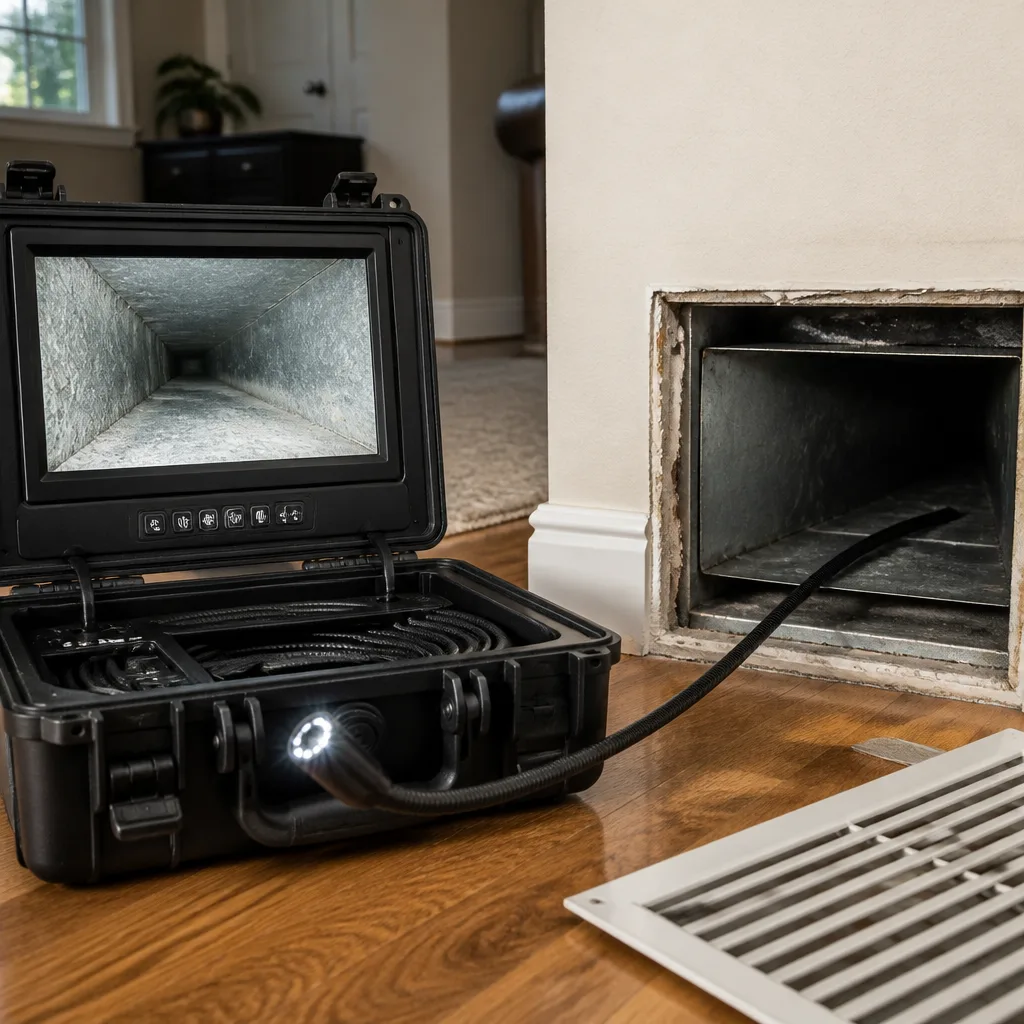 Camera inspection
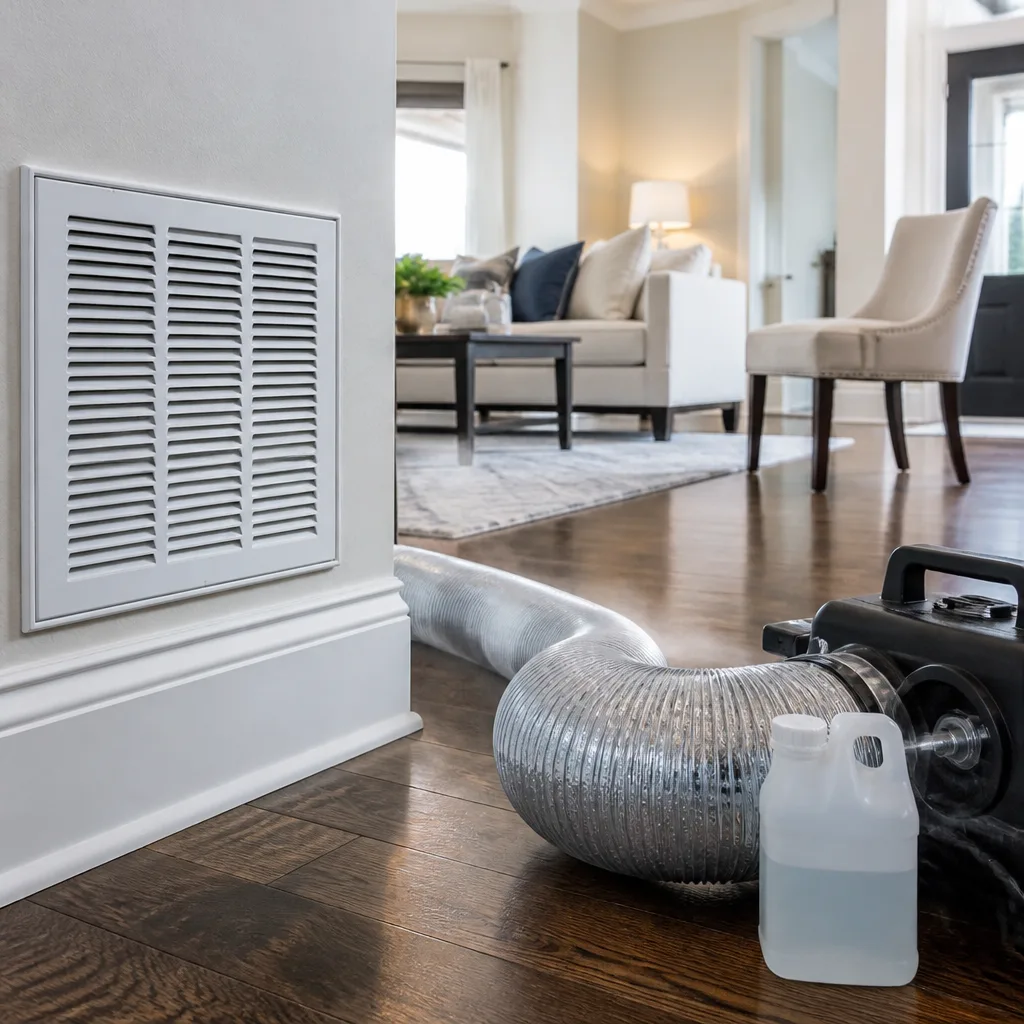 Sanitizing & deodorizing
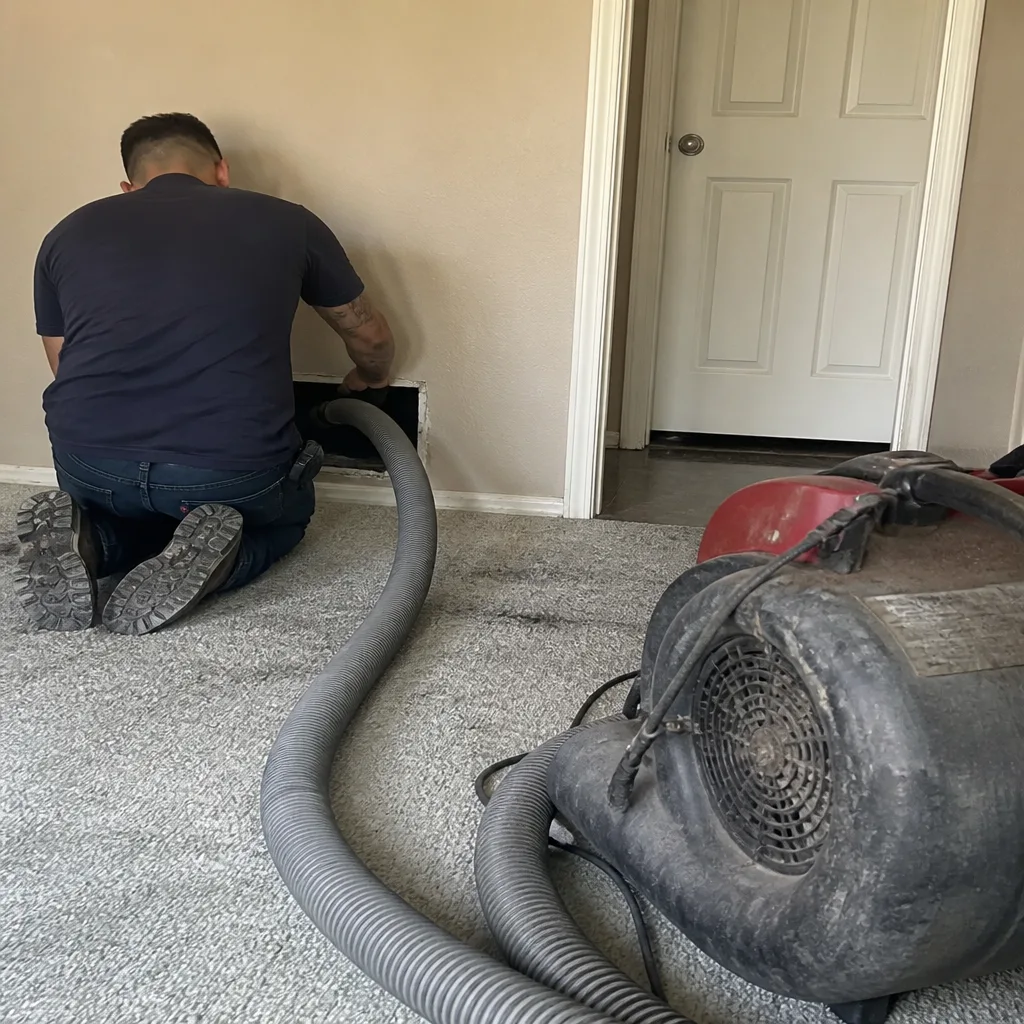
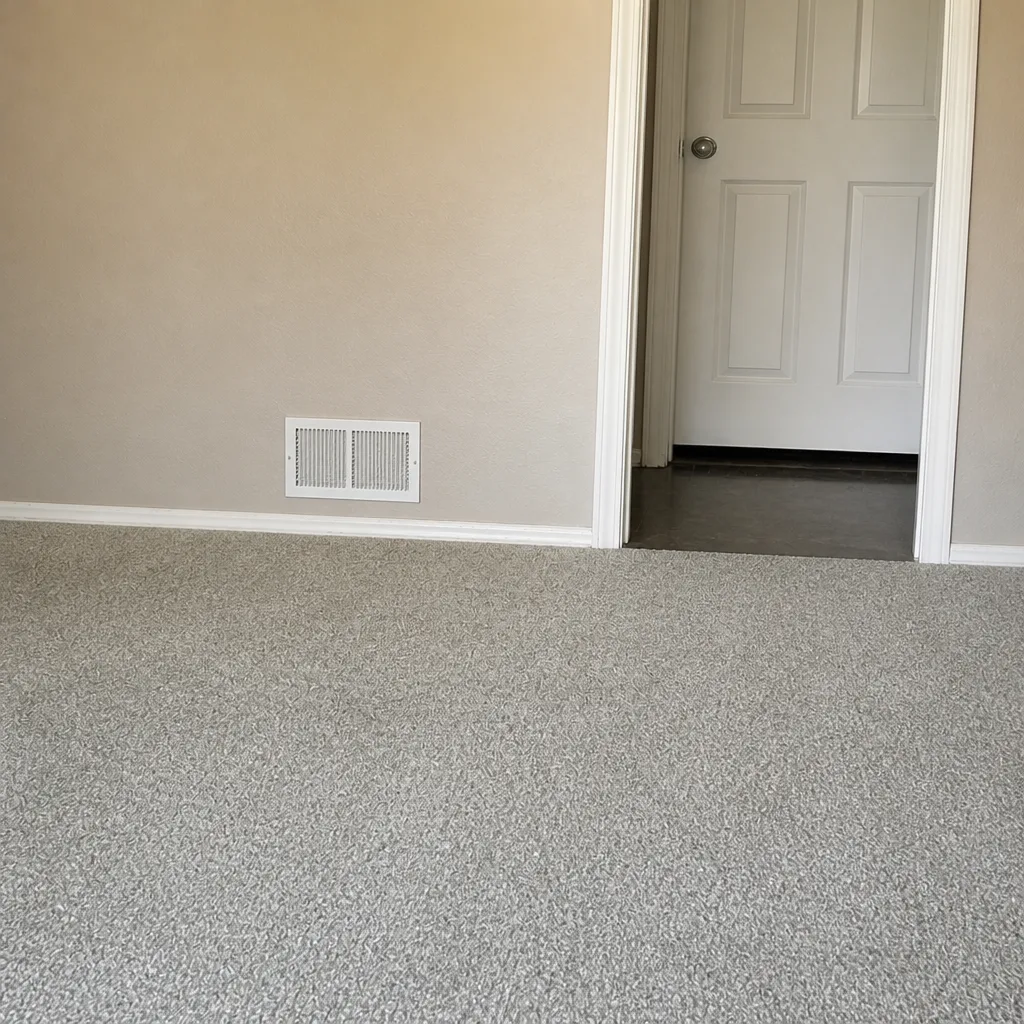
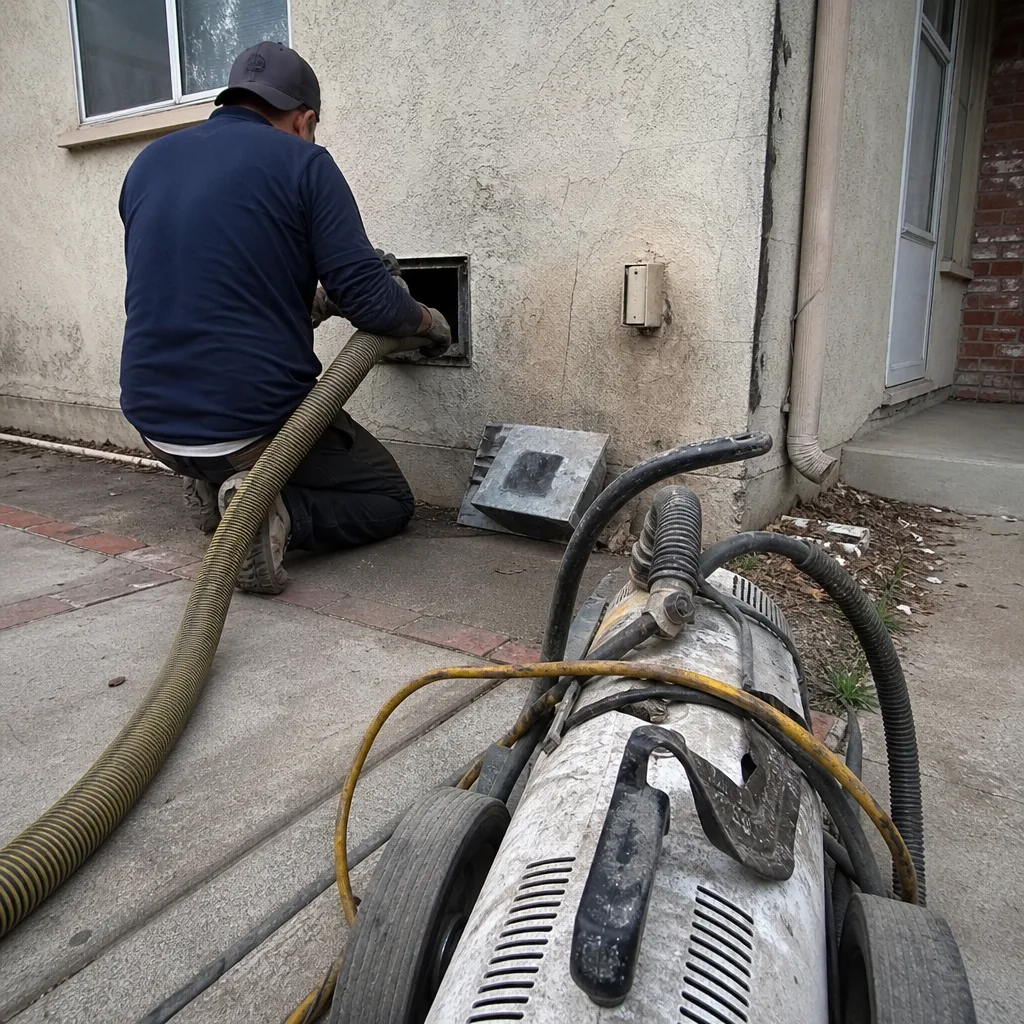
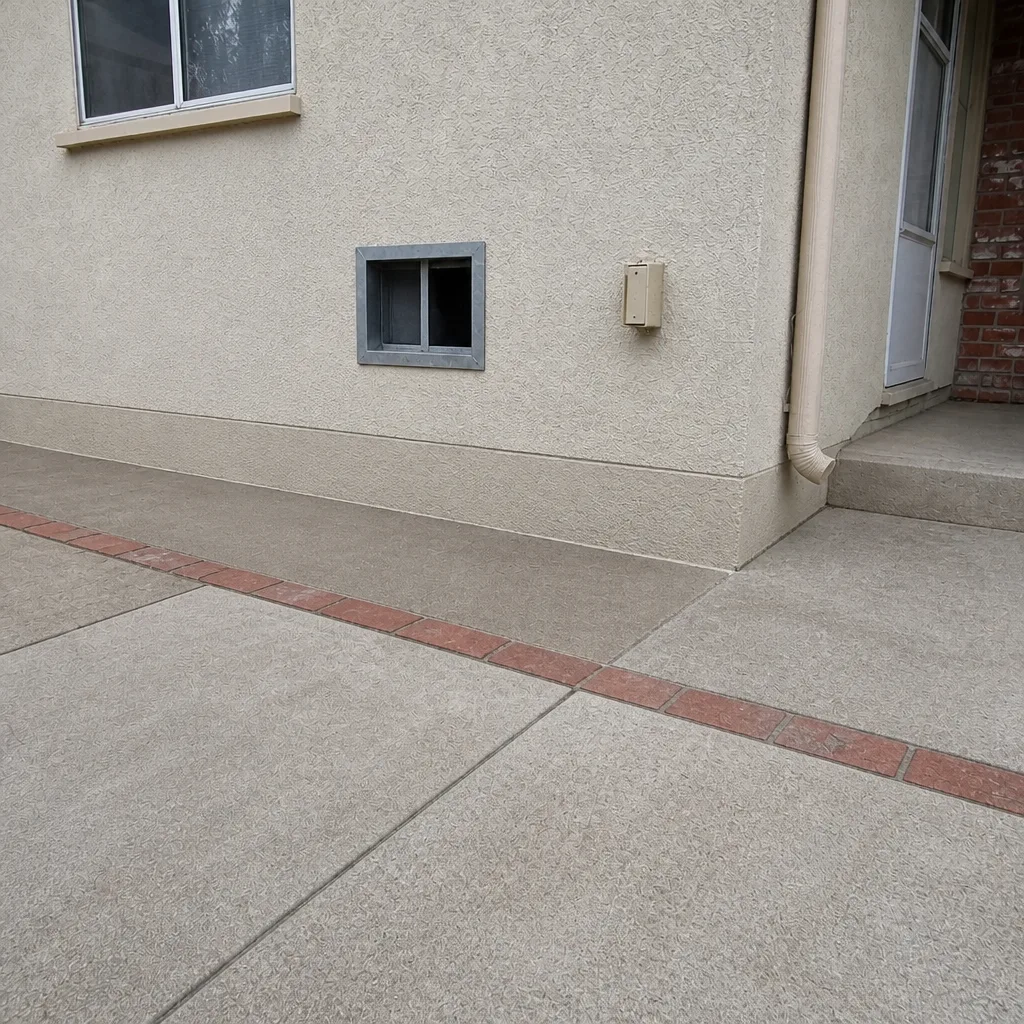
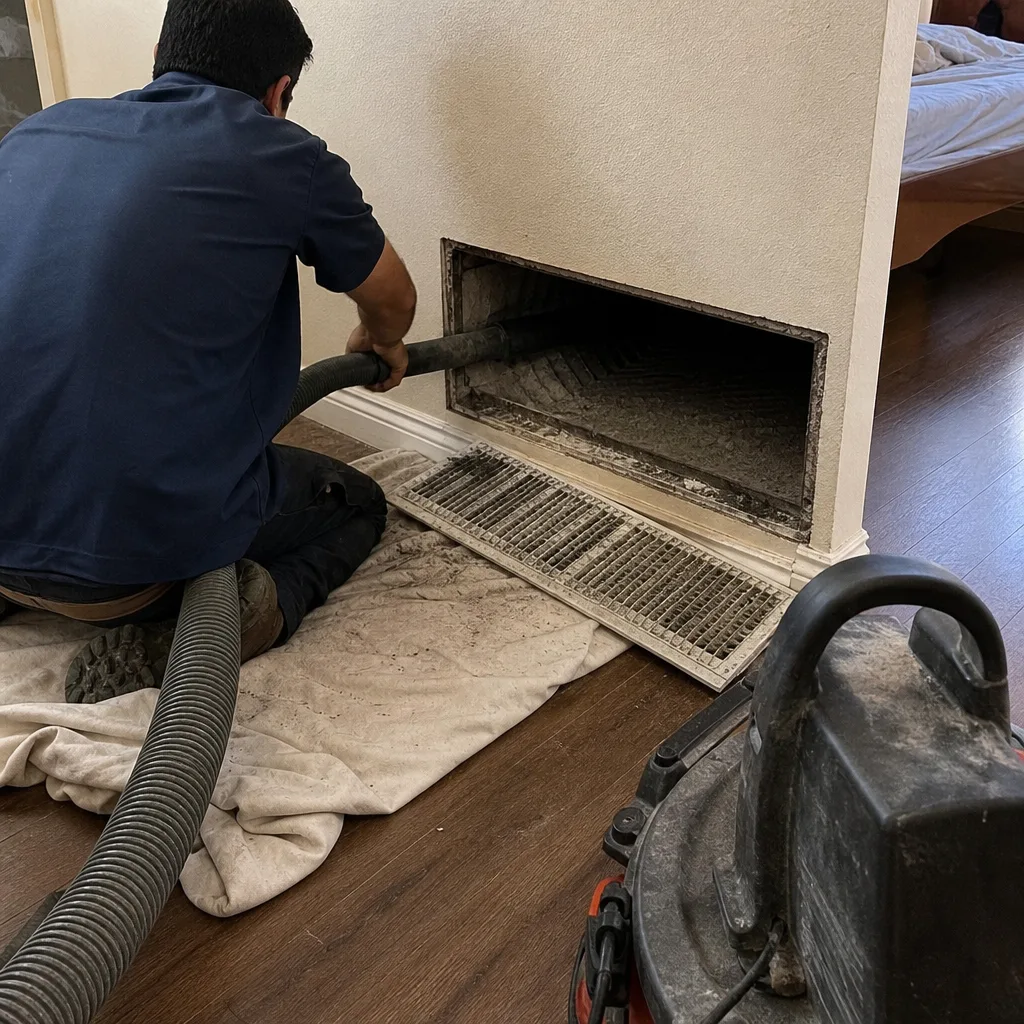
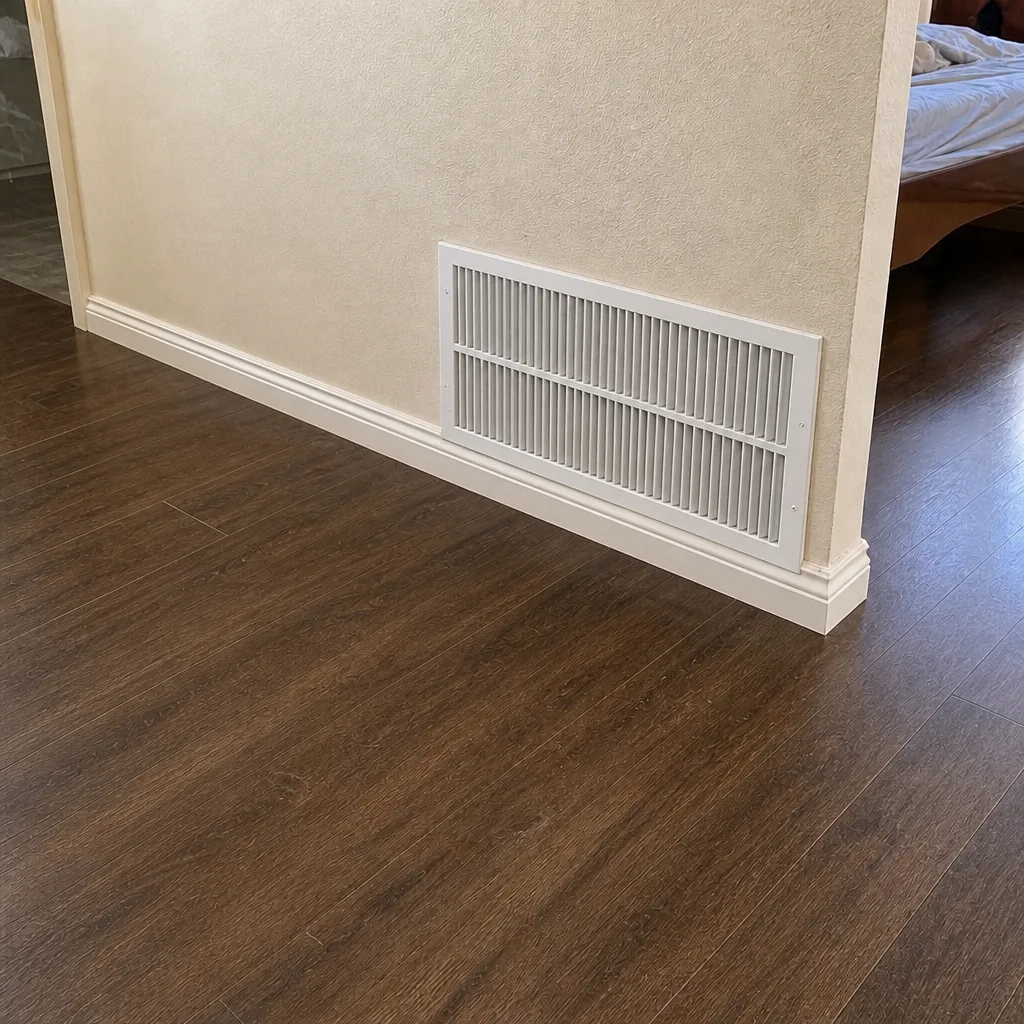
Whole-system duct and dryer vent check with before-and-after photos - you see exactly what came out of your vents
That "$99 whole-house special" is a bait ad - the real number appears once they are in your hallway, or the "clean" is a shop-vac at the register. We photograph the inside of your ducts before and after instead.
Air Duct Cleaning Permits, Codes & Inspections in Corona, CA: What You Need to Know
Most homeowners in Corona assume that any contractor who shows up to clean their ducts is automatically operating within the rules. That assumption gets tested the moment a technician pulls out a saw to cut an access panel or reaches for a spray bottle of antimicrobial treatment. The cleaning itself is unregulated from a permitting standpoint, but the moment the work crosses into duct modification or chemical application, you’re in an entirely different regulatory landscape that most people never see coming. This guide walks through exactly where that line sits, what California and Riverside County actually require, and how to know whether the crew in your home is doing a cleaning job or an unpermitted construction job. If you’re scheduling duct work in Corona, this is the background you need before you sign anything.
Quick Answer
Air duct cleaning itself requires no permit in Corona or anywhere else in California, because it’s classified as maintenance rather than construction. However, if the contractor cuts new access openings, modifies duct connections, or applies antimicrobial chemicals or sealants inside the ducts, different rules kick in: California Mechanical Code Title 24 and Riverside County amendments may require permits for the modifications, and the chemical products must be EPA-registered under FIFRA. Always ask whether the job is cleaning-only or includes any modification scope before work begins.
Styles & brands we work with
- Whole-home duct cleaning
- Dryer vent cleaning
- Camera inspection
- Sanitizing & deodorizing
Table of Contents
- The Legal Distinction: Cleaning vs. Modification
- How California CMC Title 24 and Riverside County Amendments Apply
- When Chemicals Inside Your Ducts Trigger EPA FIFRA Rules
- Protecting Your HVAC Manufacturer Warranty During Duct Work
- Post-Construction Duct Cleaning in Corona’s New Development Zones
- Your Liability When an Unlicensed Contractor Does Structural Work
- How to Verify a Duct Cleaning Contractor in Corona
- Common Mistakes to Avoid
- When to Call a Professional
- Frequently Asked Questions
The Legal Distinction: Cleaning vs. Modification
The single most important concept for any Corona homeowner to understand is this: cleaning is not construction. When a technician runs a Rotobrush or Nikro system through your existing ductwork, using the access points that are already there, no building department in California considers that a permit-triggering activity. The work is classified as maintenance, much like changing a furnace filter or vacuuming a carpet. The ducts are being restored to their original condition, not altered.
The picture changes completely when the work involves cutting. If a technician determines that your duct system lacks adequate access for effective cleaning, the legal next step is to discuss adding an access panel. That access panel is a modification. Under California Mechanical Code Title 24 and the local amendments adopted by Riverside County, cutting into ductwork to create new openings or to alter connections between duct sections is mechanical work that may require a permit and inspection. A reputable contractor will flag this before doing it. A less careful one will do it and call it part of the cleaning.
In our experience in Corona, homes built in the 1980s and 1990s often have fewer access points than modern construction. That means a genuine cleaning job on an older home frequently hits the question of access panel installation. The honest answer is that the panel is a separate scope of work, and it’s the homeowner’s right to know whether a permit applies before the saw comes out. Duct cleaning in Corona homes doesn’t have to become a code headache, but the conversation has to happen up front.
How California CMC Title 24 and Riverside County Amendments Apply
California’s mechanical requirements sit inside Title 24, Part 4, known as the California Mechanical Code (CMC). The CMC governs the installation, alteration, and repair of air distribution systems, including ductwork. For a cleaning-only job, the CMC isn’t really engaged, because nothing is being installed, altered, or repaired. The existing system is simply being serviced.
Riverside County, which includes the city of Corona, adopts the CMC with local amendments that can add requirements specific to the region. These amendments typically address things like seismic bracing for duct work, access requirements for inspection, and sometimes stricter rules around materials used in air handling systems. When a duct modification is performed, the contractor pulls a mechanical permit from the city of Corona’s building department or the county, depending on jurisdiction, and the work is subject to inspection.
What this means for a homeowner is practical. Before you hire anyone to do more than clean, ask this question: “Will this project require a permit, and who is pulling it?” A legitimate contractor has a direct answer. If the response is vague, that’s a warning sign. The permit process isn’t a bureaucratic nuisance; it’s the mechanism that ensures the work is inspected and meets code. In Corona, where summer temperatures routinely push past 95 degrees for stretches at a time, a compromised duct system that wasn’t inspected can mean conditioned air leaking into an attic for years without anyone knowing.
When Chemicals Inside Your Ducts Trigger EPA FIFRA Rules
Duct cleaning, done properly, is mechanical. Brushes and negative air do the work. But some companies offer to apply antimicrobial chemicals or sealants inside the ducts after cleaning, and that’s where federal law enters the conversation. Under the Federal Insecticide, Fungicide, and Rodenticide Act (FIFRA), any product marketed to kill or inhibit microorganisms inside a duct system must be registered with the EPA for that specific use. The registration matters because it means the product has been evaluated for safety and efficacy in that application.
A contractor who sprays a product that isn’t EPA-registered for HVAC use is not just cutting a corner; they may be operating outside federal law. And a homeowner who allows an unregistered product into their air distribution system has no way to know what they’re breathing. In our work across Corona, we’ve found that the vast majority of duct cleaning jobs don’t require any chemical application at all. Mechanical agitation with professional equipment, combined with proper containment, is usually sufficient to remove the dust, debris, and particulate that’s actually in the ducts.
If a contractor does recommend an antimicrobial treatment, ask for the EPA registration number. It’s printed on the product label. You can look it up. If the contractor can’t produce it, or starts explaining that the product doesn’t need registration, end the conversation. The EPA doesn’t make exceptions for convenience. This is one of the areas where the difference between a contractor who knows the rules and one who’s winging it becomes obvious fast.
Protecting Your HVAC Manufacturer Warranty During Duct Work
Here’s a detail almost no one thinks about until it’s too late: your HVAC manufacturer warranty may have language about who can access or modify the duct system and what products can be introduced into it. Most major furnace and air handler manufacturers include warranty provisions that allow regular duct cleaning, because they understand that dirty ducts reduce system performance. But those same warranties often specify that any access modifications must be done to code and that chemical treatments must be approved for the application.
What does this mean in practice? If a contractor cuts a new access panel and doesn’t seal it properly, and later your system develops a performance problem, the manufacturer can point to the unpermitted modification as grounds to deny a warranty claim. The same logic applies to chemical sealants. Some duct sealant products, when applied improperly, can flake off inside the system and interfere with components. The manufacturer didn’t approve that, and the warranty language probably says so.
The safe approach is to have a conversation with your contractor before any work that goes beyond cleaning. Ask whether the modifications are warrantied by the contractor and whether the products used meet manufacturer guidelines. If you’re working with a company that handles air duct cleaning as its core trade, rather than as an add-on, you’re more likely to get a straight answer, because they’ve seen the warranty issues before. When a generalist HVAC company treats duct work as an afterthought, the details that protect your warranty are the details most likely to be skipped.
Post-Construction Duct Cleaning in Corona’s New Development Zones
Corona has seen significant new residential construction over the past decade, with developments spreading into areas that used to be open land. New construction brings a specific issue: construction debris inside the duct system. Drywall dust, sawdust, paint overspray, insulation particles, and general job site debris settle into the ducts during the building process before the system is even commissioned. A standard maintenance clean isn’t the right scope for this situation.
A post-construction duct cleaning job requires a more aggressive approach. The volume of debris is typically much higher, and the material itself is heavier and more abrasive than the household dust that accumulates over years of normal living. The contractor needs to account for longer run times, more frequent filter changes on the cleaning equipment, and in some cases, access to portions of the system that wouldn’t normally justify access panels. In Corona’s newer developments, where homes are built closer together and the duct runs are often longer to accommodate two-story layouts, post-construction cleaning is a different animal entirely.
The permit question still applies here. Post-construction cleaning is cleaning, not modification, so no permit is required. But if the cleaning reveals construction debris that has damaged a duct connection, or if access panels need to be added to reach heavily impacted sections, the work crosses into permit territory. A contractor who understands both the cleaning side and the repair side can tell you what’s needed before starting. That’s the value of working with a company that offers Duct Cleaning Corona services with repair capability in-house.
Your Liability When an Unlicensed Contractor Does Structural Work
California requires a contractor’s license for any project where the combined labor and materials exceed $500. A duct modification that involves cutting into the system, relocating connections, or adding new branches is contractor work, and the person doing it needs a valid California contractor’s license with the appropriate classification. If that person performs structural duct work during what was quoted as a cleaning job, the homeowner carries real exposure.
The liability breaks down several ways. First, unpermitted work that’s later discovered can complicate a home sale. Second, if the work causes a problem, like a disconnected duct that leads to mold growth in the attic, the homeowner has limited recourse against an unlicensed operator. Third, some homeowner’s insurance policies include language about unpermitted modifications; if a claim arises from work that didn’t pass inspection, coverage can get complicated.
The practical takeaway for Corona homeowners is simple: verify the license before the work starts, not after. Ask for the license number. Check it against the Contractors State License Board database. It takes two minutes on your phone. If the contractor shifts the conversation or gives you a number that doesn’t check out, that’s your answer. The cost of the mistake isn’t measured in the few hundred dollars you might save, but in the thousands it can take to correct unpermitted work and the months it can take to resolve an insurance issue.
How to Verify a Duct Cleaning Contractor in Corona
Here’s a step-by-step process that works for any duct cleaning hire in Corona, whether you’re in a 1970s ranch home near downtown or a newer build in the foothill developments. It takes about ten minutes and it eliminates most of the risk.
- Ask for the contractor’s license number. If the work is cleaning-only, a license may not be strictly required, but a company that holds one has cleared a higher bar. Verify it on the CSLB website.
- Ask pointedly whether the job includes any modification. Use these words: “Is this cleaning-only, or will you need to cut any access panels or modify any duct connections?” Get the answer before the crew arrives.
- Ask about the equipment. A serious contractor can name their equipment. Rotobrush and Nikro are professional duct cleaning systems used by certified contractors. If the answer is “we have a truck with a vacuum,” keep looking.
- Ask about containment. Negative air containment, using equipment like Abatement Technologies machines, prevents dust from being redistributed through the home during cleaning. If the contractor doesn’t know what negative air means, that’s a red flag.
- Ask about chemical products. If any antimicrobial or sealant is proposed, request the EPA registration number and verify it applies to HVAC use.
- Ask about warranty implications. A knowledgeable contractor can speak to how the work interacts with manufacturer warranty language. A blank stare tells you something.
- Get the scope in writing. The written estimate should describe exactly what’s included. If there’s no written estimate, there’s no clear scope.
This process doesn’t require technical expertise. It requires asking questions and watching how the contractor responds. The good ones answer directly. The others get defensive or vague. In dryer vent cleaning work as in duct cleaning, the same principles apply: know what’s being done, know who’s doing it, and know whether the rules require a permit.
Common Mistakes to Avoid
- Assuming all duct work is the same. Cleaning and modification live under different rules. A contractor who blurs that line is either uninformed or deliberately misleading you. Always get the scope in writing before work begins.
- Accepting a verbal quote with no written scope. California law requires written estimates for home improvement work once it exceeds a threshold, and even below that, verbal agreements leave you with no documentation if the job goes sideways. Insist on a written estimate with a clear scope.
- Allowing chemical application without EPA verification. If the product isn’t registered for HVAC use, it doesn’t belong in your ducts. The registration number is on the label, and you have every right to see it.
- Relying on unlicensed operators for modifications. The savings evaporate the moment the work needs to be redone or an insurance claim gets complicated. Check the license before the job.
- Ignoring new Corona construction debris. If you’ve just bought a newly built home in Corona, the ducts likely contain construction debris that a standard maintenance clean won’t handle. Specify post-construction scope.
- Treating access panels as a trivial detail. A poorly sealed access panel leaks conditioned air. In Corona’s summer heat, that leakage costs you money every month and can compromise the system’s performance.
- Skipping the warranty conversation entirely. Five minutes of questions before the job can protect a warranty worth thousands. It’s the cheapest insurance you’ll ever buy.
When to Call a Professional
Some situations call for a professional rather than a DIY attempt. If you can see visible mold growth or suspect biological contamination inside the ducts, call a contractor who understands containment and EPA compliance. If your ducts have never been cleaned and the home is more than ten years old, the debris volume likely exceeds what any consumer-grade approach can handle. If you’re in a newly constructed Corona home and have noticed dust appearing on surfaces within weeks of cleaning, the ducts are probably distributing construction debris. If you need Duct Cleaning Corona work done right, with professional equipment and a clear answer on permits, call for an estimate. Duct Cleaning Corona offers free estimates in Corona. Call (855) 923-0983. We answer 24/7. Fast dispatch from 7am to 7pm, Sunday through Friday.
Frequently Asked Questions
No permit is required for air duct cleaning itself in Corona, because cleaning is classified as maintenance rather than construction. A permit becomes relevant only if the contractor cuts new access panels, modifies duct connections, or performs other alterations, at which point California Mechanical Code and Riverside County requirements may apply.
Yes. Any product marketed to kill or inhibit microorganisms inside an HVAC system must be registered with the EPA under FIFRA for that specific use. Ask the contractor for the EPA registration number and verify it on the label before allowing any chemical application inside your ducts.
Ask the contractor directly whether the work includes any modification beyond cleaning. Access panel installation, duct connection changes, and branch additions are modifications that may require a mechanical permit through the city of Corona or Riverside County. The written estimate should specify cleaning-only or modification scope.
It can. Unpermitted modifications that are later discovered can complicate both insurance claims and home sales. California law requires a contractor’s license for work over a $500 threshold, and unlicensed structural work during what was quoted as cleaning puts the financial exposure on the homeowner.
New construction leaves drywall dust, sawdust, insulation particles, and other job site debris inside the ducts. This requires a more aggressive cleaning approach than standard maintenance, with longer run times and often additional access, though the cleaning itself still requires no permit.
Routine duct cleaning does not void a manufacturer warranty, and most manufacturers expect it as part of system maintenance. The risk comes from unpermitted modifications or chemical treatments that aren’t approved for the application, which can give the manufacturer grounds to deny a claim. Discuss warranty implications with your contractor before any non-cleaning work. For an exact quote on your Corona home, call (855) 923-0983. We answer 24/7. Fast dispatch from 7am to 7pm, Sunday through Friday.
The Bottom Line
Duct cleaning in Corona is a maintenance activity, not a construction project, and no permit is required for the cleaning itself. The regulatory complexity appears the moment the job expands into access panel installation, duct modification, or chemical application inside the system. California CMC Title 24, Riverside County amendments, and EPA FIFRA rules each apply in specific situations, and the homeowner’s protection comes from asking the right questions before work starts. Verify the license, get the scope in writing, check chemical registrations, and understand where your warranty stands. The difference between a clean, compliant job and a regulatory mess is usually a ten-minute conversation.
Written by the team at Duct Cleaning Corona, serving Corona since 2012.
See the difference
 Before
 After
 Before
 After
 Before
 After