
Last updated November 5, 2026
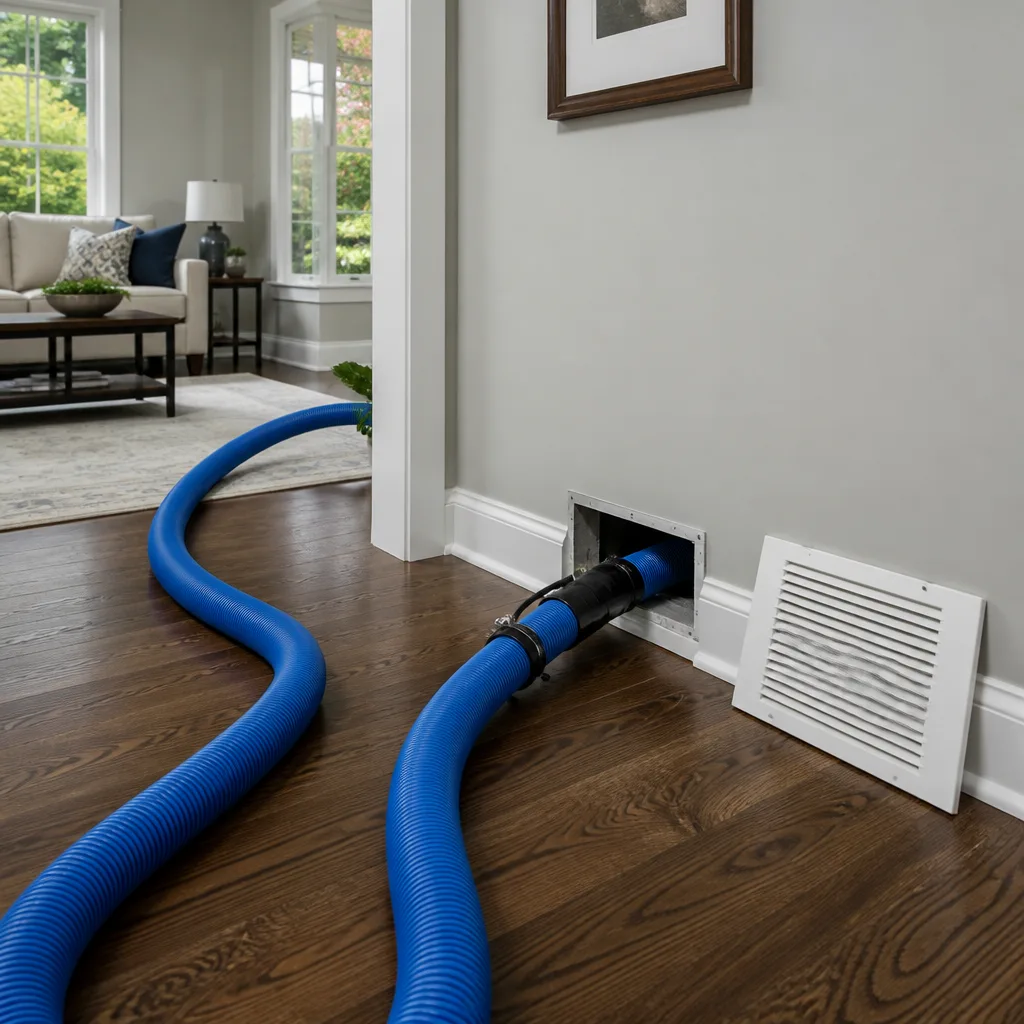 Whole-home duct cleaning
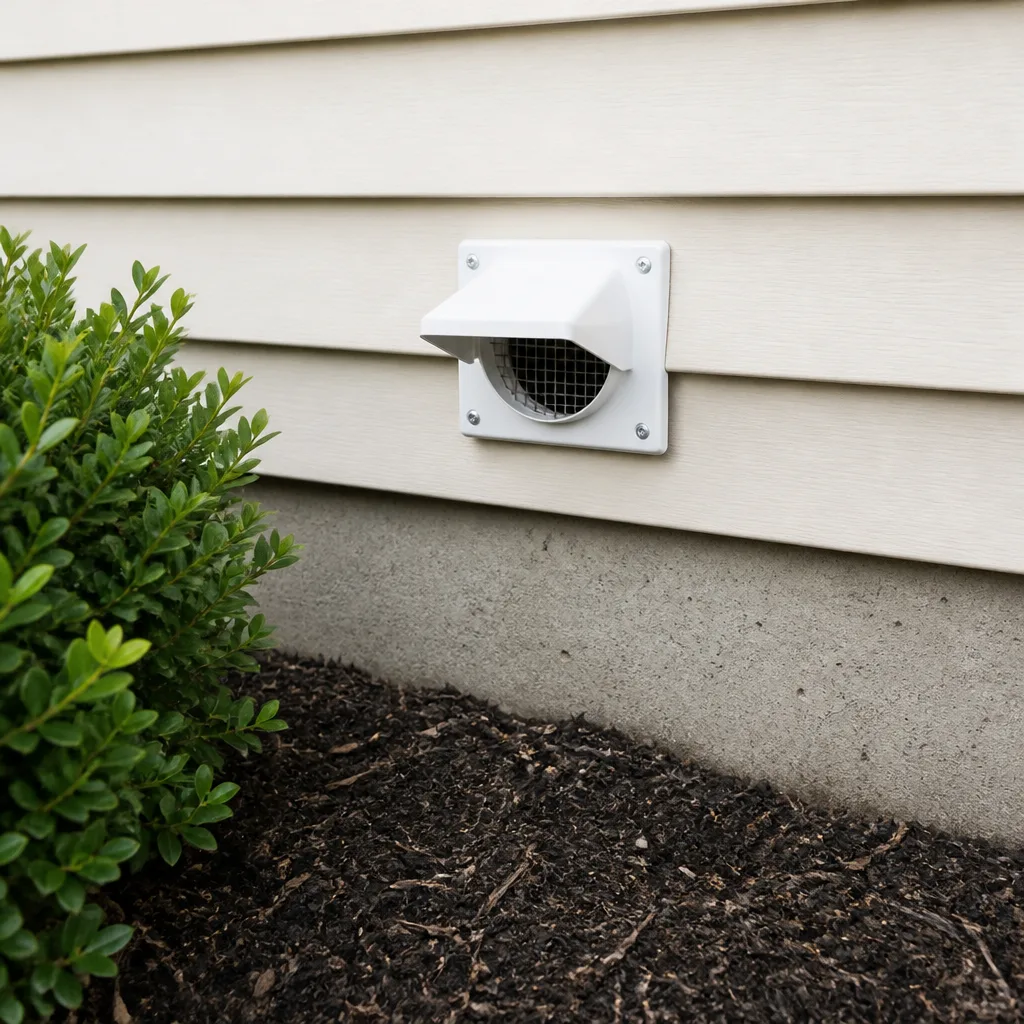 Dryer vent cleaning
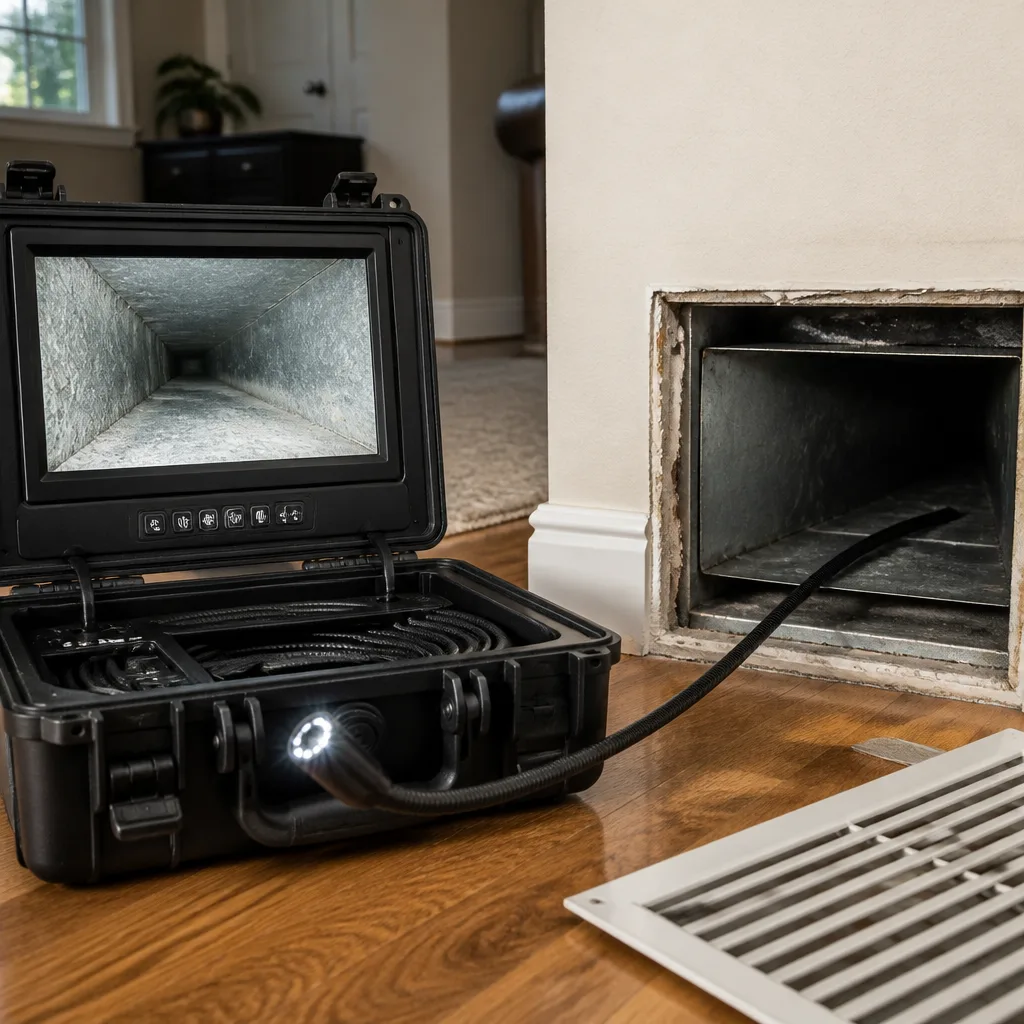 Camera inspection
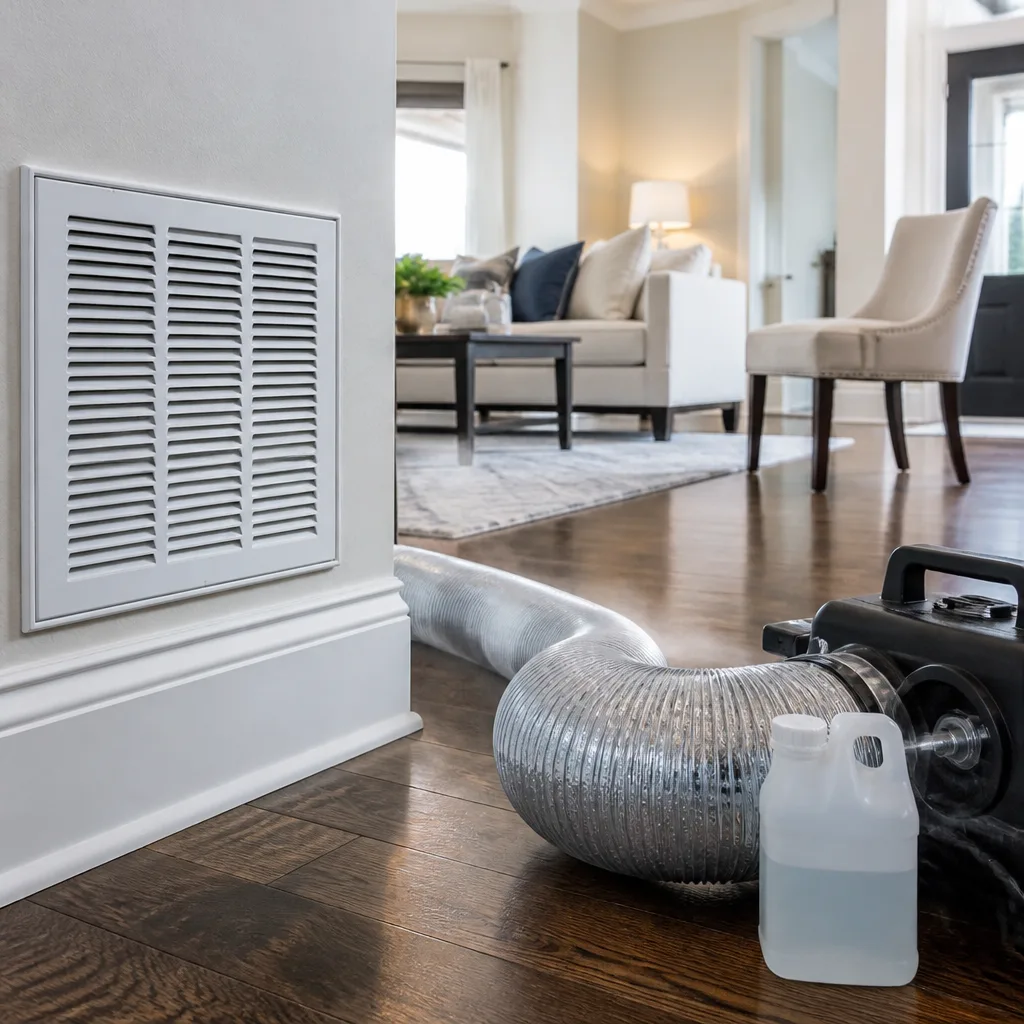 Sanitizing & deodorizing
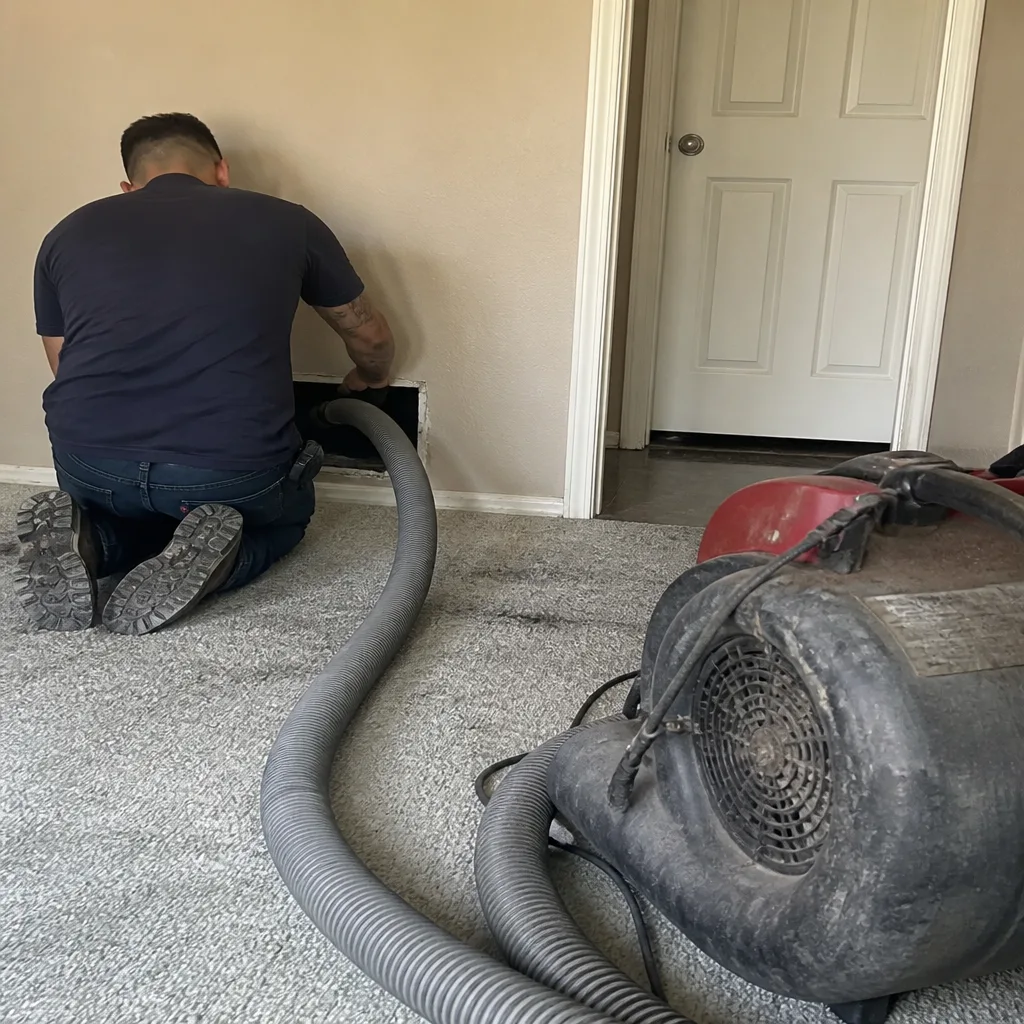
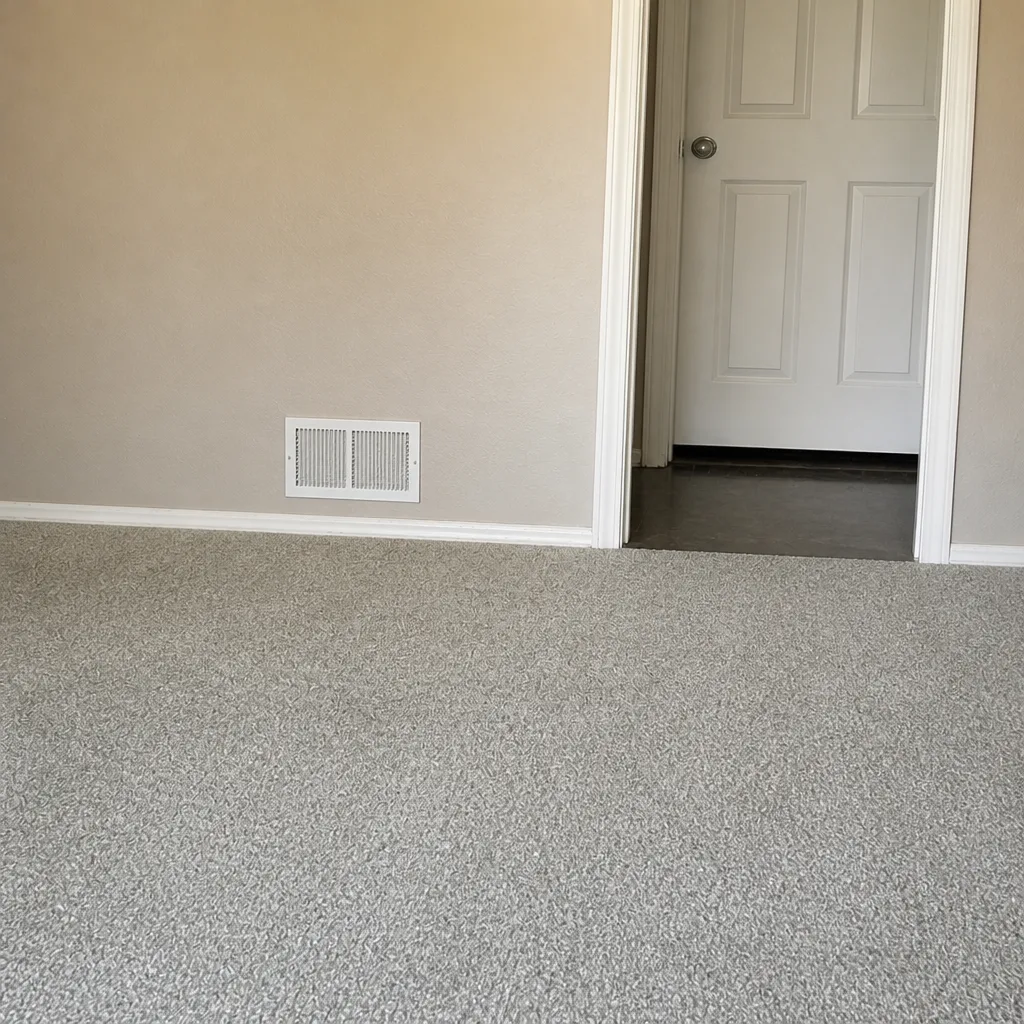
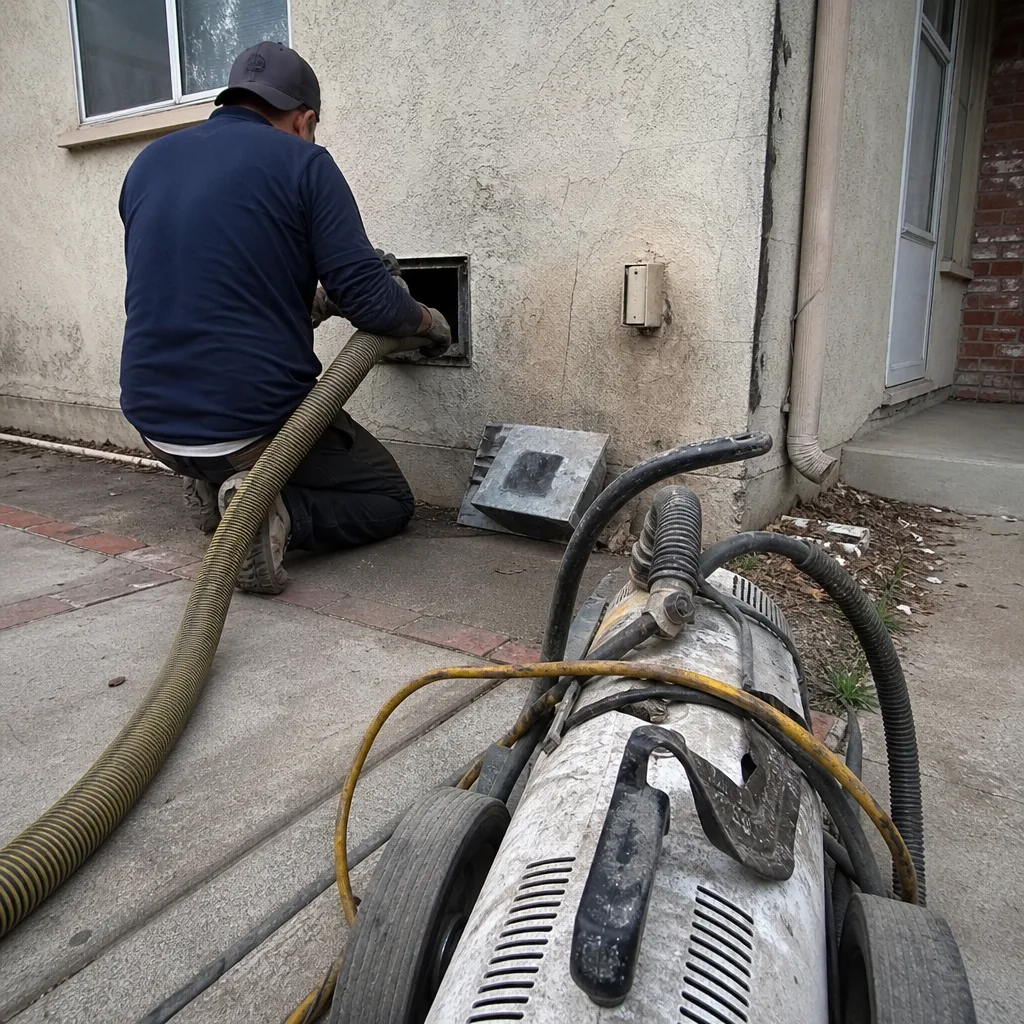
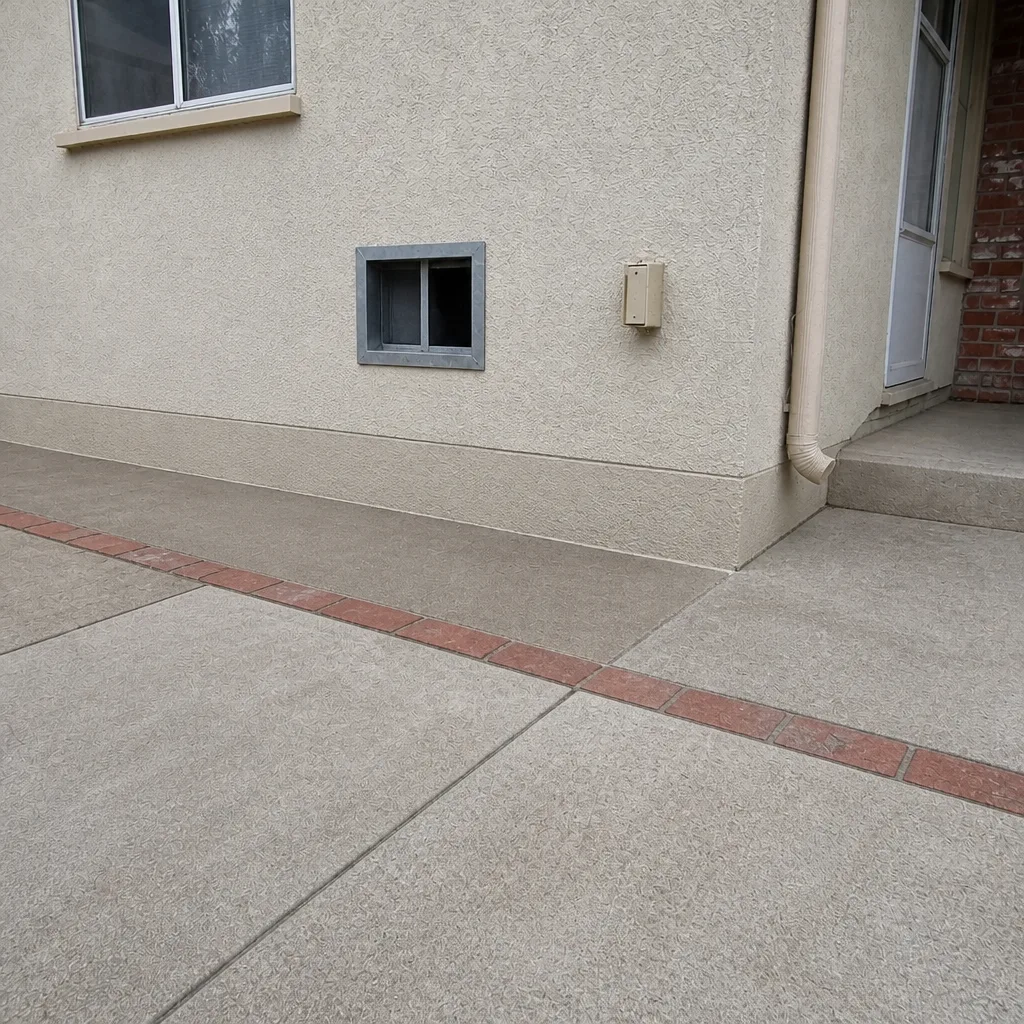
Whole-system duct and dryer vent check with before-and-after photos - you see exactly what came out of your vents
That "$99 whole-house special" is a bait ad - the real number appears once they are in your hallway, or the "clean" is a shop-vac at the register. We photograph the inside of your ducts before and after instead.
Air Duct Cleaning Maintenance Schedule: What to Do and When
Most homeowners in Corona have been told the same thing: clean your air ducts every three to five years. That number gets repeated so often it sounds like building code. It isn’t. It’s a rough average that ignores how differently two houses on the same street can operate. A four-bedroom home with three dogs, two allergy sufferers, and an AC system that runs from May through October has almost nothing in common with a two-person household that opens windows every evening. The calendar is the wrong tool. What actually determines duct cleaning frequency is measurable: how many hours your HVAC system runs, what it pulls through the return, and what your ducts are made of. This guide replaces the generic rule with a working maintenance schedule built around those variables, specific to inland Southern California conditions.
Quick Answer
Most Corona homes should have air ducts cleaned every 2 to 4 years when measured by HVAC operating hours rather than calendar time, which works out to roughly every 1,800 to 2,200 hours of system runtime. Homes with pets, allergy or asthma residents, recent renovation dust, or attic duct runs in extreme heat should lean closer to 2 years. Homes with minimal occupancy and disciplined filter replacement can often stretch to 4 or 5 years without a measurable loss in air quality.
Styles & brands we work with
- Whole-home duct cleaning
- Dryer vent cleaning
- Camera inspection
- Sanitizing & deodorizing
Table of Contents
- How to Calculate Your Real Cleaning Interval
- Why Corona’s Climate Changes the Math
- Schedule Adjustments for Pets, Allergies, and Renovations
- How Duct Construction Type Affects Maintenance
- Homeowner Maintenance Between Professional Cleanings
- The Baseline Inspection When Buying a Home
- How to Keep a Duct Maintenance Log That Pays Off
- Common Mistakes to Avoid
- When to Call a Professional
- Frequently Asked Questions
How to Calculate Your Real Cleaning Interval
HVAC operating hours, not months on a wall calendar, determine how much dust, skin cells, pet dander, and debris actually moves through your ductwork. Here’s the logic. A house in a mild coastal climate might run its AC 800 hours a year. A Corona house regularly hits 1,800 to 2,200 hours because inland summer temperatures push systems hard from late spring through early fall. Calendar-based advice treats both houses the same. That’s the flaw. If your system runs twice as many hours as someone else’s, your ducts accumulate debris twice as fast, and a five-year interval is really a ten-year interval in runtime terms. To find your actual trigger point, estimate your annual operating hours and track them against a simple dust-load benchmark.
- Estimate your seasonal runtime. In Corona, assume roughly 6 to 8 hours of daily AC runtime during the hottest four months (June through September). Assume 2 to 4 hours daily in May and October. Add furnace runtime in winter if you heat with forced air. A reasonable Corona baseline is 1,800 to 2,200 hours annually.
- Note your occupancy load. Add a multiplier. Homes with two or more pets, three or more occupants, or a resident with asthma or severe allergies accumulate debris faster. We treat these homes as if they log 20 to 30 percent more runtime.
- Check your filter condition monthly. If a fresh MERV 8 or higher filter looks heavily loaded after 30 days, your system is moving more particulate than average. That shortens intervals. If the filter still looks clean after 60 days, you’re on the lighter end.
- Apply the 1,800 to 2,200 hour benchmark. Divide 2,000 hours by your annual runtime estimate. A 2,000-hour home cleans every 2 to 2.5 years. A 1,800-hour home stretches to 3 to 3.5 years. That’s your real schedule, and it will differ from your neighbor’s, which is the point.
This approach matters because the question “how often should air ducts be cleaned in Corona CA” has no honest single answer. The honest answer is: measure your runtime, observe your filter, and clean when the data says to, not when a pamphlet does. In our experience, Corona homes that track runtime clean more accurately than homes that track years, and they often discover the previous owner or landlord simply never did it at all.
Why Corona’s Climate Changes the Math
Corona sits inland, where summer temperatures routinely push into the 90s and triple digits for weeks at a time. That heat isn’t just a comfort problem; it’s a duct-loading problem. Every hour your AC runs, air cycles through the return, across the coil, and through the supply runs, carrying whatever is suspended in your indoor air. The longer the runtime, the more particulate deposits on duct surfaces. A home running 2,000 hours a year deposits roughly twice the material of a home running 1,000 hours, all else equal. That’s why a Corona homeowner should think in HVAC hours, the way a mechanic thinks in miles, not in birthdays.
There’s a second, quieter factor: attic ducts. Many Corona homes route flex duct through attic spaces that bake in summer. Attic temperatures above 130 degrees bake the inner lining of older flex duct, causing micro-fractures and accelerated shedding of liner particles into the airstream. The outside heat also condenses moisture against cool duct exteriors when the AC runs, encouraging dust to cake rather than blow through. This is why two homes with identical square footage and identical occupancy can have completely different internal duct conditions: one runs trunk lines through conditioned space, the other through an uninsulated attic. The fixed calendar rule never accounts for this. Our air duct cleaning work regularly finds dramatically different buildup levels in homes a block apart, for exactly this reason. When we evaluate a system, we look at where the ducts live, not just when they were last touched.
The inland dry heat also makes static electricity more pronounced. Dry air means dust particles don’t clump; they stay light, airborne, and easily pulled into the return. That fine, powdery dust is exactly what settles into the low points of flex duct runs. None of this is catastrophic, but all of it argues for an hour-based schedule instead of a year-based one.
Schedule Adjustments for Pets, Allergies, and Renovations
Once you have a baseline schedule from operating hours, adjust for your household’s specific particle load. These are the variables that push a 4-year home toward a 2-year interval, or keep a quiet home comfortably at the longer end.
- Pets, especially indoor dogs and cats. A single dog sheds enough dander and hair to load a filter in three weeks. Two or more pets can halve a cleaning interval. If pet hair is visible on return grilles between monthly cleanings, your ducts are collecting what the filter misses. We recommend pulling return grilles monthly and vacuuming them.
- Residents with allergies or asthma. For these households, settled duct dust isn’t just an efficiency issue; it becomes re-entrained into the air stream every time the blower starts. A schedule aimed at symptom reduction usually means cleaning at the short end of the runtime bracket. If morning sneezing or nighttime congestion spikes when the heat or AC first fires up for a season, that’s a runtime signal.
- Recent renovation or remodeling. Drywall dust, sawdust, and flooring particulates are fine enough to slip past most filters and heavy enough to settle in duct runs. Even a single-room remodel can deposit enough dust to justify a cleaning afterward, regardless of the last cleaning date. We advise homeowners to schedule cleaning after the final sanding and before moving furniture back.
- Smoking, candles, or frequent cooking. These add sticky, fine particulates that bond to duct surfaces and don’t blow out. A home with heavy cooking or candle use reads like a home with a pet in terms of buildup.
- Occupant count. More people means more skin cells, more clothing fibers, and more tracked-in dust. A six-person household simply introduces more material into the system than a two-person one. It’s arithmetic.
The practical takeaway: write down your baseline year from the operating-hours method, then adjust one step shorter for each of the above factors that applies. Two factors means one full step. You’ll rarely go wrong. The point isn’t precision to the month; it’s building a schedule that reflects your actual air load instead of an industry-wide average.
How Duct Construction Type Affects Maintenance
Duct material and layout have a bigger effect on cleaning frequency than most homeowners realize. Rigid galvanized steel ducts have smooth interiors that shed dust easily and clean thoroughly. Flex ducts, the insulated round tubes common in Southern California attics, have ribbed inner liners that trap dust in the spirals. Flex duct also sags between hangers, creating low spots where debris collects and won’t move without negative-air extraction. When we run professional equipment from Duct Cleaning Corona through a flex system, we’re working against that texture and geometry, which is why household-grade tools fail on it. A shop-vac attached to a vent pulls what’s loose and leaves what’s packed. It’s the difference between sweeping a carpet and steam-cleaning it.
Return-side configuration matters too. Homes with a single central return draw air from a large volume and deposit it heavily in that one return trunk. Homes with multiple returns spread the load. If your system has one large return in a hallway, assume heavier buildup in the first several feet of return duct. We check this during every service call because the first five feet of return after a central filter is typically the dirtiest part of any system, and it’s also the part most visible to a homeowner willing to remove a grille and look.
Age of duct stock also plays a role. Corona housing stock spans decades, and older flex duct inner liners break down over time. If your home is old enough that the original ducts are 20 or more years old, the liner itself may be contributing particulate. In those cases, cleaning restores function, but air duct cleaning also serves as a diagnostic: when negative-air extraction shows liner material rather than ordinary house dust, that’s a repair conversation.
Homeowner Maintenance Between Professional Cleanings
Most of what keeps ducts clean between professional visits costs very little and takes minutes. What it requires is consistency. These are the homeowner tasks we tell every Corona customer to adopt, and they align with what any honest technician would tell a friend.
- Replace or clean filters on a fixed interval, not on memory. For a standard 1-inch pleated filter, 30 to 60 days is the range, with 30 being correct for pet homes and high-runtime summer months. Write the install date on the filter frame with a marker. A clogged filter doesn’t just load the blower; it forces the system to pull air from wherever it can, including around the filter slot, which sends unfiltered air straight into the coil and supply ducts.
- Vacuum return and supply register faces monthly. Use a brush attachment. These grilles sit in the airstream every hour the system runs, and what sticks to them was headed for your ducts.
- Inspect accessible flex duct connections twice a year. Go into the attic in spring and fall, before the heavy cooling and heating seasons. Look for sagging runs that have pulled away from collars, visible tears, or tape that’s peeling. If you see insulation exposed, don’t repair with standard duct tape; that’s a temporary fix that fails. Note it and call a contractor who handles duct repair as a standalone service.
- Check the condensate drain line each summer. A clogged drain raises humidity inside the air handler, which turns ordinary dust into a glued-on coating. Flushing the line with a cup of white vinegar twice a season keeps it clear without harsh chemicals.
- Keep return air paths clear. Furniture shoved against a wall return starves the system and forces it to pull from other places. Give every return at least 12 inches of clearance.
None of these tasks requires special equipment beyond a vacuum, a marker, and a flashlight. They won’t replace professional cleaning; they extend the interval and make the eventual cleaning more effective. They also build good observational habits, which is the real foundation of any maintenance schedule.
The Baseline Inspection When Buying a Home
When you buy a resale home in Corona, you inherit the previous owner’s maintenance history, for better or usually worse. Disclosures rarely include a duct cleaning date, and even when they do, there’s no way to verify what was actually done or with what equipment. That’s why we recommend treating a newly purchased home’s duct system the way you’d treat an unknown timing belt: establish a known baseline before you trust it.
The baseline approach is simple. Assume the system has never been cleaned until proven otherwise. Schedule a professional cleaning or at minimum an inspection within the first few months, before you settle into the home and attribute symptoms to other causes. This is especially true if the home was vacant for any period, if it’s a flip with fresh paint and new carpet (both of which shed), or if it predates current construction standards. In our experience, resale homes in older Corona neighborhoods often produce more material on the first cleaning than on any subsequent one, because years of rental turnover or deferred maintenance pile up unseen. The air you smell walking through a freshly painted house is telling you one story; the inside of the return duct is often telling another.
Newer construction brings its own issue: builders’ ducts routinely contain construction debris, drywall dust, and lengths of strapping or even soda cans from the framing crew. A baseline cleaning in a new home removes that before it cycles through the blower. The same logic applies to a home that’s had major renovation work. Establishing a clean, documented starting point turns the maintenance schedule from guesswork into measured data. If you want a baseline that includes scoped findings and not just a cleaning, ask for a duct inspection with photos. Most companies, including ours, document what the negative-air extraction pulled out before the system is closed back up.
How to Keep a Duct Maintenance Log That Pays Off
A maintenance log costs nothing and pays back in two ways: it tells you when to clean, and it tells a future technician what’s normal for your system. Most homeowners rely on memory, and memory fails. A simple notebook page or a note on your phone is enough. What you’re building is a runtime and symptom record, and over a few years it becomes the most reliable diagnostic tool you own.
Record these five entries each time you do anything to the system:
- Date and type of filter installed. Include the brand and MERV rating. If you switch from a MERV 8 to a MERV 13, that decision changes system pressure and airflow. Document it.
- Date of professional cleaning and company name. Keep the invoice with it if it lists what was removed or what was found.
- Observed filter condition at replacement. Note whether it was lightly loaded, packed, or wet. Wet is a red flag unrelated to cleaning and deserves investigation.
- Any symptoms noticed. Musty smell on startup, dust accumulating rapidly on furniture, a room that’s always warmer than the rest. Date it. Symptoms are data.
- Any repairs or adjustments. Flex duct re-supported, loose boot re-sealed, damper adjusted. These changes affect future readings.
- Cleaning on a fixed calendar interval without checking runtime. In a high-runtime Corona home, five years may be far too long. In a light-use home, three years may be premature. The log tells you which you are.
- Using a shop-vac or household equipment on ducts. Consumer tools lack the reach and negative-air power to pull compressed debris from a full run. In our experience, DIY attempts often leave the worst material in the low points and give a false sense of completion.
- Replacing the filter and assuming the ducts are fine. A filter captures airborne dirt going into the air handler. It does nothing for what’s already deposited along the trunk lines and flex runs. Those are two different problems.
- Ignoring the dryer vent. Lint accumulation isn’t an air-quality nuance. It’s a fire hazard. We handle dryer vent cleaning as a dedicated service because the stakes are different from dust on a supply grille.
- Applying a coastal rule to an inland climate. Advice written for San Diego or Orange County sea air doesn’t transfer. Corona’s inland heat cycles mean different runtime and different dust loading.
- Waiting for a symptom to appear. By the time you smell must or see dust blowing from a register, the system has been circulating it for a while. Scheduled cleaning works as a preventive, not a response.
- Painting return grilles or registers in place. A surprising number of Corona homes show up with grilles painted shut or painted so heavily that airflow is restricted. If you repaint, remove the grille, paint it, and reinstall after it’s fully dry.
The payoff comes when something changes. A homeowner with a log can look back and see that the filter started loading twice as fast in the same month a new puppy arrived, or that a persistent musty smell began three months after a roof repair. That pattern recognition is what turns a vague “something seems off” into a specific, fixable problem. It also prevents paying for cleaning too often out of anxiety, because the log shows the actual pattern instead of the imagined one. Duct work involves plenty of hidden conditions; the log is how you make the hidden visible over time.
Common Mistakes to Avoid
When to Call a Professional
You should call when the maintenance schedule you’ve built points to a cleaning, but also when you see or smell something outside the pattern. Visible dust streaks around supply registers, a musty odor that fires up with the blower, rooms that never reach the thermostat set point, or a filter that clogs within two weeks are all signals that something inside the system demands equipment and containment. That’s where the professional-grade tools matter. We run negative-air containment on every job because cleaning without it just moves contaminants from one part of the house to another. For inspection, cleaning, or repair that goes beyond the visible surfaces, Duct Cleaning Corona offers free estimates in Corona. Call (855) 923-0983 and we’ll walk you through what you’re seeing.
Frequently Asked Questions
Most Corona homes need air duct cleaning every 2 to 4 years based on HVAC runtime, not calendar years alone, and that works out to roughly every 1,800 to 2,200 hours of system operation. Homes with pets, allergy sufferers, renovation dust, or attic duct runs in heavy heat should clean closer to the 2-year end of that range. Call (855) 923-0983 for an assessment based on your actual home conditions.
Cheaper quotes usually reflect the equipment and time involved, not a better deal. A low-price cleaning often means one technician, a portable vacuum, and no negative-air containment, which leaves the compressed debris in the long low spots of flex runs and can even aerosolize it into the living space. Professional work uses powered agitation and negative-air systems that capture what’s dislodged, which costs more because it takes longer and uses real equipment. If a quote is dramatically lower, ask what equipment they run and whether they contain the work area.
Your contractor should be able to show you before-and-after photos of the inside of your ducts and describe what was pulled out. Ask for visual proof. A reputable operator documents the job. If the technician won’t show you the trunk lines or won’t explain what they found, that’s your answer. Call (855) 923-0983 to schedule a cleaning that includes documentation.
It can, when the duct system is genuinely loaded and especially when the system re-entrains settled dust every time the blower starts. What it won’t do is replace air sealing, filtration, and controlling dust sources inside the home. We often see meaningful symptom relief in Corona homes after removing years of accumulated dander and dust, but the most honest way to think of it is that cleaning removes one reservoir, not the entire problem. A good contractor will tell you the same.
Negative-air containment means the workspace is kept at lower air pressure than the surrounding rooms, so airborne dust from the cleaning process gets pulled into the containment equipment and exhausted outside or filtered, rather than drifting into the living room. It’s the same principle used in remediation work, and it’s the reason some Corona homeowners are shocked to find their house isn’t dustier after a cleaning than before. Budget cleaning without containment often leaves the air worse than it started.
Yes, if the company is set up for it. Many duct cleaners only clean; they find a torn flex run or a disconnected boot, note it, and leave, which means you now have a second appointment with a different company. We handle duct repair as a standalone service and can address compromised sections during the same visit. That’s the difference between a one-trade specialist and a generalist. Call (855) 923-0983 if you suspect your ducts have physical damage, not just dust.
The Bottom Line
A duct cleaning schedule should be built from the variables your home actually has, not from a universal rule of thumb. In Corona, that means thinking in runtime hours driven by the inland heat, adjusting for occupant and pet load, accounting for attic duct conditions, and keeping a simple log so the pattern reveals itself over time. Professional cleaning done with negative-air equipment extends the life of the system and gives you documented proof of what was removed, but the maintenance between cleanings belongs to the homeowner. That division of labor, applied consistently, gives you cleaner air, a longer-lasting HVAC system, and a schedule you can actually defend. If you need a baseline or want a system assessed, start by calling (855) 923-0983. We answer 24/7, with fast dispatch from 7am to 7pm Sunday through Friday.
Written by the team at Duct Cleaning Corona, serving Corona since 2012.
See the difference
 Before
 After
 Before
 After
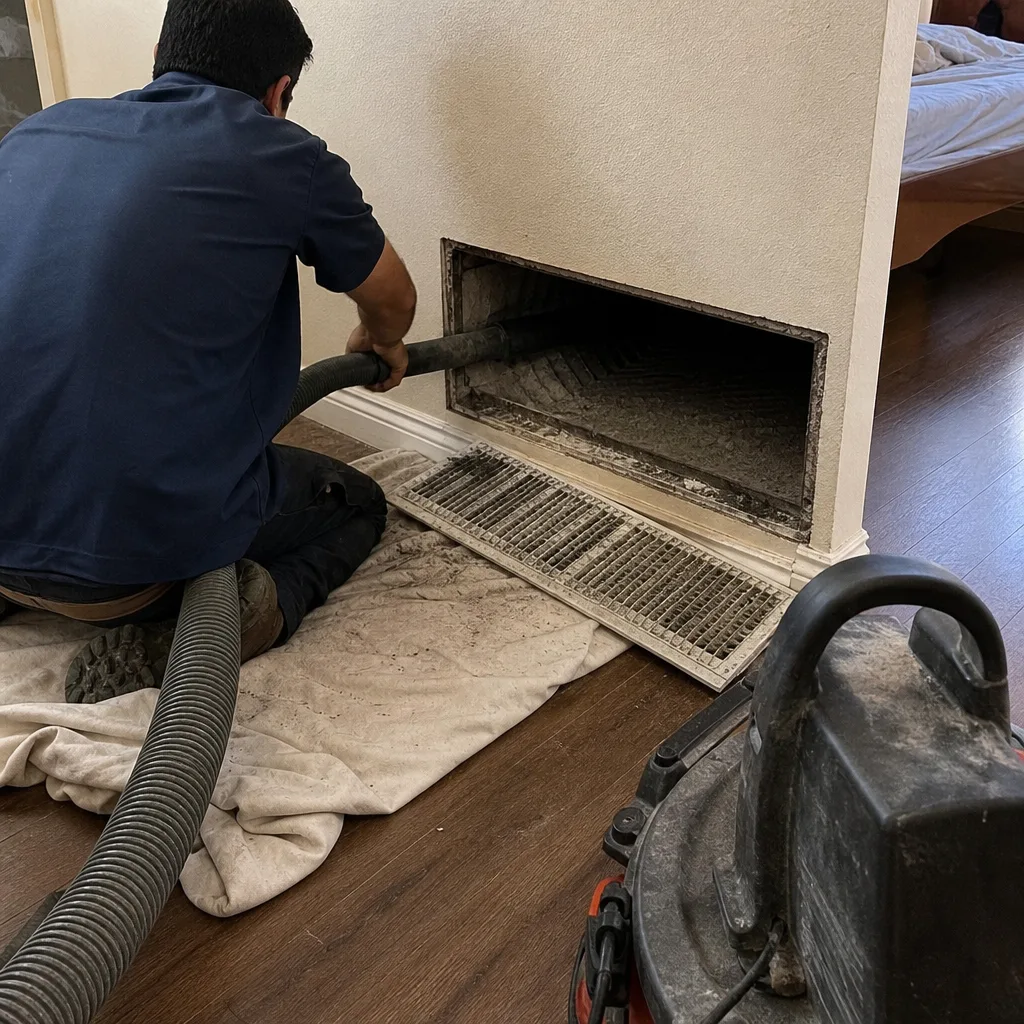 Before
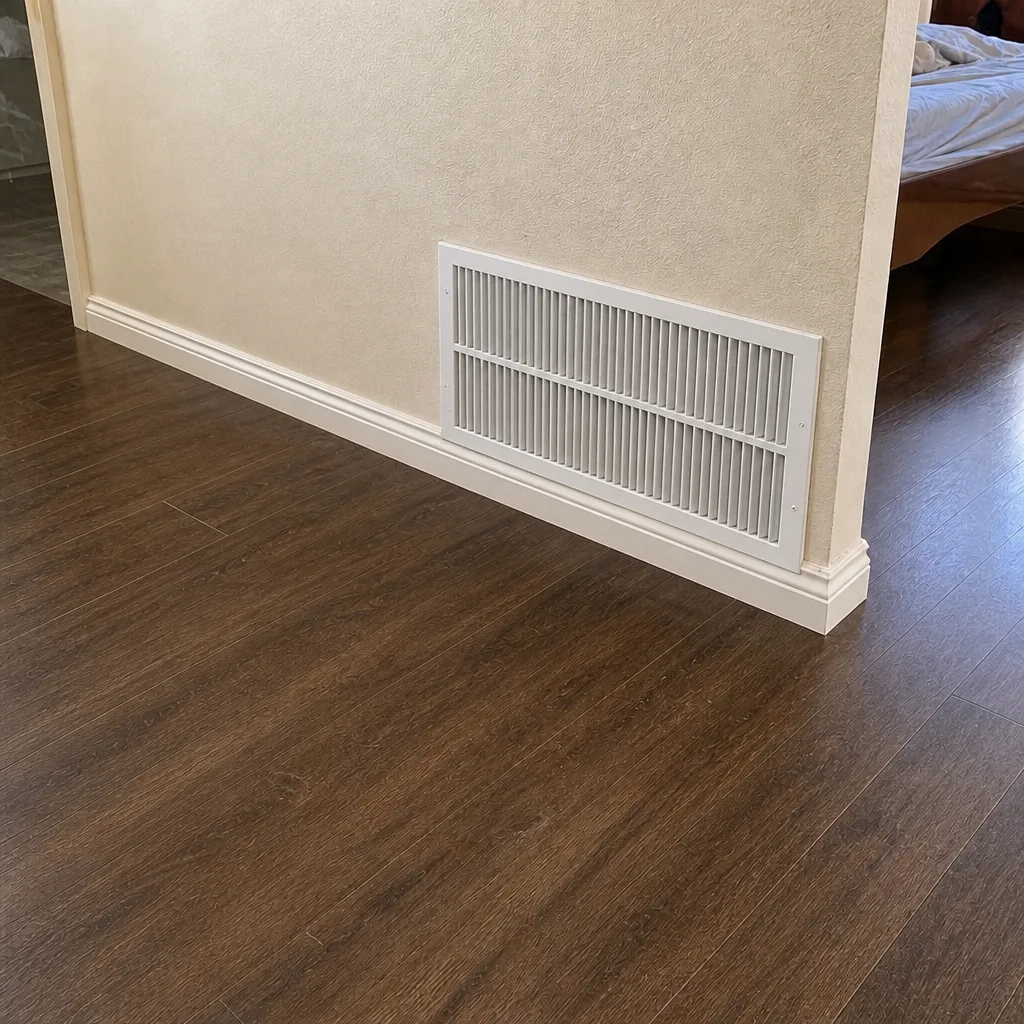 After