
Last updated November 5, 2026
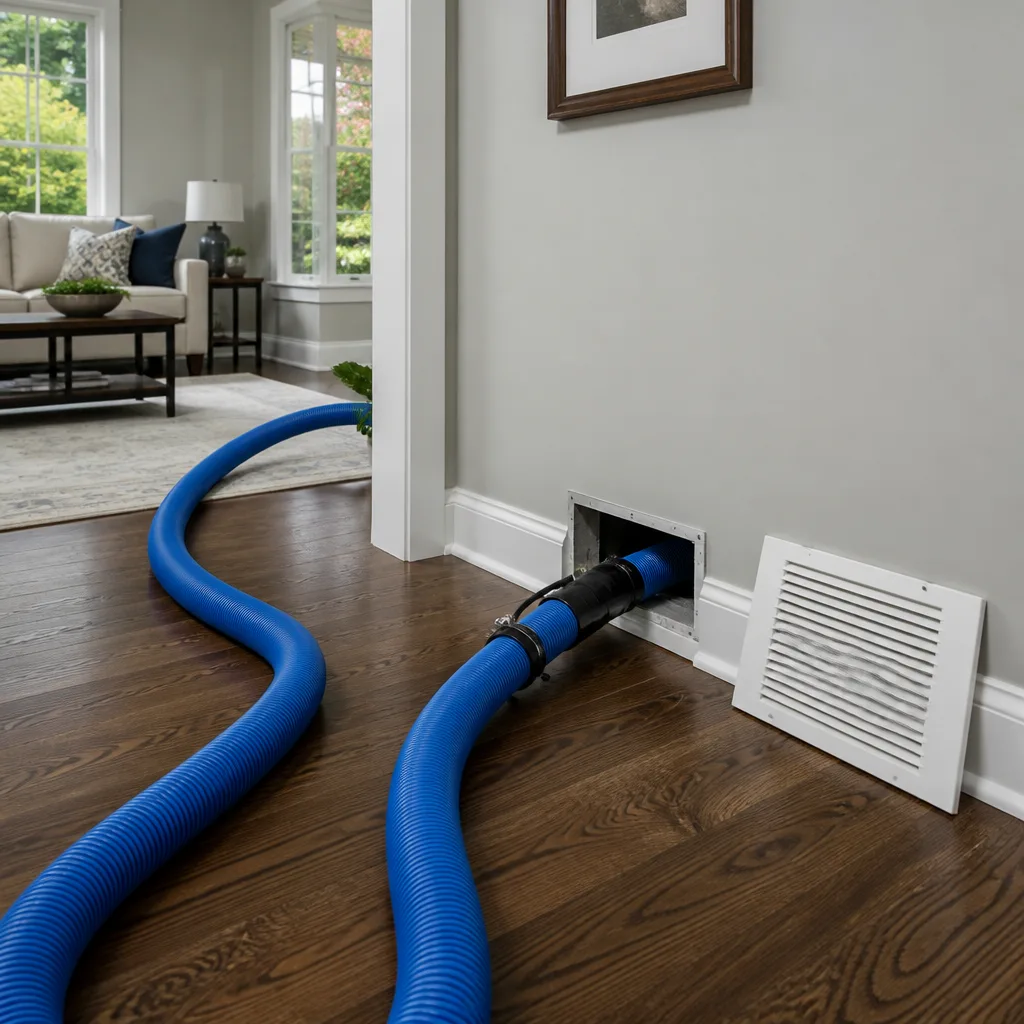 Whole-home duct cleaning
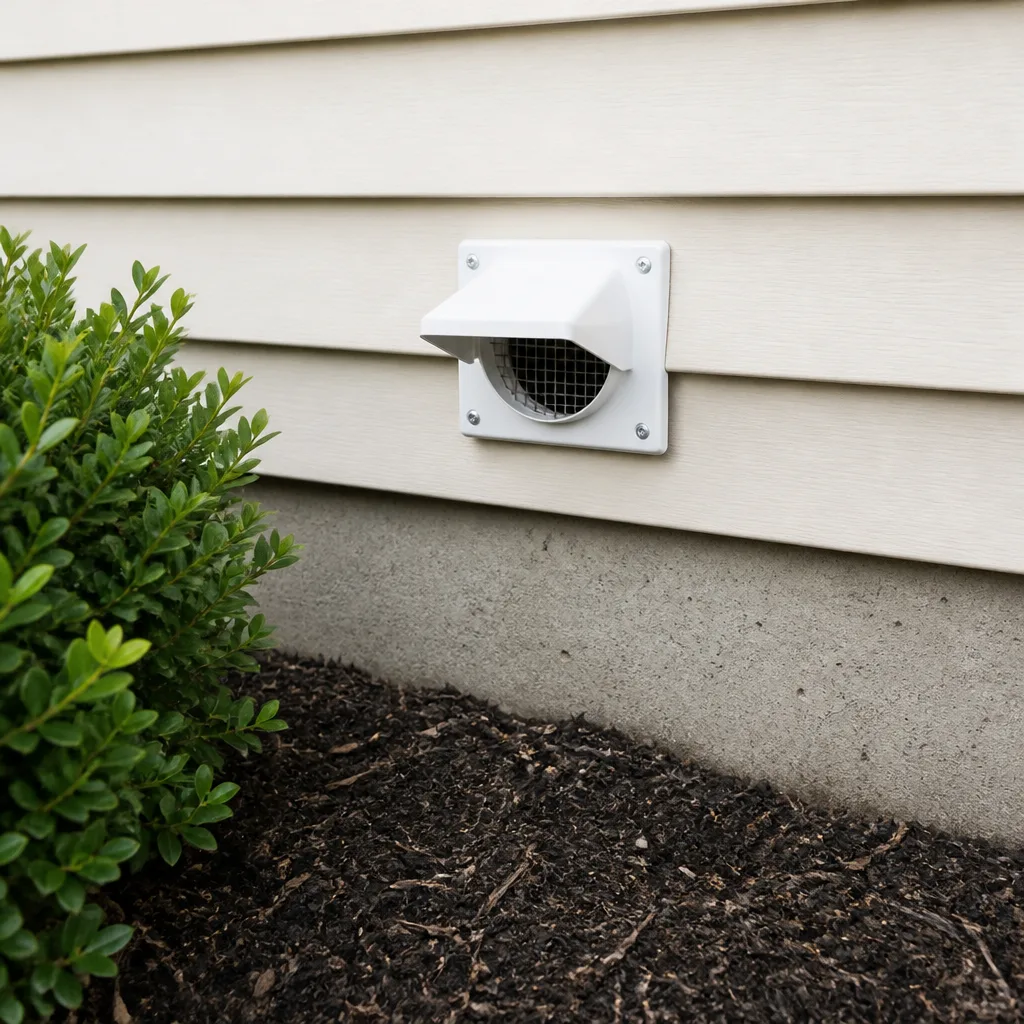 Dryer vent cleaning
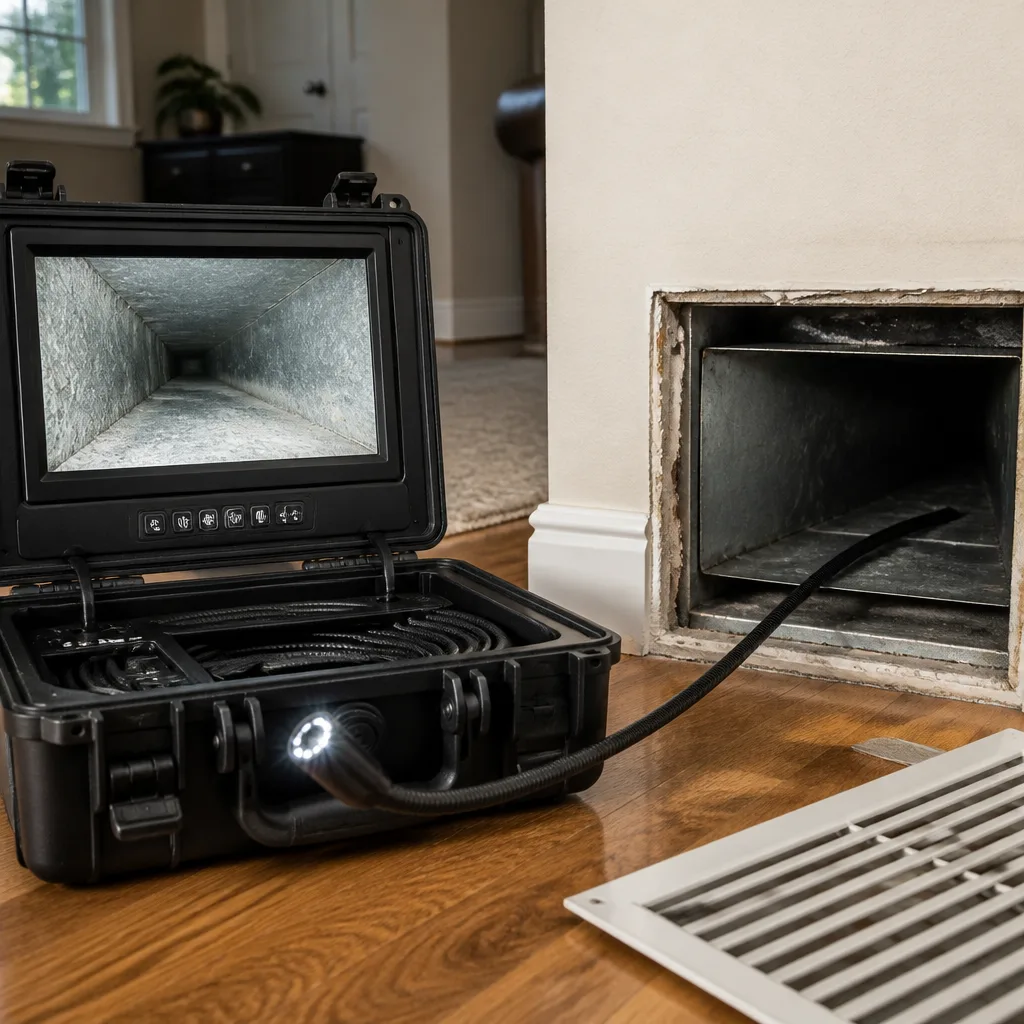 Camera inspection
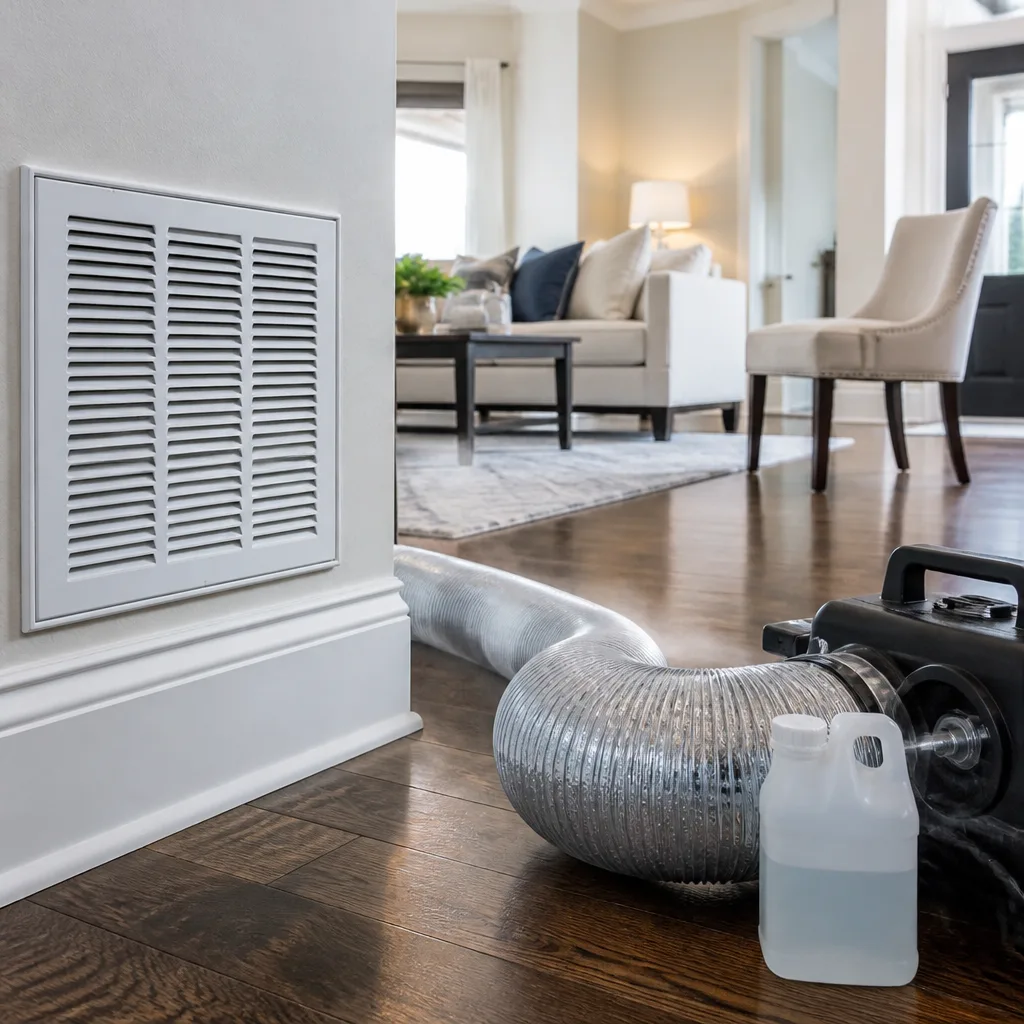 Sanitizing & deodorizing
Whole-system duct and dryer vent check with before-and-after photos - you see exactly what came out of your vents
That "$99 whole-house special" is a bait ad - the real number appears once they are in your hallway, or the "clean" is a shop-vac at the register. We photograph the inside of your ducts before and after instead.
The Complete Guide to Air Duct Cleaning in Corona
Most homeowners enter the duct cleaning conversation backwards. They call around for prices first, compare three numbers, and pick the middle one without ever asking what actually happens when a technician opens the system. The EPA has stated plainly that duct cleaning has never been proven to prevent health problems, yet the same agency outlines specific conditions where cleaning is warranted. Understanding that tension is the whole game. This guide explains what a legitimate duct cleaning job in Corona actually involves mechanically, why our climate creates a particular kind of contamination pattern, and how to tell the difference between source removal and a truck-and-blower operation that takes your money and leaves the real debris behind.
Quick Answer
Air duct cleaning in Corona typically costs $450 to $1,100 for a full system, depending on home size, number of returns, and contamination level. A legitimate job uses negative-air containment to keep debris from re-entering living spaces, mechanical agitation to break debris loose, and HEPA-filtered extraction to remove it. Homes in Corona with Santa Ana wind exposure, pets, recent construction, or occupants with allergies usually see the clearest benefit. A low flat rate below about $300 almost always signals a blow-and-go job that skips containment and contact brushing.
Styles & brands we work with
- Whole-home duct cleaning
- Dryer vent cleaning
- Camera inspection
- Sanitizing & deodorizing
Table of Contents
- What Actually Happens During a Professional Duct Cleaning
- Why Corona’s Climate Changes What’s Inside Your Ducts
- Source Removal vs. Blow-and-Go: The Difference That Matters
- The Equipment Question: Why Tools Determine the Outcome
- How to Read a Post-Cleaning Report
- When Duct Cleaning Is Genuinely Not Necessary
- Signs Your Corona Home Needs Duct Cleaning Now
- Common Mistakes to Avoid
What Actually Happens During a Professional Duct Cleaning
A real air duct cleaning job follows a mechanical sequence, not a vacuum-and-go routine. Understanding this sequence is how you evaluate any contractor who walks through your door in Corona. Here is the order of operations on a legitimate source-removal job, which is the standard set by NADCA, the industry’s trade association.
First, the technician sets up containment. This means sealing off supply and return openings and connecting a negative-air machine, typically an Abatement Technologies unit, to the trunk line. Negative air pressure means the system is under suction while work happens. Any debris knocked loose gets pulled toward the collection unit instead of floating back into your living room. Without this step, cleaning stirs up more particulate than it removes.
Second comes agitation. Debris inside ducts does not sit loose like dust on a shelf. It clings to duct walls, especially in return cavities where moisture and skin cells create a tacky film. A rotating brush system, like the cable-driven brushes on a Rotobrush or Nikro setup, physically contacts the duct walls and breaks that bond. Compressed air alone does not do this reliably, and a shop vac certainly does not.
Third is extraction. The loosened debris rides the negative air stream into the collection unit, which filters it through HEPA media before exhausting air. The HEPA component matters because it traps the fine particulate that ordinary filters blow right back through. Airborne mold spores, pollen fragments, and fine dust all stay in the canister instead of recirculating through the home.
Fourth is a visual inspection, ideally with a camera. A technician who cannot show you the before and after footage of your own ducts has not finished the job. You should see the interior surfaces clearly changed, not just told they are cleaner.
Why Corona’s Climate Changes What’s Inside Your Ducts
Duct contamination is not uniform across California. Coastal homes contend with moisture and marine-layer humidity. Corona sits inland, in the Inland Empire, and the contamination profile here is different in ways that matter for how often cleaning is genuinely needed and what kind of debris dominates.
Santa Ana winds are the biggest variable. These high-pressure systems sweep down through the passes and across the valley floor, carrying fine particulate from the dry inland basins. Filters load faster. Ducts in Corona homes with leaky return plenums pull that fine dust directly into the system, where it coats the interior surfaces. It is a dry, abrasive particulate, not the greasy kitchen-film buildup common in humid climates. That affects how it responds to brushing and how quickly it reaccumulates.
Low humidity cycles also play a role. Corona’s dry periods mean dust stays airborne longer inside the home. It does not settle onto surfaces as readily as it would in a humid environment. More airborne dust means more passes through the HVAC filter, and more bypass around filter frames that are not sealed tightly. Over years, the return side of the system accumulates material that never makes it to the filter.
We also see construction dust in many Corona homes, particularly in newer subdivisions and areas with ongoing development. Drywall dust is extremely fine and highly abrasive. It embeds in duct lining, collects at register boots, and persists for years after the remodel ends if the ducts were not sealed during construction. A recent renovation is one of the clearest reasons to have a full cleaning done.
Source Removal vs. Blow-and-Go: The Difference That Matters
The duct cleaning industry has a persistent low-end problem, and Corona is not immune. Companies advertise flat rates that seem too good to be true because they are. The job they perform is technically called air washing, and the industry nickname is blow-and-go. Here is how the two approaches differ, step by step.
- Containment: Source removal uses negative-air pressure from the start. Blow-and-go skips containment entirely. A technician cuts a hole in the plenum, jabs a compressed-air wand around, and hooks a vacuum to the register. Debris loosened inside the trunk line has no directed path out.
- Agitation: Source removal uses mechanical contact, rotating brushes that scrape the duct walls. Blow-and-go uses air pressure only. The wand knocks loose whatever is loose already and leaves the adhered film intact.
- Extraction: Source removal extracts through a HEPA-filtered negative-air unit. Blow-and-go uses a standard vacuum, often a portable unit brought to the job, with a basic filter or none. Fine particulate passes through the machine and back into the home.
- Documentation: Source removal includes before-and-after camera footage and a written report. Blow-and-go offers neither, usually because the after footage would be embarrassing.
- Price: Blow-and-go jobs in Corona are typically quoted under $300 for a full system. Source removal runs $450 to $1,100. The difference is not profit margin. It is the difference between doing the work and not doing it.
One honest way to evaluate a quote: ask what equipment the technician will use and whether they will provide camera verification. If the answer is vague, the job will be vague.
The Equipment Question: Why Tools Determine the Outcome
Duct cleaning is a mechanical trade. The outcome is governed by the machines used, and the gap between professional systems and consumer-grade workarounds is wide. This is where most homeowners cannot evaluate what they are paying for, because the equipment never appears in the marketing.
A proper duct cleaning company runs purpose-built systems from manufacturers like Rotobrush and Nikro. These are cable-driven rotating brush units designed specifically for duct interiors. The brushes are sized to the duct dimensions, the cable feeds through long runs, and the agitation is consistent across the entire span, not just near the register openings. A technician with a Rotobrush system can reach the full length of a trunk line and the branch runs. A technician with a drill attachment and a pancake compressor cannot.
Containment is the second tool difference. Abatement Technologies builds negative-air machines and HEPA-filtered air scrubbers for the remediation industry, where cross-contamination is a liability issue. Using that standard in residential duct cleaning means the debris leaves the home through a filter, not through the air around the technician’s knees. It is the difference between cleaning and rearranging.
It is worth understanding what professional equipment does not do. It does not make a mess, it does not require cutting oversized access holes in every room, and it does not take twelve hours. A standard two-story Corona home with accessible ducting is a half-day job with the right gear. Longer is not better. Dirtier is not more thorough.
How to Read a Post-Cleaning Report
A legitimate contractor leaves documentation. Not a flyer, not a handwritten receipt with “cleaned ducts” on it. A report that tells you what was found, what was done, and what remains. Here is what that report should include and what each section means.
- Scope of service: Which ducts were cleaned, which were inspected, and which were excluded. If the return side was worse than supply, the report says so. If a certain branch run could not be accessed, the report lists it. Anything less is a marketing handout.
- Before and after photography: Still images or video from the duct interior. You should be able to see the difference, not just be told about it. A company that uses camera verification has nothing to hide. A company that does not, does.
- Contamination notes: What was actually found. Dust accumulation, drywall dust, pet hair concentration, visible mold growth, deceased rodents, construction debris. The report should be specific because the finding drives the recommendation.
- Filter condition: A good technician records the filter status and notes whether the filter was properly seated. A collapsed filter or one installed backwards affects every part of the system’s air quality.
- Repair recommendations: This is where the report becomes more than a receipt. Duct cleaning often reveals problems: disconnected runs, crushed flex duct, gaps at boots, torn insulation. A company that can diagnose and repair those findings saves you a second appointment and a second contractor.
We clean ducts, and if the camera shows compromised ductwork, we fix it. That is the repair capability that separates a trade contractor from a cleaning service that only knows how to vacuum. The report is the paper trail that tells you which one you hired.
When Duct Cleaning Is Genuinely Not Necessary
The honest contractor tells you when not to buy the service. This is the test that separates professionals from salespeople. Duct cleaning is not an annual maintenance item for most homes. It is not a routine tune-up. It is a corrective service for specific, identifiable conditions.
If you have lived in your Corona home for three years, changed filters regularly, have no pets, no allergy symptoms, no recent construction, and no visible dust at the registers, your ducts are probably fine. A camera inspection will confirm it. No legitimate company should pressure you into cleaning a system that does not need it.
What maintains a clean system between cleanings is filtration. A quality media filter, properly seated in a sealed filter slot, does more for duct cleanliness than any annual cleaning ever will. In homes with allergy concerns, upgrading to a whole-home filtration product from Honeywell or Aprilaire changes the air quality equation more than duct cleaning alone. We work with both brands because the question is rarely just “should I clean” and more often “what should the whole approach be.”
Dryer vent cleaning is the one service that follows a different logic. It is fire-safety maintenance, not air quality maintenance. A dryer vent that has not been cleaned in years is a hazard regardless of how the rest of the house systems look. That service stands on its own timeline.
Signs Your Corona Home Needs Duct Cleaning Now
Some conditions justify duct cleaning without debate. These are the observable, mechanical signs that the system has accumulated material that affects performance or air quality.
- Visible dust at supply registers: If grey or brown particulate is visibly clinging to the register louvers and the surrounding ceiling or wall, the ducts are pushing debris into the living space. That fine material is not coming from the room. It is coming from the ducts.
- Drywall dust after a remodel: Corona’s construction activity means many homes have had sheetrock work, flooring replacement, or full remodels. Drywall dust is so fine it bypasses standard filters and settles in the duct system where it stays for years. If you renovated and did not seal off the duct runs, assume the system is contaminated.
- Uneven airflow between rooms: One bedroom always cold, another always warm, regardless of register settings. That pattern often points to a restriction inside the duct, sometimes crush damage, sometimes years of accumulation at a turn or boot. The camera tells you which.
- Musty odor from vents when the system cycles: An odor that appears when the blower runs, and fades when it stops, originates inside the system. In Corona’s dry climate this is less about ambient humidity and more about a specific point of contamination, often a dead rodent in a return cavity or a damp filter that sat too long.
- Allergy symptoms that improve away from home: If symptoms consistently reduce when you are away for a few days and return when you are home, airborne particulate inside the house is a suspect. Ducts are one pathway, though not the only one.
- No service history and the home is older: A Corona home built in the 1990s or earlier, with original ducting and no cleaning record, likely has material in the system. A camera inspection is cheap relative to what it reveals.
Common Mistakes to Avoid
- Hiring on price alone. The low bidder in corona duct cleaning is low for a reason. Blow-and-go companies survive on volume and rely on homeowners not knowing the difference between air washing and source removal. If the quote is half the price of the next one, ask what step is being skipped.
- Skipping the camera verification. A company that will not show you before and after footage is a company that does not want you to see the after. Demand photos. A real contractor is proud of the work.
- Believing duct cleaning is an annual requirement. It is not. A properly maintained system with good filtration may need cleaning once every five to seven years, or after specific events like construction. Anyone selling duct cleaning on a subscription basis is selling a service that does not need to be delivered that often.
- Treating dryer vents as a footnote. A dryer vent cleaning is not an add-on to a duct job. It is a standalone fire-safety service with its own equipment needs and its own inspection points. Clean the vent on its own schedule, not only when the ducts get cleaned.
- Ignoring filter quality. The cheapest fiberglass filters do almost nothing for fine particulate. A media filter with a MERV rating appropriate for your system is the single most cost-effective air quality improvement you can make. Cleaning ducts without fixing filtration means the contamination comes back sooner.
- Assuming any HVAC company does duct cleaning well. Most HVAC contractors treat duct cleaning as a side service. The crew that installs furnaces is not necessarily equipped with Rotobrush or Nikro systems, and their containment practices may be nonexistent. A focused duct cleaning specialist does this work as the core craft, not a line item.
See the difference
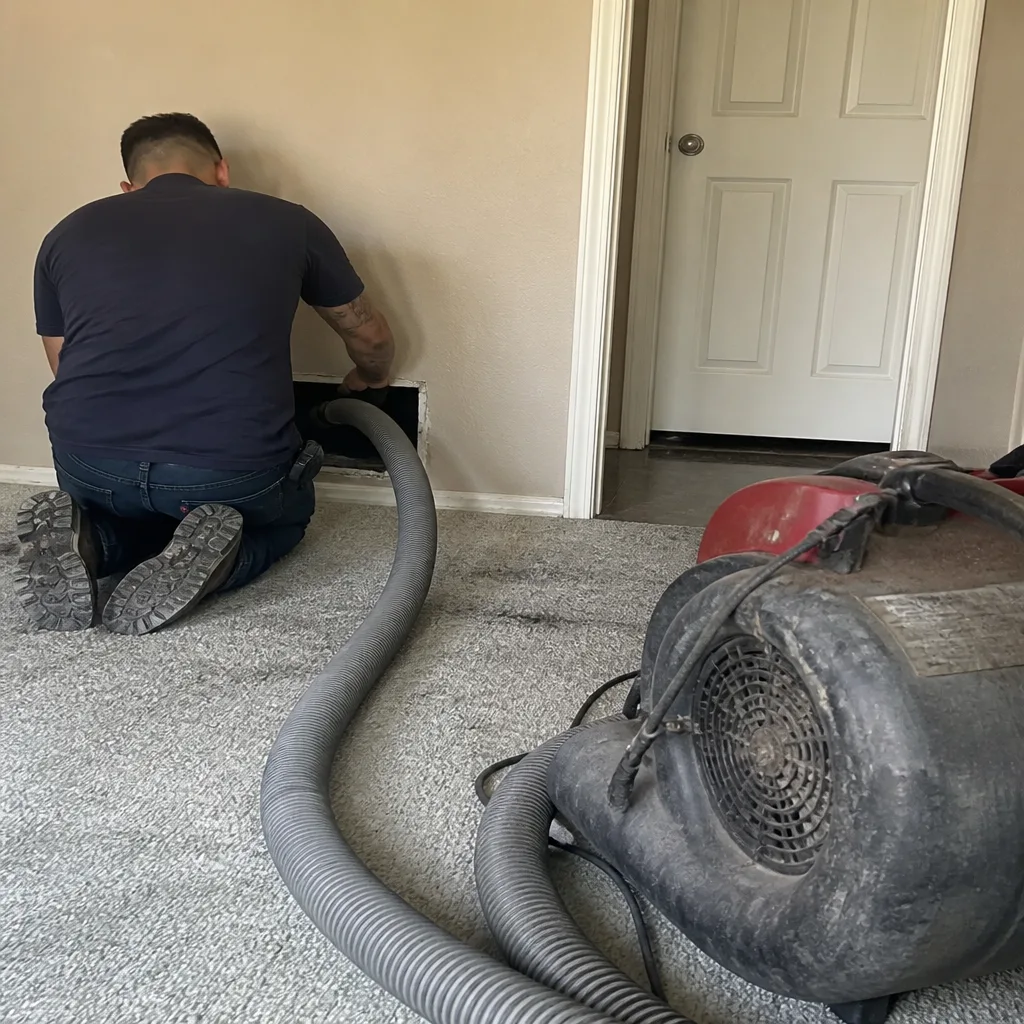 Before
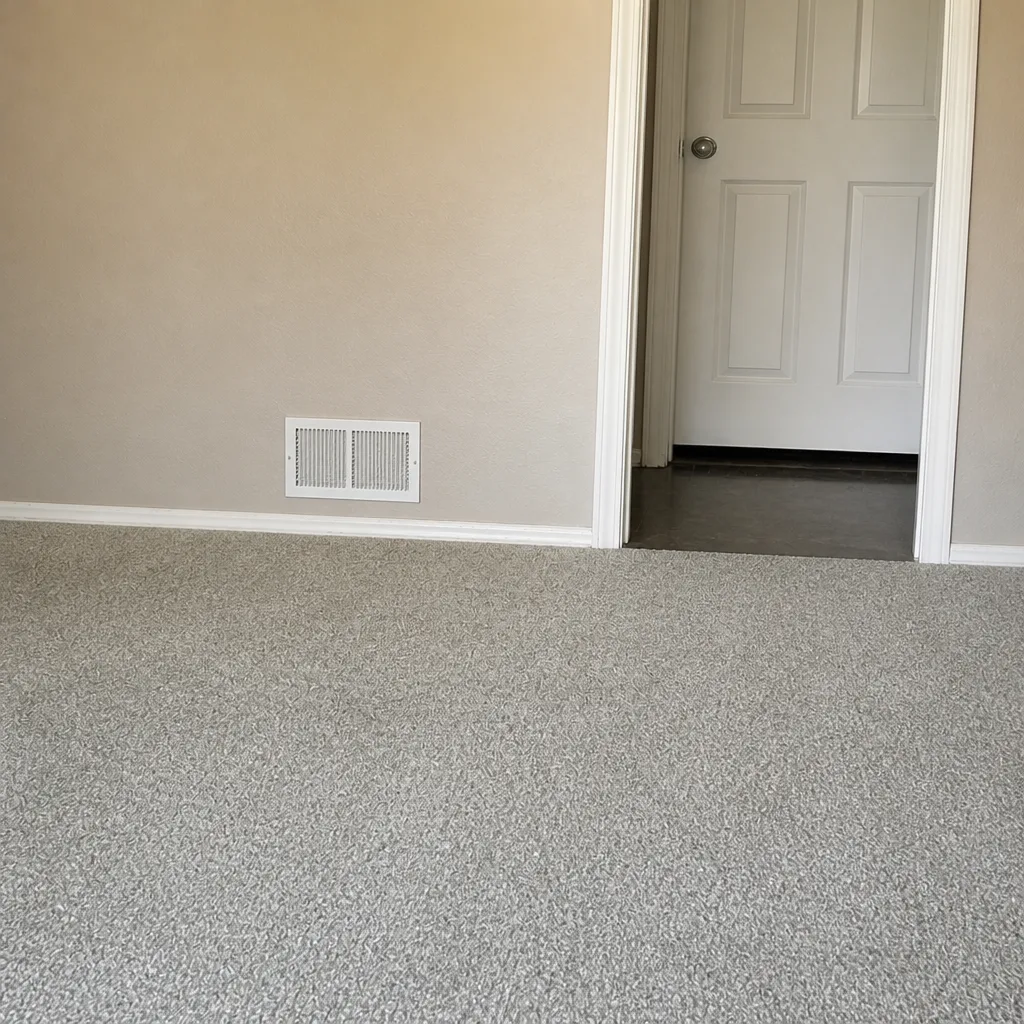 After
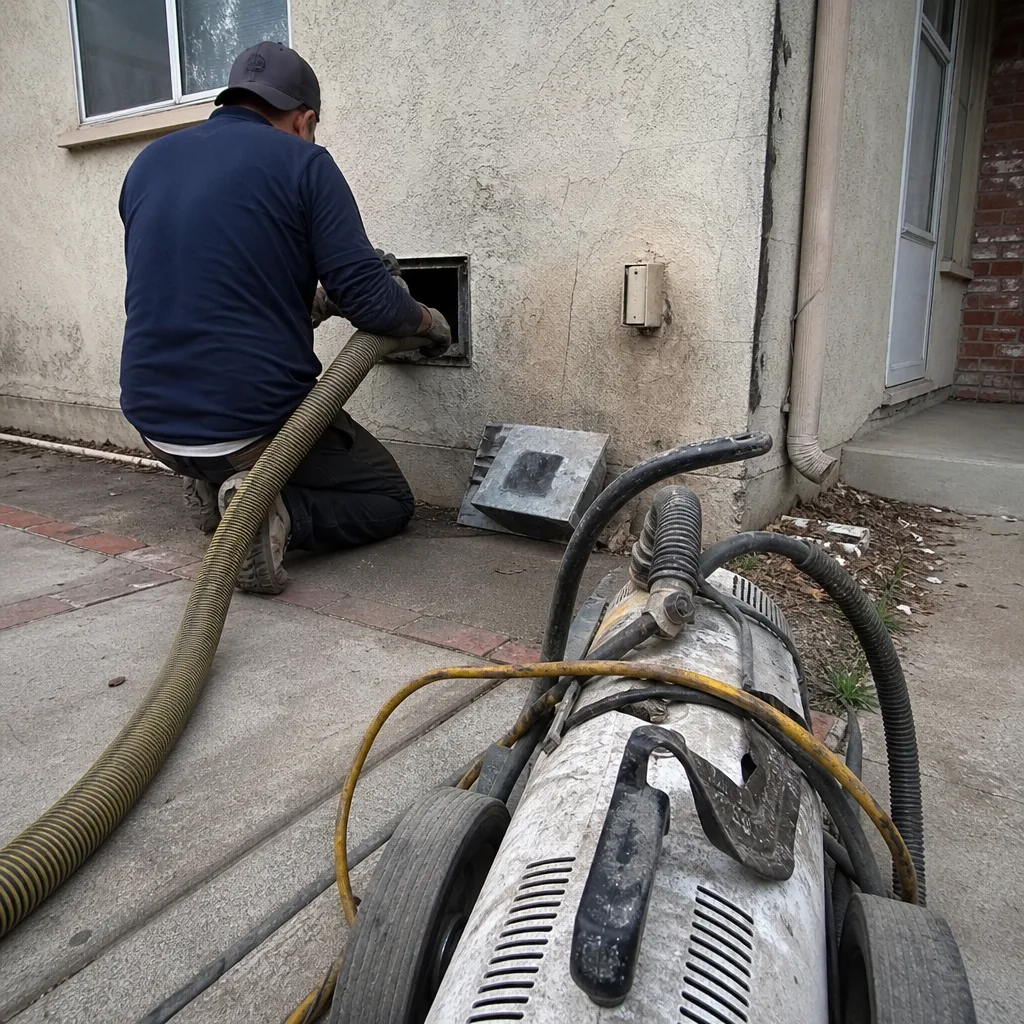 Before
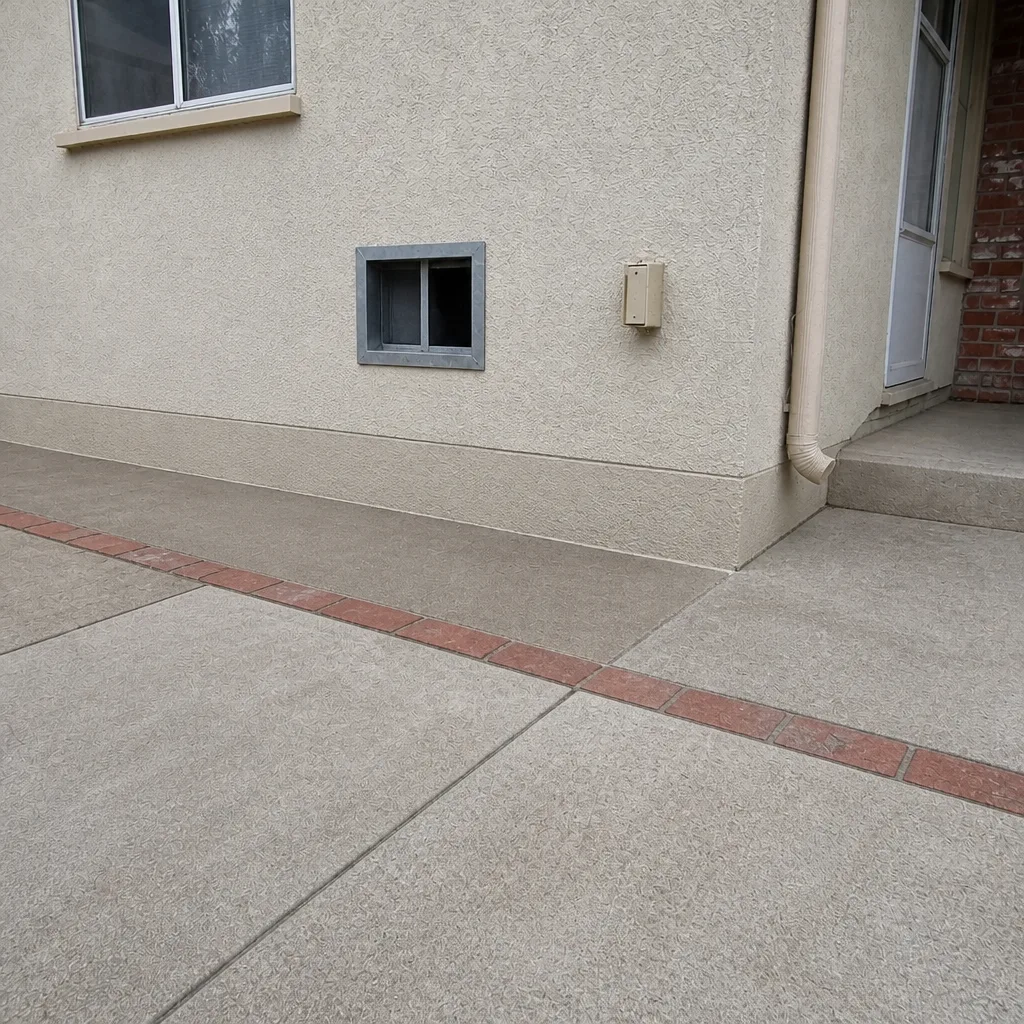 After
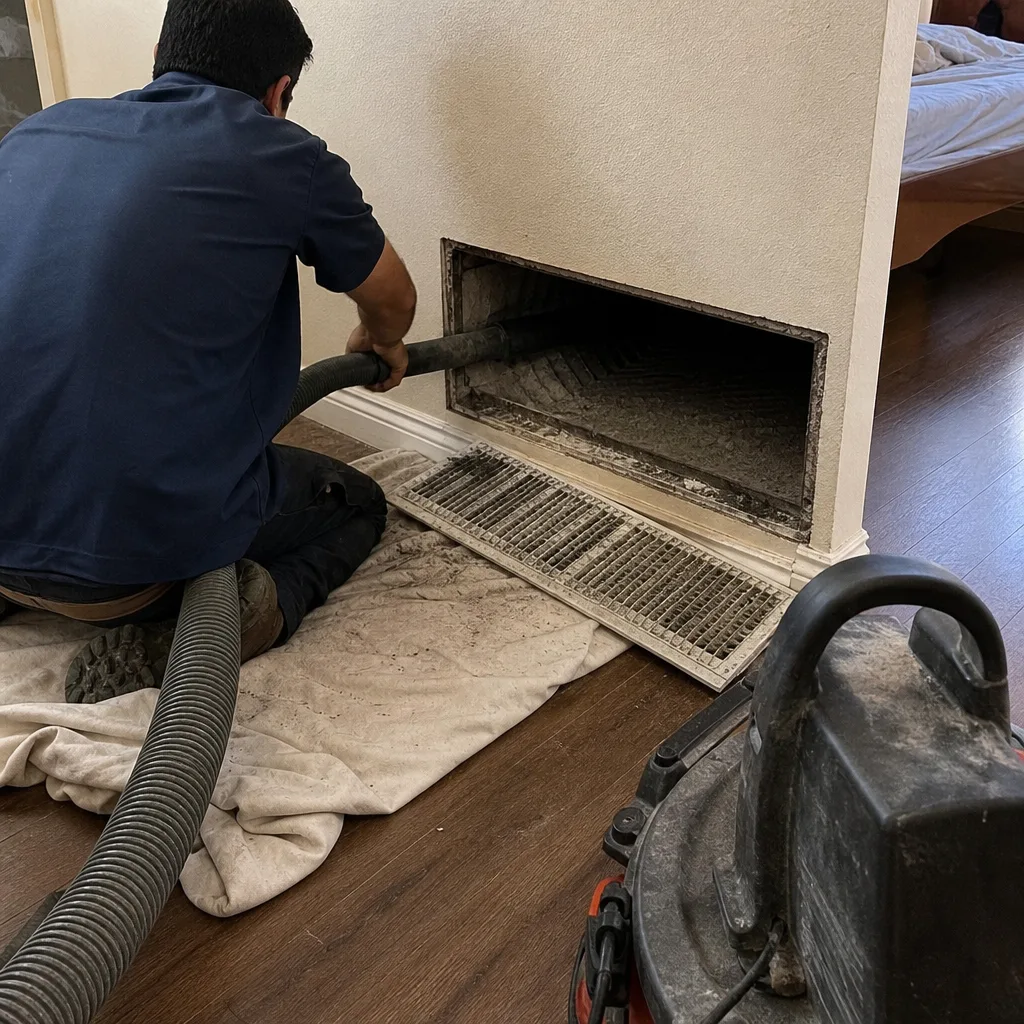 Before
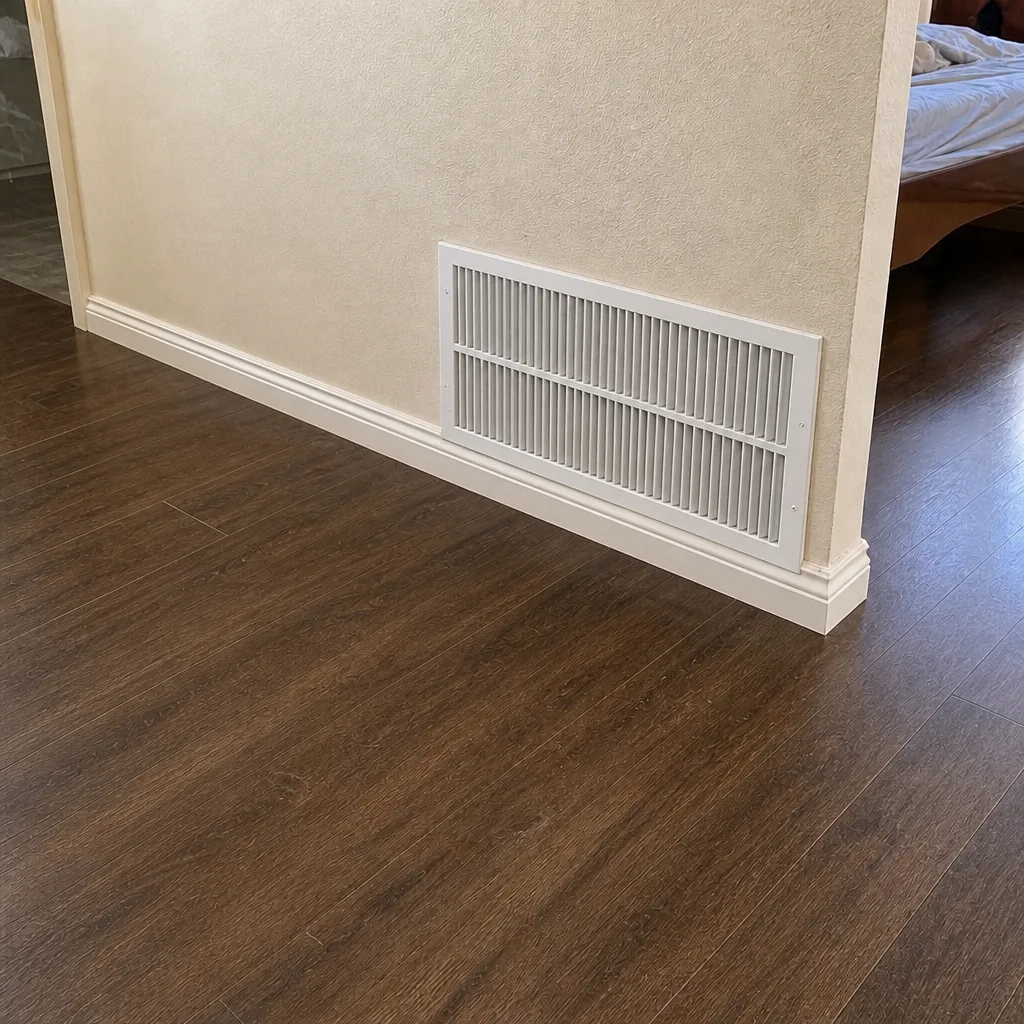 After
When to Call a Professional
Call a professional when you see material at the registers, when airflow between rooms is visibly uneven, when a remodel has left drywall dust in the system, when a musty odor occurs only during system cycles, or when allergy symptoms track with time spent in the home. If your home has gone more than five years without a camera inspection and you have not seen the inside of your own ducts, that inspection is the place to start. Duct Cleaning Corona offers free estimates in Corona. Call (855) 923-0983. We answer 24/7. Fast dispatch from 7am to 7pm, Sunday through Friday.
Frequently Asked Questions
Full-system air duct cleaning in Corona typically runs $450 to $1,100 depending on the size of the home, the number of returns, and the contamination level. Smaller single-story homes with accessible ducting fall at the lower end. Larger two-story homes or systems with heavy construction dust fall higher. Any quote below $300 for a full system should raise questions about what is being skipped. The written estimate sets the final price, and the estimate is free. Call (855) 923-0983 for an exact quote.
You know because the contractor shows you before-and-after camera footage of your own duct interiors, and leaves a written report listing what was found, what was cleaned, and any repair recommendations. If a company cannot produce photos or a report, there is no way to verify the work happened, and there is no reason to trust that it did. This is a non-negotiable part of a legitimate job.
Because they are taking shortcuts. The low-priced jobs skip negative-air containment, use compressed air instead of mechanical brushing, and extract with a standard vacuum instead of HEPA filtration. The result is that a portion of the debris gets stirred up and left behind in the home. The price difference is real. The work difference is also real. Source removal costs more because it does more.
Not annually. Most homes benefit from a full cleaning every five to seven years, or following specific events like a major remodel, a pest infestation in the ductwork, or a period where the system ran without proper filtration. Between cleanings, the most important maintenance is filter quality and filter seating. A good filter in a properly sealed slot does more for long-term duct cleanliness than frequent cleaning. Call (855) 923-0983 for an honest assessment of whether your system actually needs it.
It can, when the system has accumulated material that is being pushed into the living space when the blower runs. If register dust is visible and symptoms track with time at home, cleaning removes a real airborne particulate source. But cleaning is not a cure, and the EPA rightly notes that duct cleaning has never been proven to prevent health problems. The more effective long-term move for allergy sufferers is often upgraded filtration from Honeywell or Aprilaire, combined with cleaning when the ducts show actual contamination. Call (855) 923-0983 to discuss what your specific system needs.
Yes. If the camera inspection finds disconnected runs, crushed flex duct, gaps at register boots, or torn insulation, those issues can be fixed in the same visit. Most duct cleaning companies can only report the problem and refer you elsewhere. We clean it, and if it is broken, we fix it. That repair capability changes the service from a maintenance call into a full system correction.
The Bottom Line
Duct cleaning in Corona is worth doing when the system actually needs it, and the only way to know is to look inside. Source removal with negative-air containment and mechanical brushing is the standard worth paying for. Blow-and-go is a waste of money at any price. The climate here, with Santa Ana winds and dry inland conditions, creates a specific contamination pattern that most coastal-facing guides never address. Between cleanings, filtration does the heavy lifting. And the contractor you hire should be able to show you the work, document the findings, and repair the system if the camera reveals damage. Anything less is not a complete job.
Written by the team at Duct Cleaning Corona, serving Corona since 2012.