
Last updated November 5, 2026
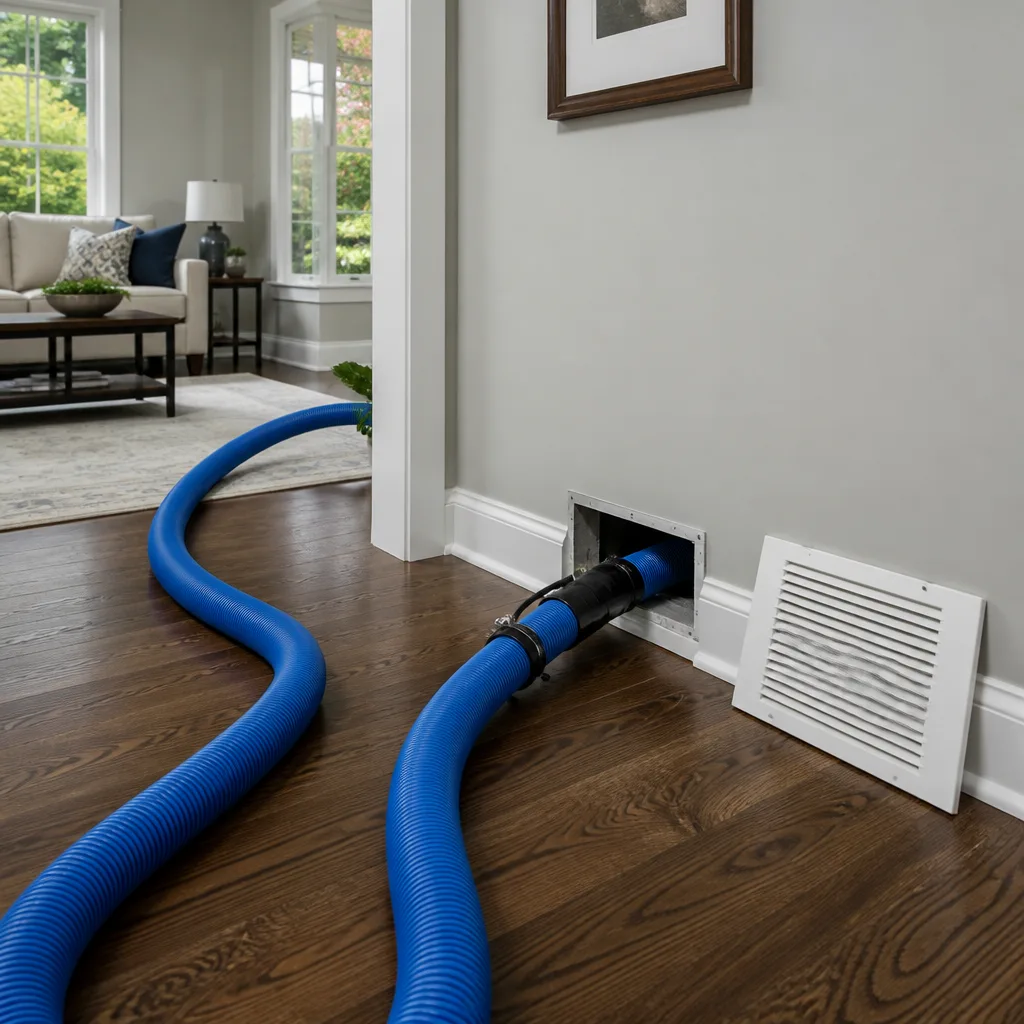 Whole-home duct cleaning
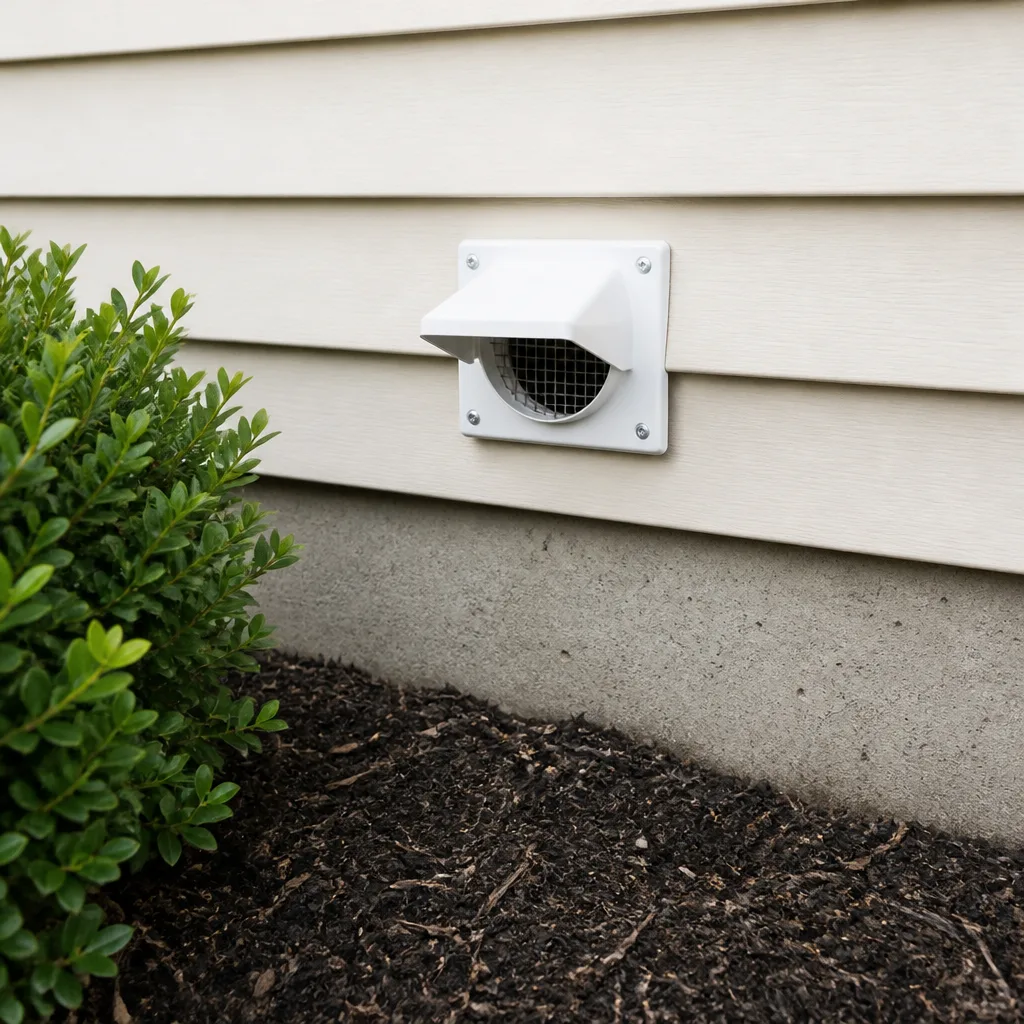 Dryer vent cleaning
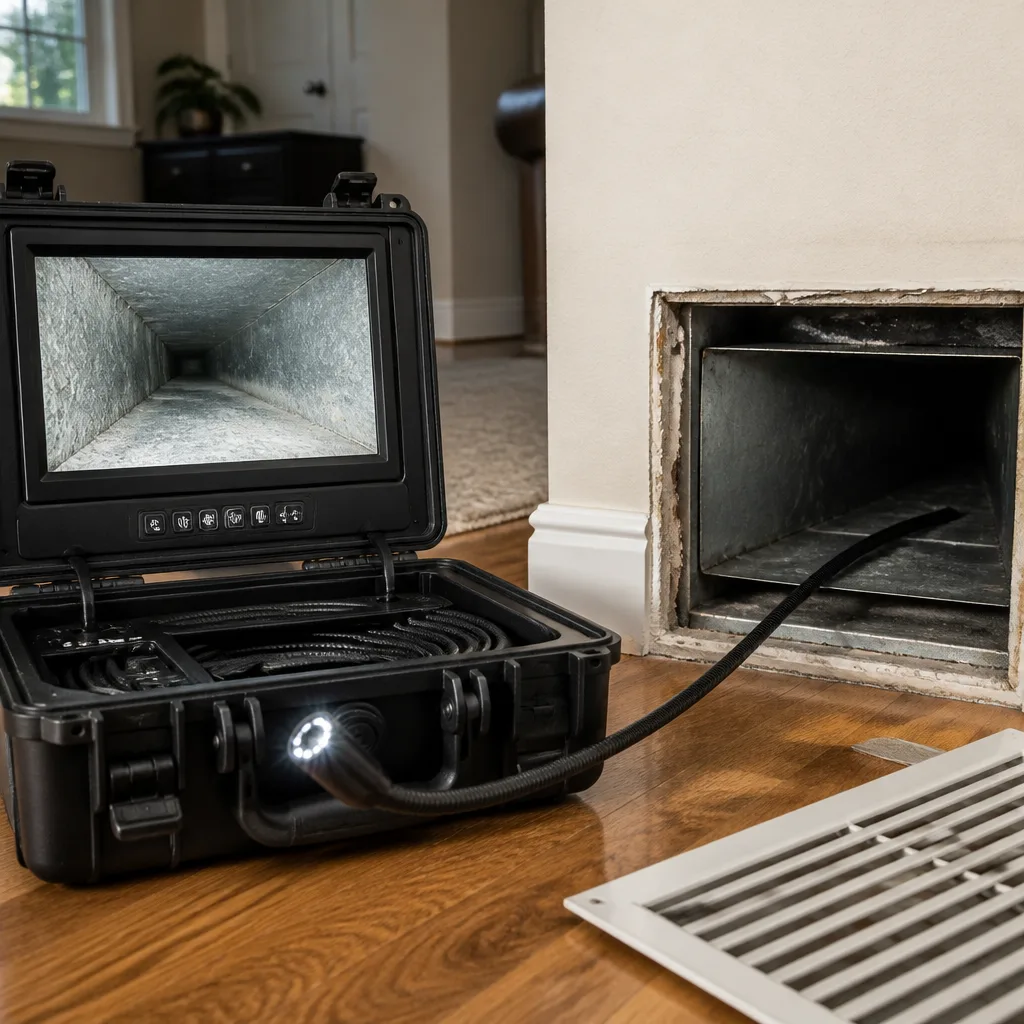 Camera inspection
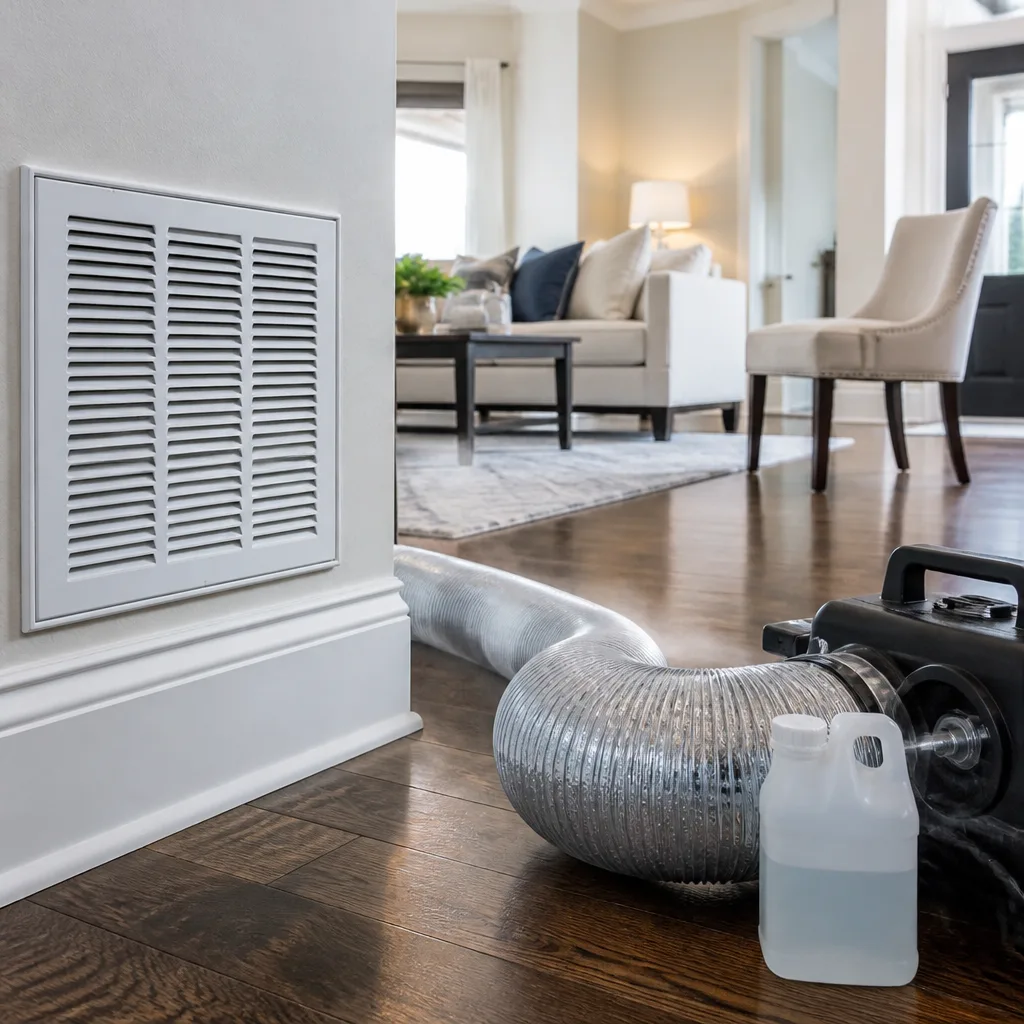 Sanitizing & deodorizing
Whole-system duct and dryer vent check with before-and-after photos - you see exactly what came out of your vents
That "$99 whole-house special" is a bait ad - the real number appears once they are in your hallway, or the "clean" is a shop-vac at the register. We photograph the inside of your ducts before and after instead.
Seasonal Air Duct Cleaning Care for Corona: Year-Round Homeowner’s Guide
The conventional wisdom about air duct cleaning follows a calendar written for places with brutal winters and swampy summers. In Corona, that calendar is wrong. The highest-risk contamination window here runs from October through December, not spring. What follows is a season-by-season breakdown of what actually accumulates in your ductwork, when it happens, and why timing your service around Corona’s specific climate patterns matters more than following generic HVAC advice. By the end, you’ll know exactly what to inspect after a Santa Ana event, why summer is harder on your ducts than you think, and how to avoid paying for a cleaning that gets undone by your own filter habits.
Styles & brands we work with
- Whole-home duct cleaning
- Dryer vent cleaning
- Camera inspection
- Sanitizing & deodorizing
Quick Answer
Seasonal air duct cleaning in Corona should be timed around three local factors: Santa Ana wind events that push fine particulate into return systems between October and December, continuous summer AC operation that bakes debris onto horizontal duct runs, and the heating-to-cooling transition each spring. Most Corona homes benefit from professional cleaning every 2 to 5 years, with visual inspections after major wind events and at seasonal HVAC changeovers.
Table of Contents
- The Real Corona Contamination Calendar
- Santa Ana Season: The October-to-December Risk Window
- Summer Cooling Season: What 90-Degree Days Do to Ductwork
- Winter Heating Season: The Gas Furnace Startup Problem
- The Spring Transition Check: Heating to Cooling
- Timing Cleaning Against Filter Change Cycles
- Common Mistakes to Avoid
- When to Call a Professional
- Frequently Asked Questions
- The Bottom Line
The Real Corona Contamination Calendar
Corona sits inland, east of the Santa Ana mountain range, where the climate does things that confuse standard HVAC advice. We don’t get freeze-thaw cycles or ice dams. We get long stretches of 90-degree-plus heat, dry air that keeps dust suspended, and wind events that carry fine particulate from the high desert and the Inland Empire’s open spaces. None of that shows up on a generic duct cleaning schedule.
Here’s what actually drives duct contamination in Corona:
- Wind-driven particulate: Santa Ana events from October through December push dust, pollen, and fine debris through exterior gaps and into return air pathways. This isn’t slow accumulation; it’s event-driven loading that can add visible debris in a matter of days.
- Continuous cooling operation: From June through September, AC systems run for extended stretches. Air moving through ducts at speed deposits particulate on surfaces, especially in horizontal runs where gravity helps debris settle.
- Shoulder-season gaps: Spring and fall are mild in Corona. Systems cycle less, and that’s precisely when dust settles and compacts rather than staying airborne. What settles in March is baked on by July.
- Construction and landscape dust: Newer developments, road work, and the region’s exposed soil contribute a constant background level of fine dust that works its way into homes and duct systems.
The practical takeaway: if you’re waiting for “spring cleaning season” to think about your ducts, you’re tracking a schedule that doesn’t apply here. The crews at Duct Cleaning Corona see the heaviest contamination reports in late fall and mid-summer, not April.
Santa Ana Season: The October-to-December Risk Window
Santa Ana winds are the single biggest seasonal variable for duct cleanliness in this part of the Inland Empire. When high pressure builds over the Great Basin, air flows downhill toward the coast, warming and drying as it moves. By the time it reaches Corona, it’s carrying whatever the high desert and foothills are willing to give up – fine dust, pollen, and particulate small enough to stay suspended for miles.
What happens next is straightforward. Homes are not perfectly sealed. Wind-driven air finds its way through attic vents, crawl space openings, and the small gaps around exterior doors and windows. When your HVAC system runs, it pulls air from inside the home through the return registers. If wind-driven particulate has entered the building envelope, the return system ingests it, and the ductwork distributes it.
What to inspect after a Santa Ana event:
- Return grilles: Remove a return cover and check for a visible film of fine dust. Santa Ana particulate is often lighter in color than household dust and accumulates quickly on grille surfaces.
- Air filter condition: A filter that was clean a week before a wind event might look loaded afterward. If it does, that particulate has also moved past the filter if the filter isn’t sealing correctly.
- Supply registers: Look for dust streaking on walls or ceilings near supply openings. This indicates fine particulate moving through the system and depositing as air velocity drops at the register face.
- Odor changes: Santa Ana winds can carry organic material that settles in ducts and produces a faint musty smell when the system cycles. This is different from a persistent mechanical smell and often clears after cleaning.
If you find evidence of wind-driven loading, don’t wait for a scheduled maintenance visit. The longer fine particulate sits in ducts, the more it binds with existing dust and compacts. A professional air duct cleaning after a significant Santa Ana season removes the event-driven load before it becomes a baked-in layer.
Summer Cooling Season: What 90-Degree Days Do to Ductwork
Corona summers are long and hot. Air conditioning isn’t a luxury here; it’s a continuous process from June through September, sometimes into October. That continuous operation changes how ducts accumulate debris compared to climates where AC cycles on and off through a mild summer.
Three mechanisms matter in sustained heat:
- Sustained airflow deposition: Air moving through ducts carries particulate. When air moves continuously for weeks, the total mass of particulate passing through the system is enormous compared to shorter cooling seasons. A small percentage of that mass deposits on duct surfaces, and small percentages of large totals add up.
- Heat-driven adhesion: Attic temperatures in a Corona summer regularly exceed 130 degrees. Ducts routed through unconditioned attic space get hot, and hot surfaces hold dust differently than cool ones. Particulate that would otherwise stay airborne can bake onto warm duct walls.
- Horizontal run settling: Ductwork in most Corona homes includes long horizontal runs through attics and crawl spaces. Air moving through a horizontal run deposits heavier particulate on the bottom surface as velocity drops around bends and transitions. Summer’s continuous airflow means more deposition in these runs.
What this means for maintenance timing: if you’re going to clean ducts once per year in Corona, the logical window is late September or early October. That’s after the summer deposition peak and before Santa Ana season adds another layer. Cleaning in late spring here means your freshly cleaned ducts get a full summer of loading before you hit the wind event season.
Winter Heating Season: The Gas Furnace Startup Problem
Corona winters are mild by national standards, but nights dip low enough that gas furnaces see real use from November through February. That seasonal shift from cooling to heating creates a specific contamination event that most homeowners never see coming.
Here’s what happens. During cooling season, the evaporator coil runs cold and wet. Condensation helps trap particulate on the coil surface, and some of that material dries and flakes as the season winds down. When the system shifts to heating mode, the gas furnace’s heat exchanger fires up after months of sitting idle. The first few heating cycles bake that dried residue – dust, skin cells, pollen fragments, whatever accumulated on the coil – directly onto the hot heat exchanger surface.
If you’ve ever noticed a brief burning smell the first few times your furnace kicks on in late fall, that’s what you’re smelling. The odor usually fades as the material carbonizes and stops off-gassing. But the material doesn’t disappear. It stays on the heat exchanger, and that baked layer can contribute to reduced heat transfer efficiency and a persistent background odor through the heating season.
The time to inspect is at furnace startup, not mid-season. If the burning smell persists beyond a few cycles, or if it returns every time the furnace runs, that’s a sign the heat exchanger and adjacent duct surfaces have enough accumulated material to warrant professional attention. A focused duct system cleaning before heating season can remove the source material before the first startup bakes it on.
The Spring Transition Check: Heating to Cooling
Spring in Corona is the season when systems get ignored. The furnace stops running, the AC hasn’t started, and the mild weather means nobody’s thinking about indoor air. That’s a mistake, because the heating-to-cooling transition is when problems become visible if you know where to look.
What to check when your system shifts from heat to cool:
- Heat exchanger zone: During heating season, the furnace compartment collects dust from air moving through the system. Before cooling season starts, have a look at the area around the furnace and the heat exchanger. Visible dust accumulation here means it’s also moving into the supply ducts.
- Evaporator coil condition: The coil sits downstream of the filter in most systems. If the filter wasn’t doing its job through winter, the coil is where the bypassed particulate landed. A dirty coil reduces cooling efficiency from day one of the season.
- Condensate drain line: Cooling season means condensation. If the drain line is clogged with dust and debris from heating season, you’ll get water backing up into the coil pan and potentially into surrounding materials. This is one of the most common spring failures we see in Corona homes.
- Return duct runs: Heating season pulls air from inside the home. Dust that settled in return ducts during winter gets pulled deeper into the system as soon as the AC starts moving more air. A pre-cooling check tells you what’s about to recirculate.
- Supply register airflow: When the AC first kicks on, check airflow at the registers. Weak airflow at one or two registers after a season of normal heating often indicates partial blockage in that specific duct run.
The spring transition is the right time to change filters, inspect the coil, and clear any visible debris from the furnace compartment. If the inspection shows significant accumulation, scheduling professional duct cleaning before cooling season means you’re not running a whole summer’s worth of air through a dirty system.
Timing Cleaning Against Filter Change Cycles
Here’s a sequencing problem that costs homeowners real money: filters and duct cleaning interact. If you change filters on one schedule and clean ducts on another, you can end up re-contaminating a freshly cleaned system within weeks.
The logic is simple. A dirty filter is doing its job – trapping particulate before it enters the ductwork. But a filter that’s overwhelmed or not sealing properly lets particulate pass. When you clean ducts and leave a dirty filter in place, the first few cycles of system operation pull accumulated material off the filter and back into the clean ducts. You’ve paid for a reset that didn’t stick.
The correct sequence:
- Replace or clean filters before duct cleaning: The cleaning process itself dislodges material from duct surfaces. You want a clean filter in place to catch whatever the professional-grade brushes and negative-air systems free up.
- Clean ducts with containment running: Professional equipment from companies like Abatement Technologies creates negative air pressure so dislodged material leaves the system rather than recirculating. This is the difference between cleaning and moving debris around.
- Install a fresh filter after cleaning: Some material inevitably remains suspended after cleaning. A new filter catches it before it re-enters the system.
- Inspect the filter 30 days later: If the post-cleaning filter looks heavily loaded after a month, you have an ongoing particulate source that needs attention – usually a return air gap, a missing filter seal, or exterior contamination entering the building envelope.
For Corona homeowners using quality media filters from brands like Honeywell or Aprilaire, the filter’s MERV rating and pressure drop matter. Higher-MERV filters trap more particulate but restrict airflow if they load quickly. In a dusty Inland Empire environment, that means more frequent filter changes than the manufacturer’s standard recommendation. Our experience with Duct Cleaning Corona clients is that a 90-day filter often needs replacement at 60 to 75 days in Corona’s summer conditions.
Common Mistakes to Avoid
- Following a spring-only cleaning calendar. Corona’s contamination peaks are late fall and mid-summer. Cleaning in April without a follow-up means you’re going into Santa Ana season with whatever the summer deposited.
- Cleaning ducts without changing filters first. A dirty filter re-contaminates clean ducts within days. The filter is part of the system, not an afterthought.
- Ignoring Santa Ana wind events. After a significant wind event, your ducts have new material in them. Waiting for an annual service means that material binds with existing dust and becomes harder to remove.
- Judging duct cleanliness by what you see at the registers. The supply registers show a fraction of what’s in the system. Horizontal runs, transitions, and the coil area hold far more than the visible supply grille suggests.
- Assuming a clean filter means clean ducts. A filter traps what’s moving through it. Material that settled in ducts before the filter was installed is still there, and it continues to break loose over time.
- Running the AC after a Santa Ana event without checking the system. Wind-driven particulate that settles on the coil gets baked on during the first extended cooling cycle. Once it’s baked, removing it is harder than preventing it.
- Treating dryer vent cleaning as optional. Lint accumulation in dryer vents is a fire hazard, and it builds faster in Corona’s dry air because lint stays loose and mobile rather than clumping wet. This is a dedicated service, not a footnote.
When to Call a Professional
Some duct issues are visible and simple. A dusty return grille is cosmetic. But several situations call for professional-grade equipment and trained eyes. If you’ve had a major Santa Ana event and your filter looks loaded within days, the system has taken on wind-driven particulate that home tools can’t address. If there’s a persistent burning smell from your furnace that returns each cycle rather than fading after startup, the heat exchanger and adjacent duct surfaces need professional attention. If one or two rooms have consistently weak airflow while others are fine, that’s a duct-specific blockage – often in a horizontal run – that requires diagnostic work and possibly air duct repair.
If the material in your ducts has been accumulating for years, an Abatement Technologies negative-air system is the difference between removing contaminants and stirring them up. We use Rotobrush and Nikro equipment because the job is mechanical – agitating and extracting deposited material from surfaces several feet inside a duct. Household vacuums and consumer tools don’t generate the airflow or agitation force the job requires. Duct Cleaning Corona offers free estimates in Corona – call (855) 923-0983 for an assessment. We answer 24/7. Fast dispatch from 7am to 7pm, Sunday through Friday.
Frequently Asked Questions
Most Corona homes benefit from professional air duct cleaning every 2 to 5 years, with the shorter interval applying to homes near open land, new construction, or neighborhoods with heavy Santa Ana exposure. Homes with pets, smokers, or allergy-sensitive occupants often fall toward the 2-year end. Visual inspections after major wind events and at seasonal changeovers tell you more than a calendar.
Yes, and more than most homeowners realize. Santa Ana events push fine particulate through the building envelope, and your HVAC return system pulls it into the ductwork. After a significant wind event, check your filter – a filter that loads within a week of a Santa Ana is direct evidence that your system ingested wind-driven particulate. Call (855) 923-0983 for an assessment of what actually made it into your ducts.
Equipment and containment are the usual differences. Consumer-grade vacuums and brush attachments can’t reach most of what’s in your ductwork, and they don’t control where the dislodged material goes. Professional systems from Rotobrush and Nikro agitate and extract from deep in the duct, while Abatement Technologies negative-air containment keeps contaminants from recirculating through your home. Cheap quotes mean less equipment, less time, and less material actually removed. The written estimate sets the final price, and it’s free.
Ask to see before-and-after photos of the interior of your ducts. Reputable contractors using professional inspection equipment can show you the duct walls before and after the service. If a company can’t produce photos, you have no way to verify the work. Guardsman-grade cleaning products and professional inspection tools are standard on our jobs because we want you to see the result.
You can inspect them, and you should. Removing a return grille and looking at what’s inside tells you whether professional cleaning is warranted. But actual cleaning requires professional-grade equipment to reach several feet into duct runs, agitate compacted material, and extract it under negative air pressure. Consumer tools don’t generate the airflow or mechanical force the job requires, and they can make things worse by loosening material without removing it.
In Corona, the better window is after summer and before Santa Ana season – roughly late September or early October. That removes the summer’s accumulated deposition before wind events add another layer. Cleaning in spring means a full summer of continuous AC operation re-loads the system before the highest-risk contamination season even starts.
Yes. Dryer vent cleaning is a dedicated service, not an upsell. Lint builds faster in Corona’s dry air, and lint is fuel. The same containment and inspection standards we apply to full duct systems apply to dryer vent work, because a clogged dryer vent is a fire hazard and the fix should be done right the first time.
The Bottom Line
Corona’s duct contamination calendar follows its own logic. Santa Ana events from October through December push particulate into return systems. Summer’s continuous cooling operation deposits that material throughout horizontal duct runs. Winter furnace startups bake whatever accumulated on the coil onto the heat exchanger. Spring is your inspection window, but fall is your most valuable cleaning window. Timing matters, and so does the equipment used for the job. A system cleaned with professional-grade Rotobrush and Nikro equipment under Abatement Technologies containment stays clean longer because the material actually leaves the home rather than settling back into the ducts. For an honest assessment of what’s inside your ductwork, call (855) 923-0983. We answer 24/7, and dispatch from 7am to 7pm, Sunday through Friday.
Written by the team at Duct Cleaning Corona, serving Corona since 2012.
See the difference
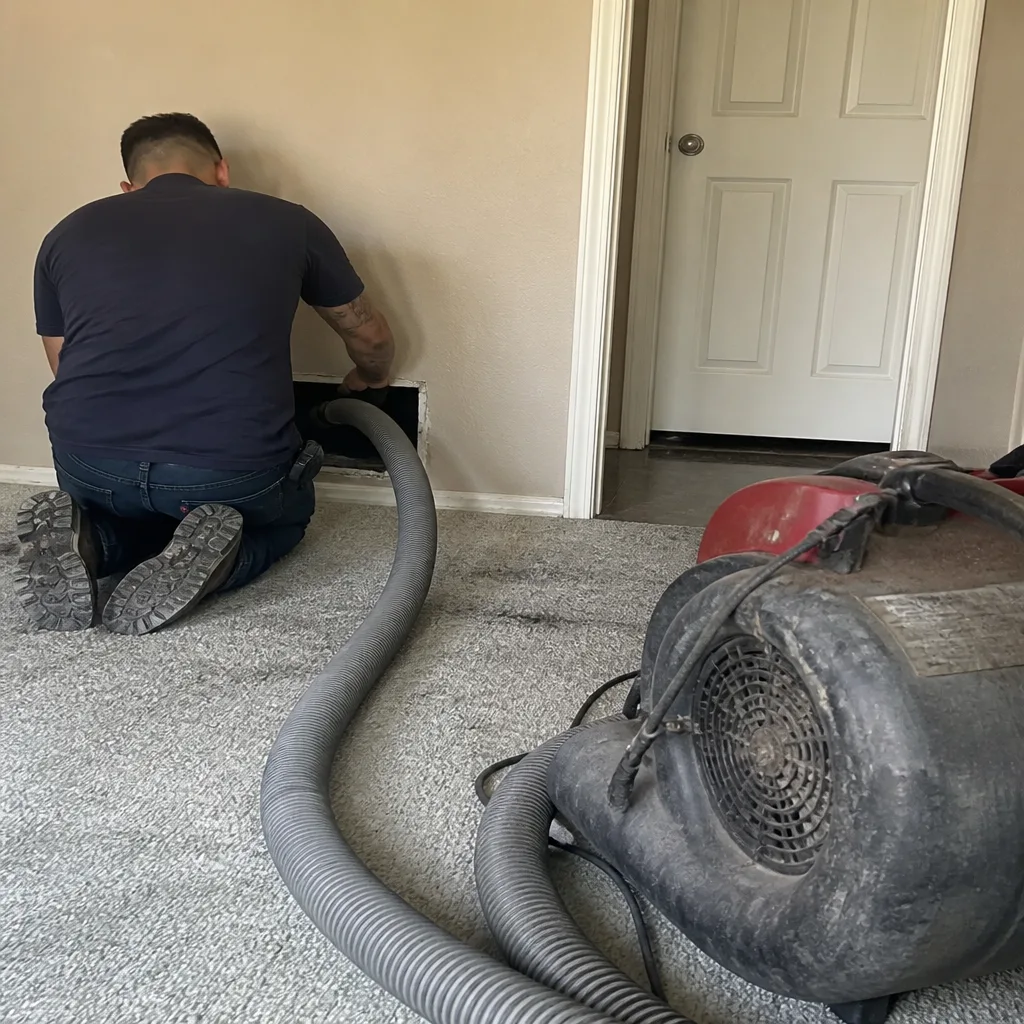 Before
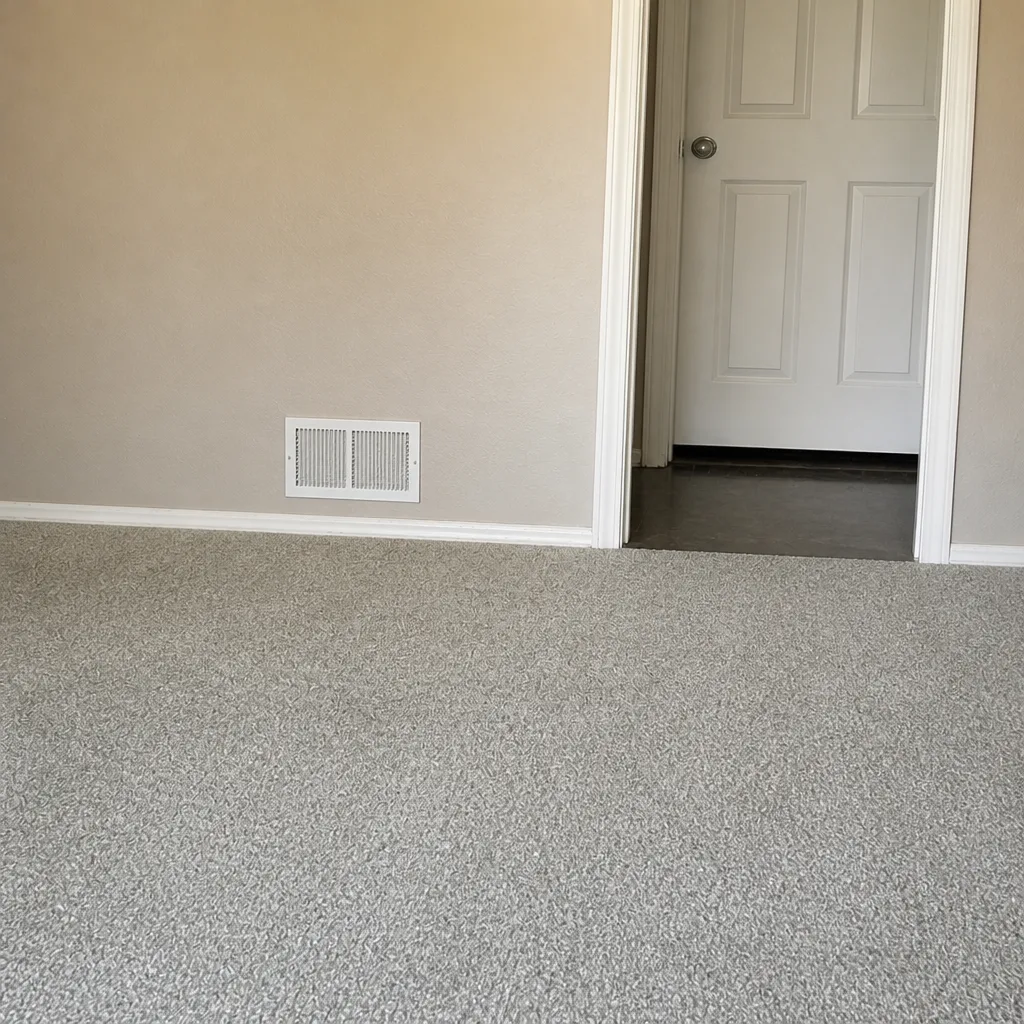 After
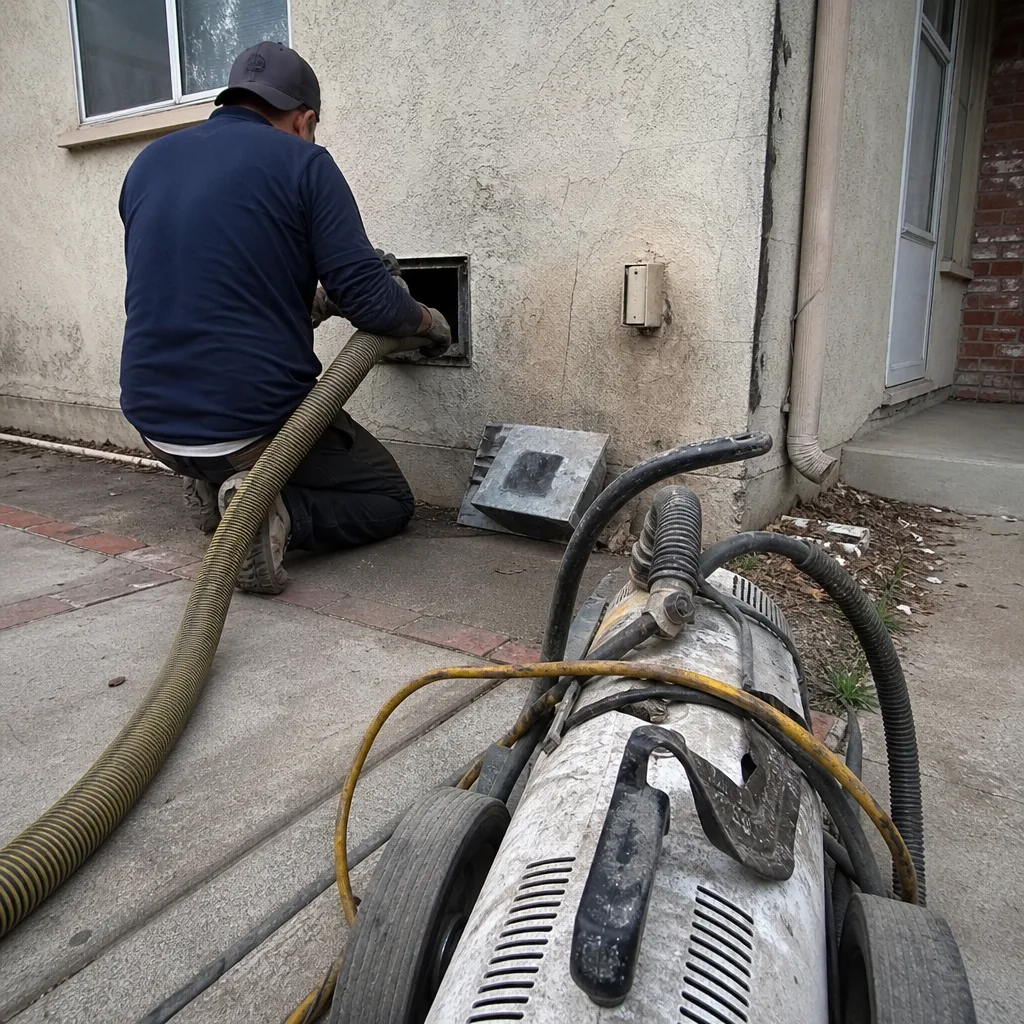 Before
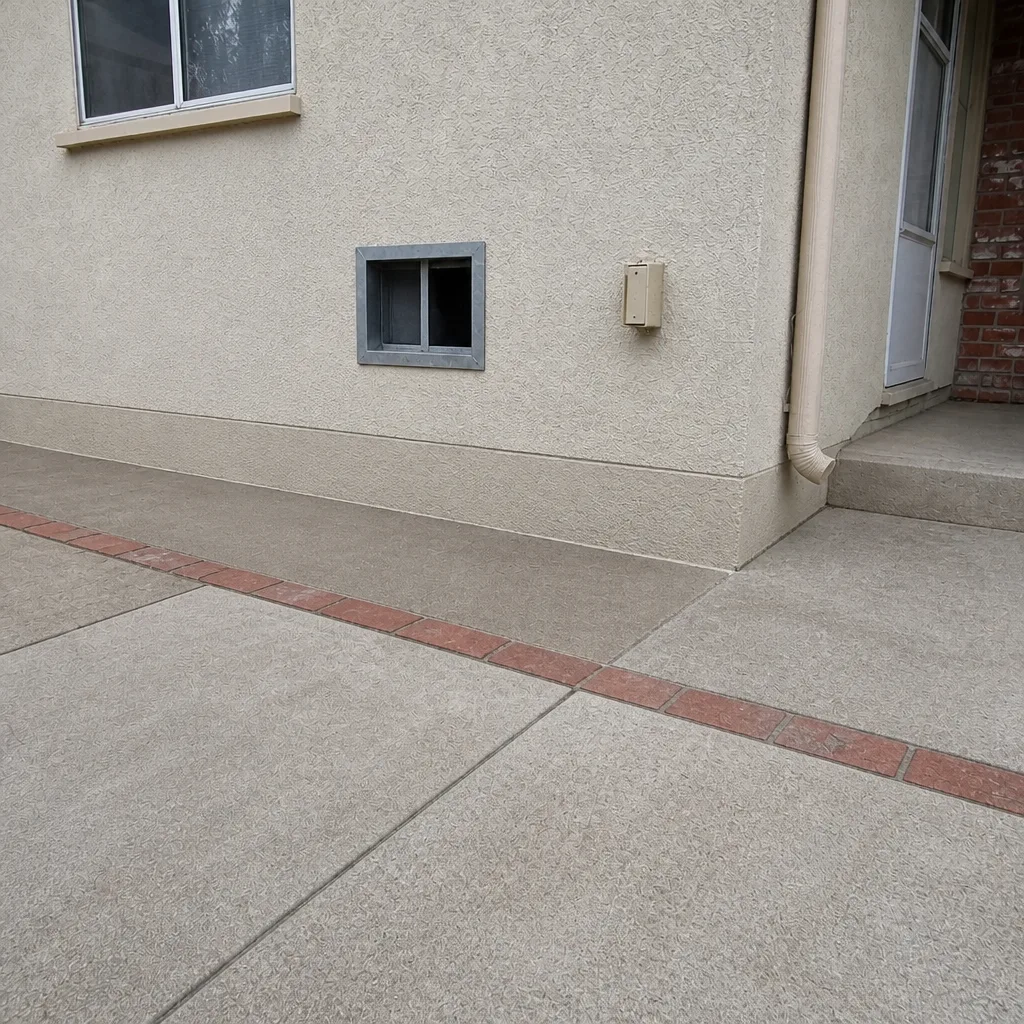 After
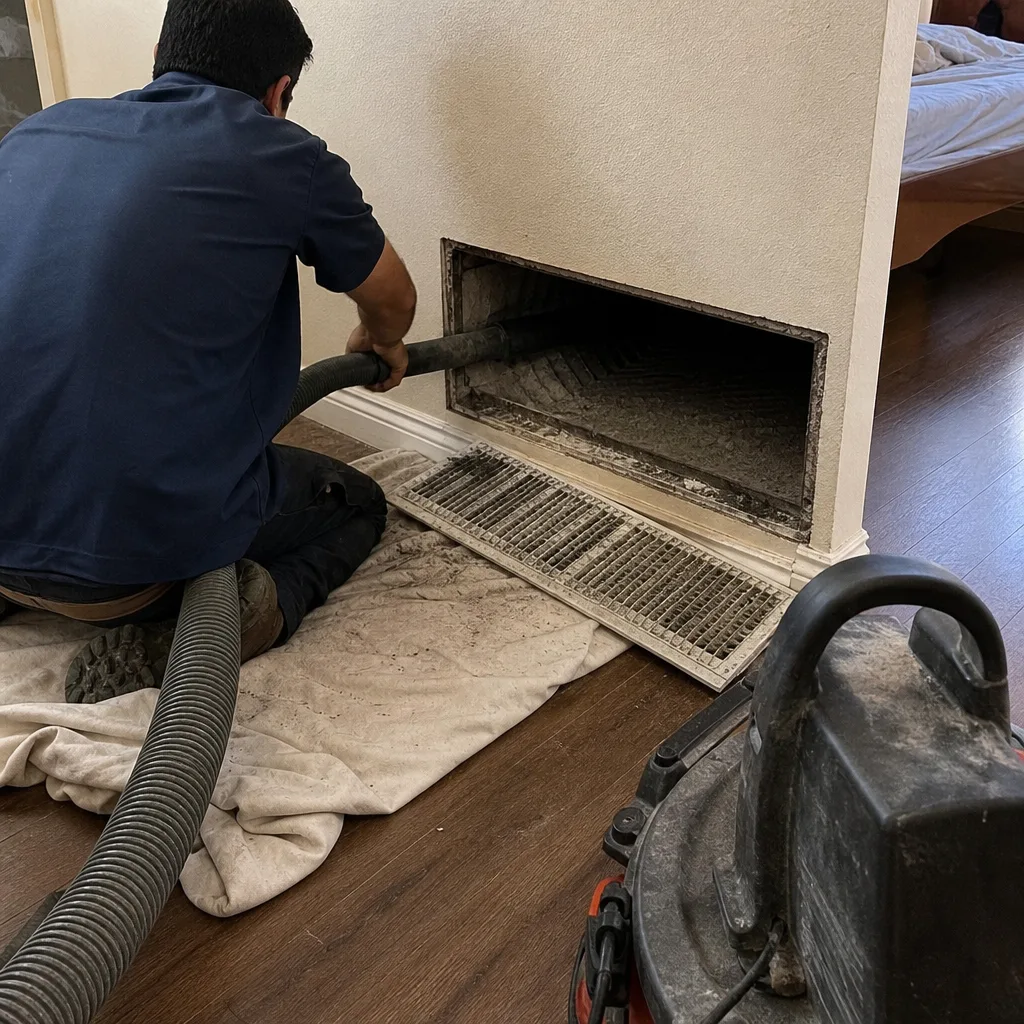 Before
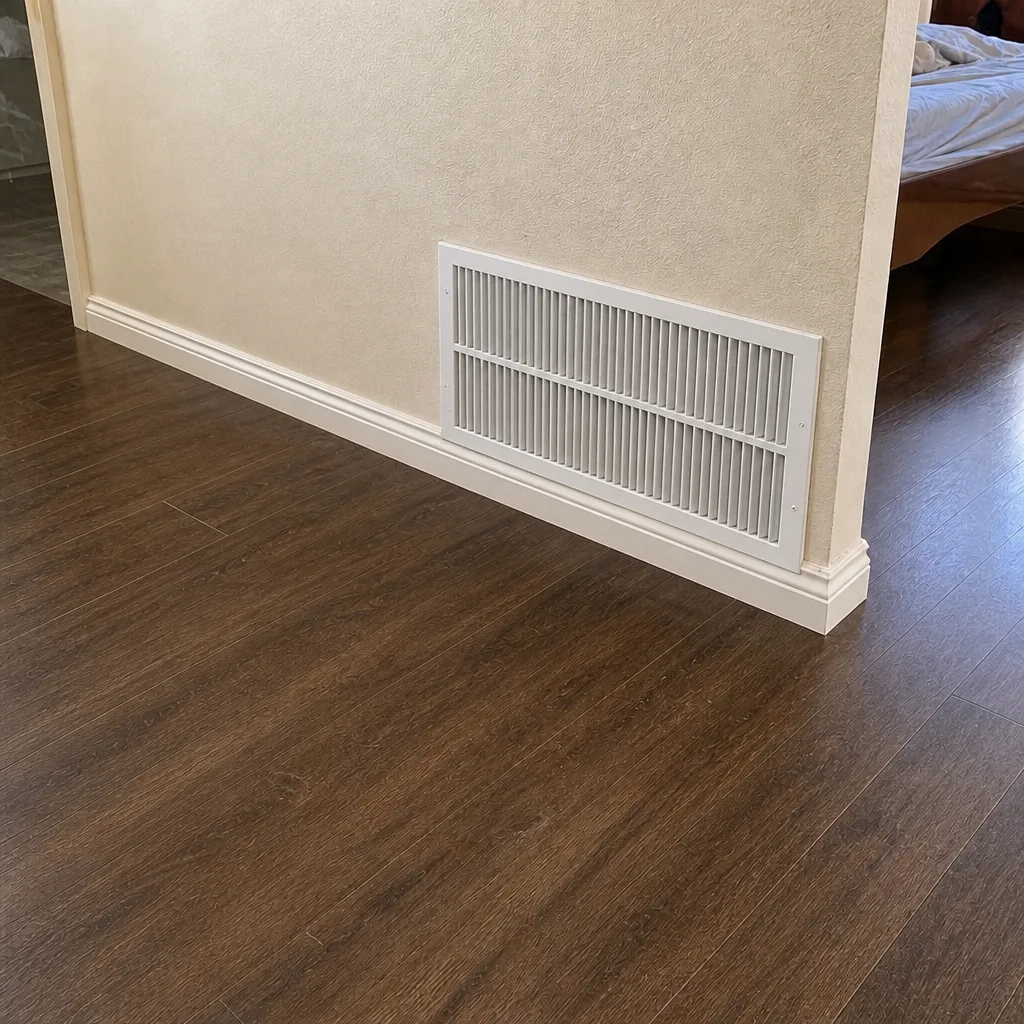 After