
Last updated November 5, 2026
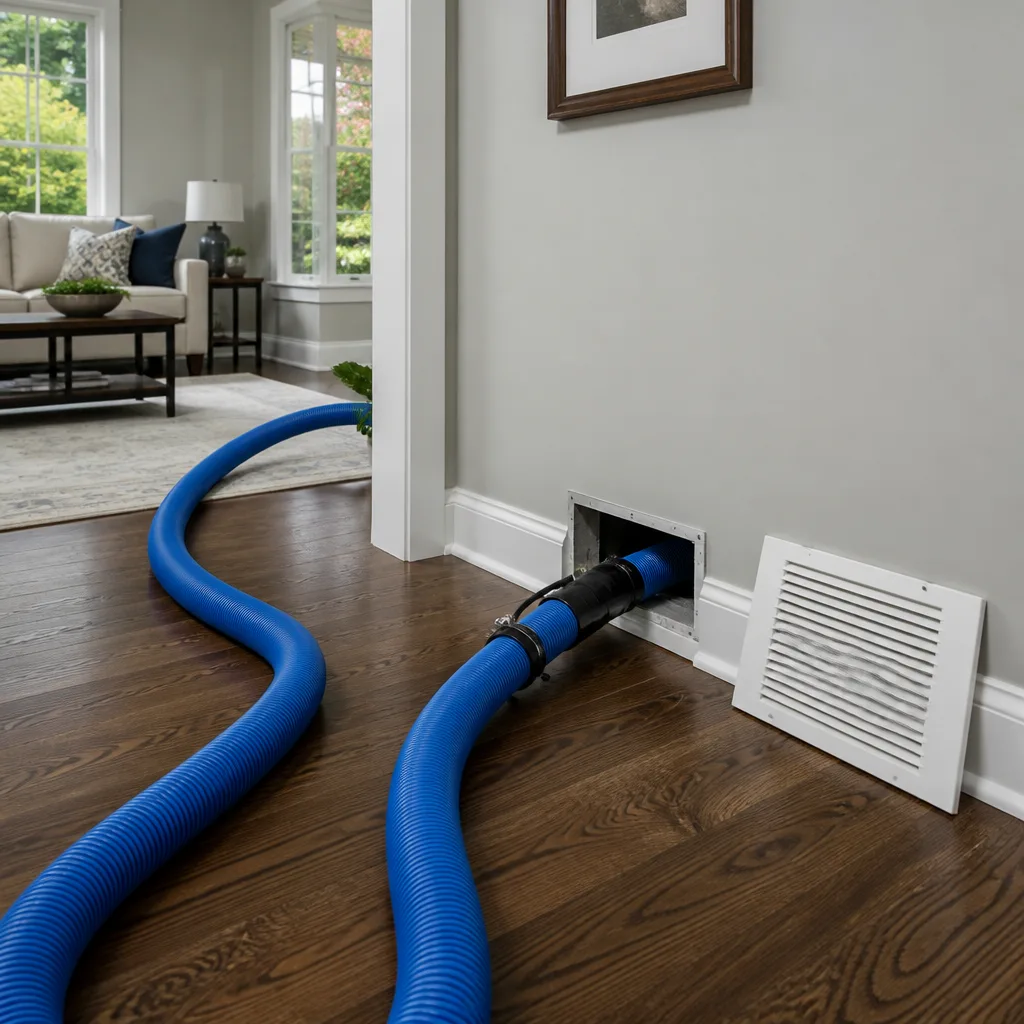 Whole-home duct cleaning
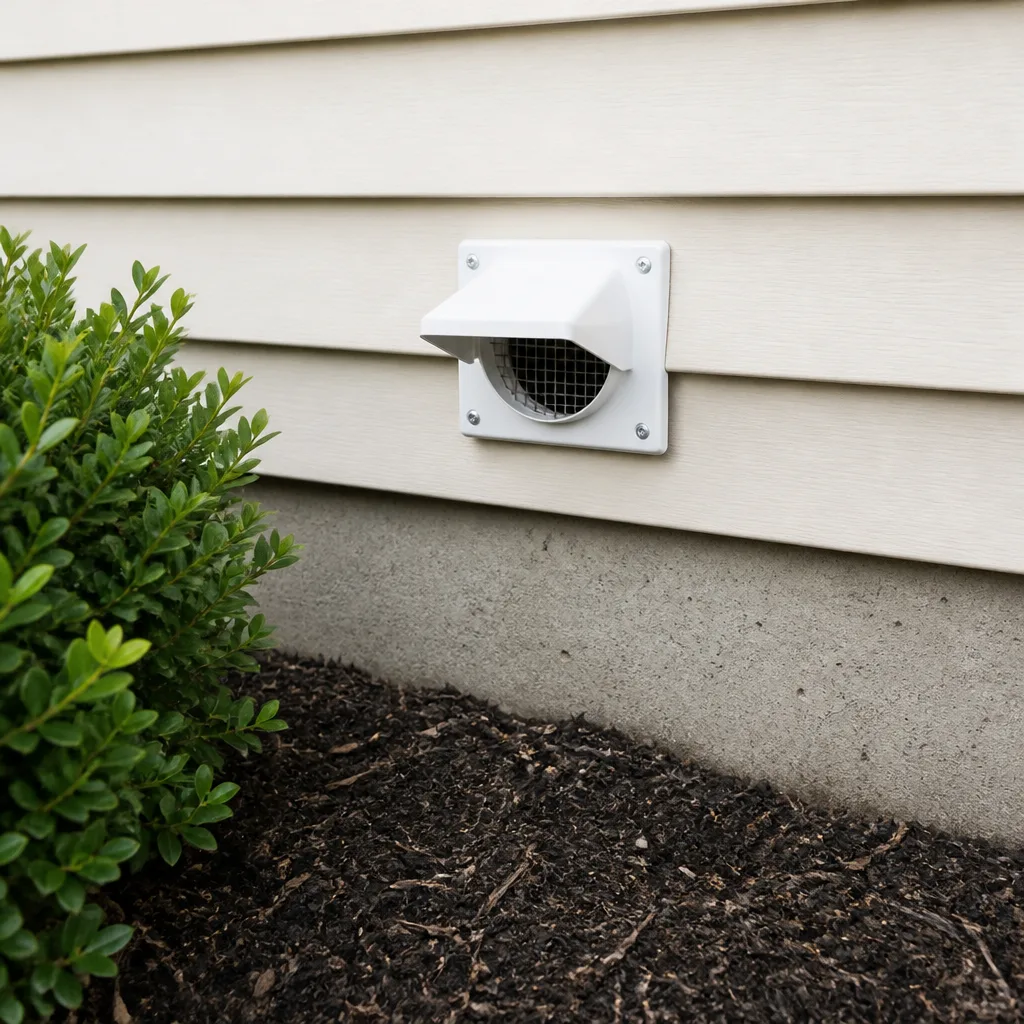 Dryer vent cleaning
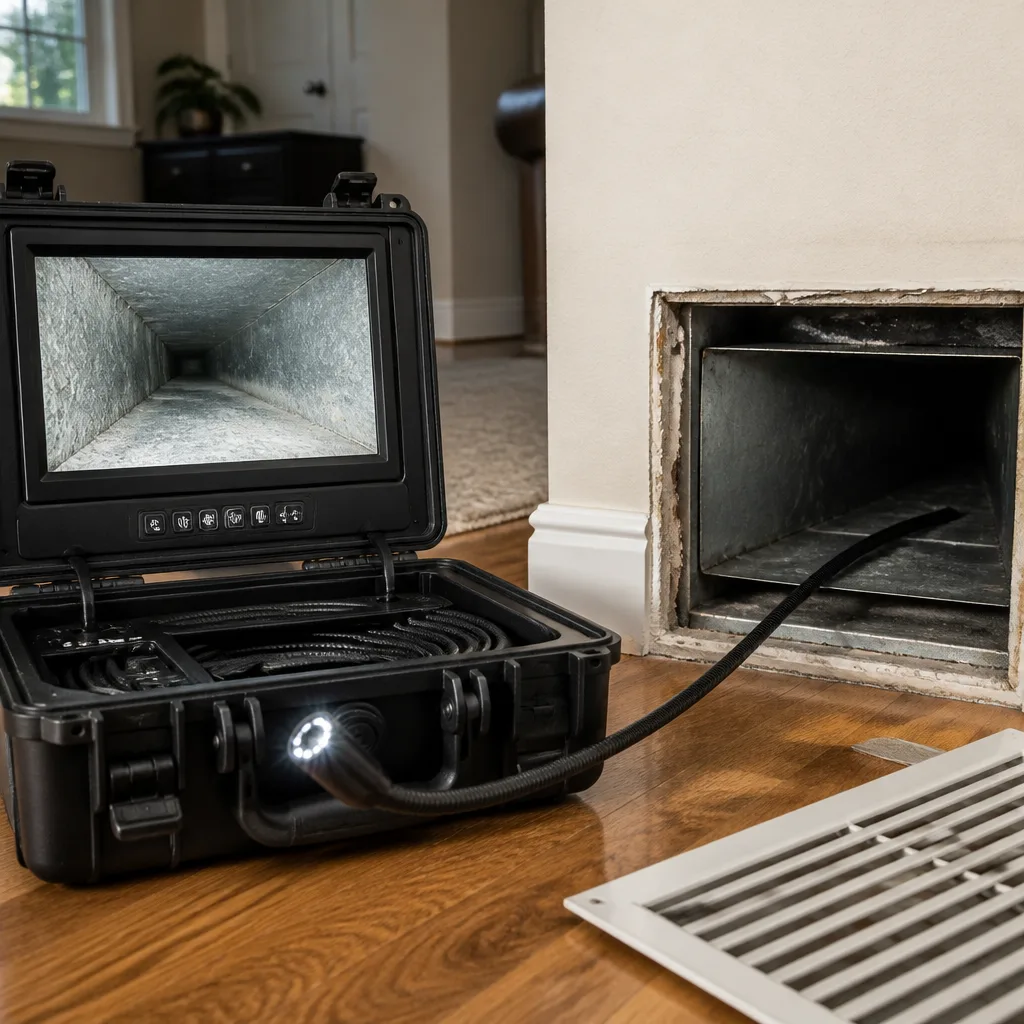 Camera inspection
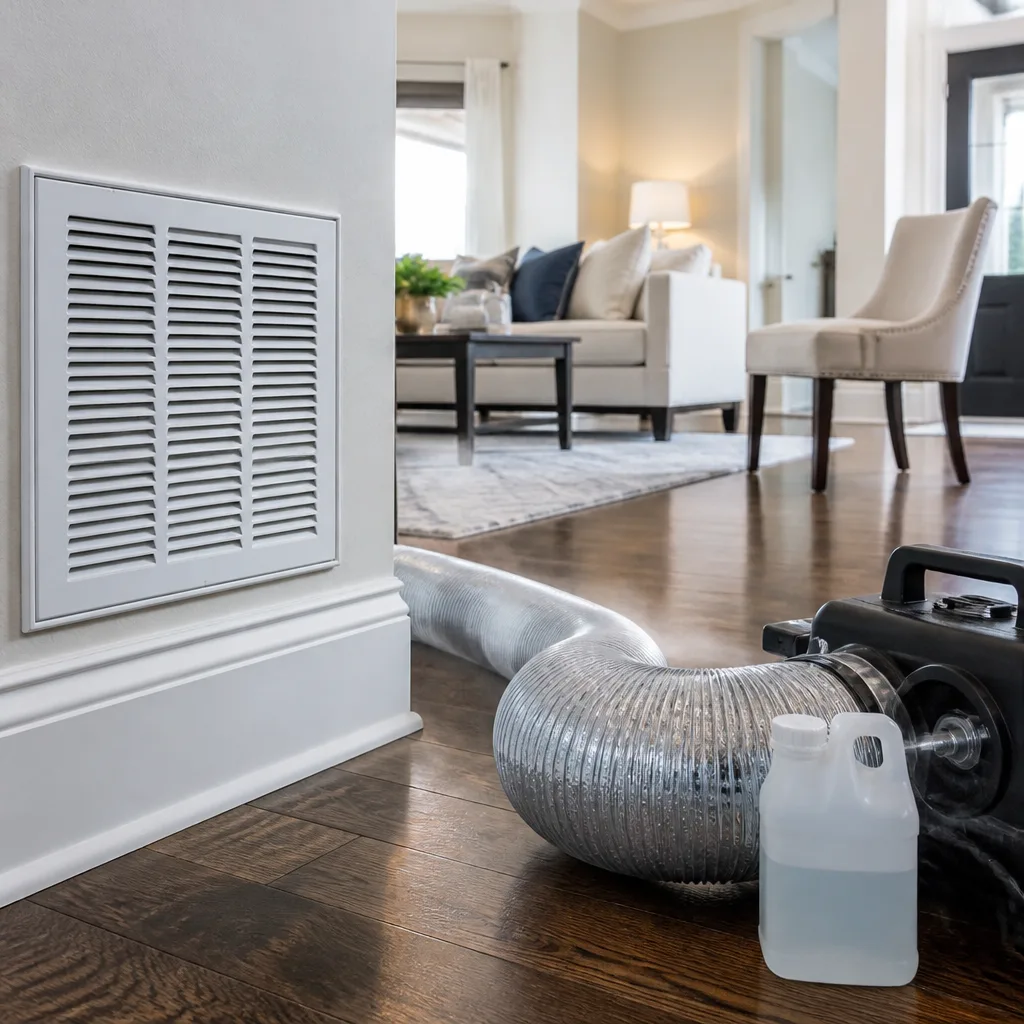 Sanitizing & deodorizing
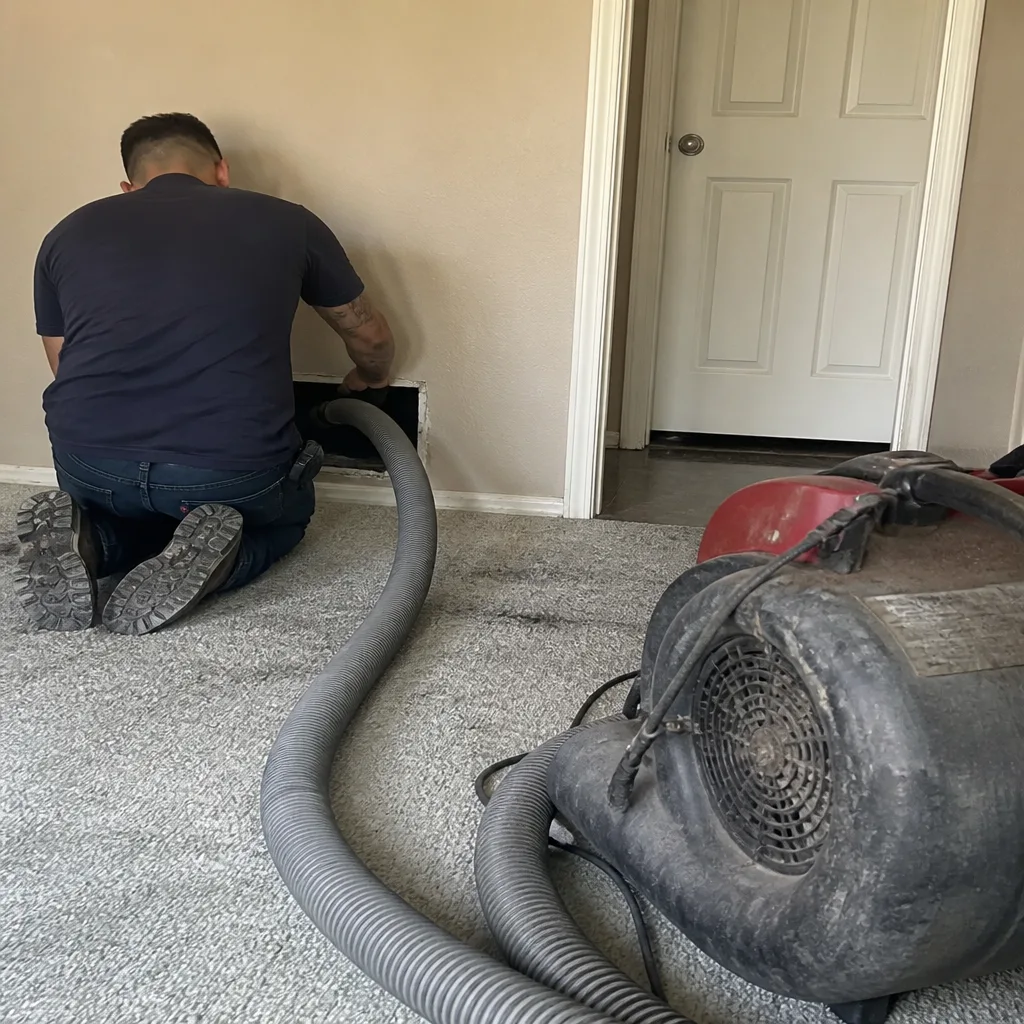
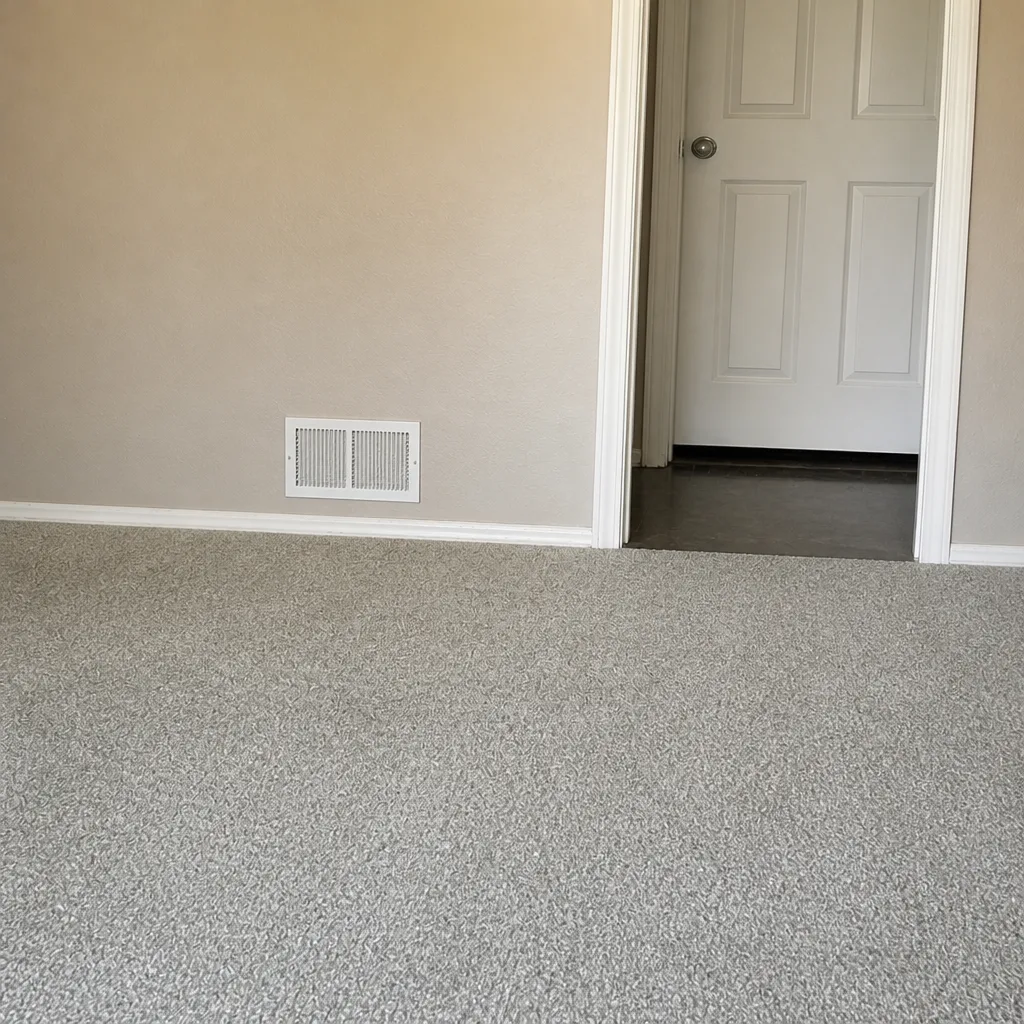
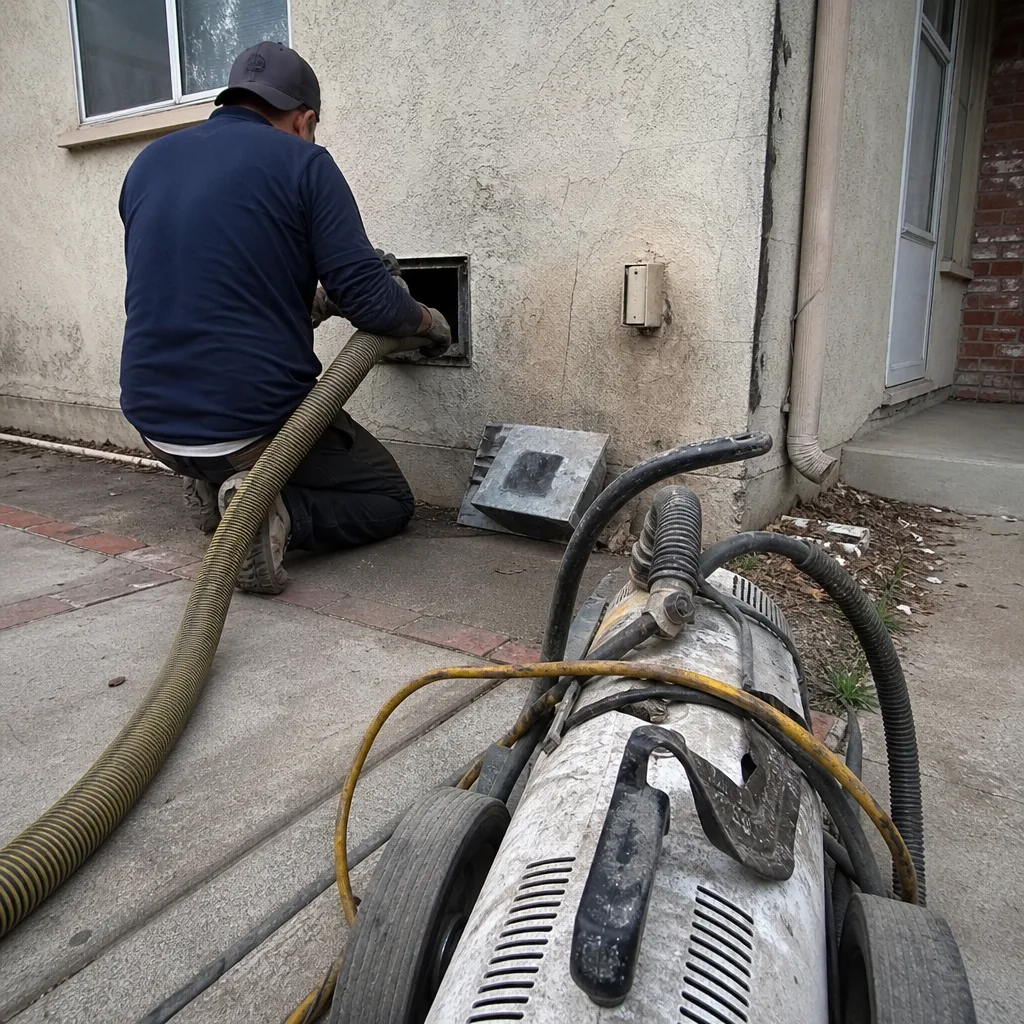
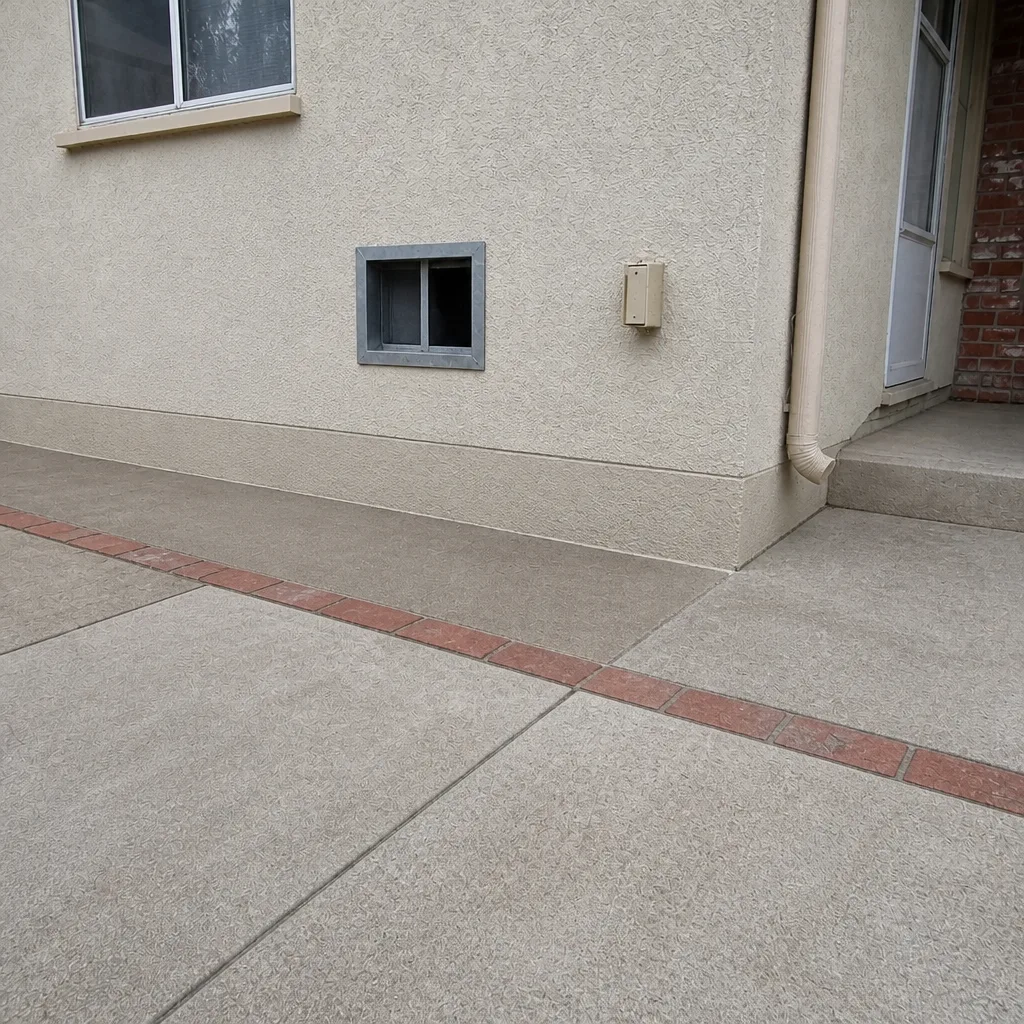
Whole-system duct and dryer vent check with before-and-after photos - you see exactly what came out of your vents
That "$99 whole-house special" is a bait ad - the real number appears once they are in your hallway, or the "clean" is a shop-vac at the register. We photograph the inside of your ducts before and after instead.
How to Hire an Air Duct Cleaning Contractor in Corona: A Step-by-Step Guide
Most Corona homeowners approach hiring a duct cleaner the same way they’d hire a plumber: check a few reviews, compare two quotes, pick the middle one. That method fails here because California imposes almost no licensing barrier to entry for this trade. A person with a rented van, a household shop vac, and a printed flyer can legally call themselves an air duct cleaning contractor. This guide gives you the technical questions that separate equipment-serious specialists from under-equipped operators, because the difference shows up in your air quality, your utility bill, and whether the job actually removes contamination or just stirs it around. By the end, you’ll know exactly what to ask before anyone touches your ducts in Corona.
Quick Answer
To hire an air duct cleaning contractor in Corona, ask about the vacuum system’s negative pressure rating, whether they use contact cleaning tools like Rotobrush or Nikro systems, and what filtration stage their extraction unit runs. Verify the company’s Riverside County business registration, demand a site-specific written scope of work after a physical walkthrough, and reject any quote that arrives without someone having looked at your system. The right contractor names their equipment, explains their containment method, and can repair damaged ductwork, not just clean around it.
Styles & brands we work with
- Whole-home duct cleaning
- Dryer vent cleaning
- Camera inspection
- Sanitizing & deodorizing
Table of Contents
- Why the Lack of Licensing Makes Your Questions Matter
- The Four Equipment Questions That Separate Real Contractors from Flyer Drops
- What NADCA Membership Actually Means (and What It Doesn’t)
- Red Flags Embedded in the Quote Itself
- How to Verify a Contractor’s Legitimacy in Riverside County
- What a Legitimate Pre-Job Walkthrough Looks Like
- Reading the Scope of Work Like an Inspector Would
- Containment and Negative Air: Why It Matters in Corona Homes
Why the Lack of Licensing Makes Your Questions Matter
Here’s the uncomfortable truth about this trade in California: there is no state-issued specialty license for air duct cleaning. A contractor may hold a general contractor’s license, a C-20 HVAC license, or no contractor’s license at all, and all three could legally offer duct cleaning in Corona. That’s not a technicality. It means the burden of qualifying a contractor lands entirely on you, the homeowner. A general contractor’s license proves they can pull permits and run a business. It says nothing about whether they own professional extraction equipment or understand static pressure, airflow dynamics, or contamination control. This is precisely why the questions in this guide focus on equipment, process, and written scope, not on badges and certificates alone. When you call a company like Duct Cleaning Corona, you should hear specific equipment brands and process details, not vague promises about “deep cleaning.” A specialist who can name their vacuum system’s negative pressure rating has invested in the trade. Someone who can’t answer that question hasn’t.
The Four Equipment Questions That Separate Real Contractors from Flyer Drops
Most homeowners never think to ask about vacuum pressure, filtration stages, or agitation methods. That’s exactly what under-equipped operators count on. These four questions take two minutes on the phone and will tell you more than forty Yelp reviews. Write them down before you call anyone in Corona.
- What is the negative pressure rating of your vacuum system? Professional extraction units pull air at high negative pressure, measured in cubic feet per minute (CFM) and static lift. A truck-mounted or high-powered portable system from a serious contractor pulls hard enough to keep loosened debris moving out of your ducts and into containment. A household shop vac produces a fraction of that pull. Ask for the rating. If the person stumbles, that’s your answer.
- Do you use contact cleaning or agitation-only? Contact cleaning means mechanical agitation tools physically scrub the duct walls, like the Rotobrush and Nikro systems we run at Duct Cleaning Corona. Agitation-only means compressed air or a whip line rattles around inside. Contact cleaning removes adhered debris, dust caked on from years of air movement, and pet hair woven into buildup. Agitation alone often just loosens the top layer.
- What filtration stage does your extraction unit use? A professional system filters the exhaust before it leaves the machine. HEPA filtration catches fine particulates that would otherwise blow right back into your Corona living room. If the answer is “we put a filter on the vent,” that’s not the same thing. The extraction unit itself should carry the filtration burden.
- How do you contain the work area? Serious contractors create negative air pressure inside your home during the job, using containment equipment like Abatement Technologies units. That pulls airborne dust toward the extraction point rather than letting it drift into bedrooms and kitchens. No containment plan means dust migration is likely, especially in typical Corona homes where the air handler sits in a closet or garage adjacent to living space.
These four questions do more than screen contractors. They tell you whether the person on the other end of the phone understands the physics of moving air through an enclosed system. Air duct cleaning is extraction work, not just scrubbing. The tools define the trade.
What NADCA Membership Actually Means (and What It Doesn’t)
NADCA, the National Air Duct Cleaners Association, is the closest thing this trade has to a professional standard-setting body. Membership signals that a contractor has access to industry training, follows published cleaning standards, and takes the craft seriously enough to pay dues and stay current. That’s meaningful. But a NADCA logo on a truck is not a guarantee of anything on your specific job. Membership doesn’t mean a company owns professional equipment. It doesn’t mean their technicians show up with containment gear. It doesn’t mean the quote you receive reflects what will actually happen in your ducts. We’ve seen NADCA members run excellent operations, and we’ve seen members cut the same corners as the flyer crews. In our experience, the membership card matters less than the site-specific scope of work. A contractor who walks your Corona home, inspects your registers and return, maps the duct runs, and then writes what they’ll do for your system specifically is operating at a higher level than one who quotes flat-rate pricing from a phone call. Ask about NADCA. Then ask for the written scope. The second answer matters more.
Red Flags Embedded in the Quote Itself
You can learn a lot from how a quote is structured before you ever compare dollar amounts. Most bait-and-switch operations in this industry telegraph themselves in the line items. Here’s what should make you pause when a quote arrives from any Corona contractor.
- Flat-rate pricing regardless of duct count. A real quote accounts for how many supply runs, returns, and registers your system has. A two-bedroom condo and a five-bedroom house with a sprawling duct layout are not the same job. Flat-rate pricing means either the contractor hasn’t looked at your system, or they plan to cut the job to fit the price.
- No pre-job inspection. Anyone who quotes a duct cleaning without seeing the system is guessing. Ducts hide behind walls, above ceilings, in crawlspaces and attics. Access points vary. Contamination levels vary. A legitimate quote comes after someone puts eyes on the actual work.
- Vague line items like “sanitizing included.” What sanitizer? Applied how? At what concentration? Registered for HVAC use? A vague line item is a blank check. Professional-grade products, like the Guardsman line, have specific application protocols and EPA registration. If the quote doesn’t name the product and the method, it’s padding.
- One price for “entire home, any size.” Same problem as flat-rate pricing with extra marketing spin. It’s designed to sound simple. Real jobs vary, which is why real contractors walk the property first.
- Time-based pricing without a defined endpoint. “We clean for up to two hours” tells you nothing about what actually gets cleaned. A legitimate scope defines the surfaces, the access points, and the completion standard.
A good quote shows you the contractor thought about your house, not about their calendar. If the line items read like a fast-food menu, that’s what the service will taste like.
How to Verify a Contractor’s Legitimacy in Riverside County
Yelp ratings and Google reviews are social signals. They tell you how pleasant the booking experience was, not whether the company is legally established and insured. In Riverside County, you have better tools available, and they take about ten minutes to use.
- Check the California Contractors State License Board (CSLB) database. Look up the company name. Confirm the license is active, check the license classification, and note how long the license has been held. A C-20 HVAC classification means they’re licensed for warm-air heating, ventilating, and air-conditioning work. A general contractor’s license covers broader scope. No license at all is a hard stop.
- Ask for proof of liability insurance and workers’ compensation. A legitimate contractor sends a certificate of insurance without hesitation. If a worker gets injured on your Corona property and the company isn’t insured, your homeowners policy becomes the target.
- Check the Riverside County business registration. Any business operating in the county should have a fictitious business name statement or business registration on file. It’s not glamorous, but it confirms they operate as a real business entity, not a phone number that disappears after a bad job.
- Look at their equipment photos. A serious contractor shows you their rig. Truck-mounted systems, professional portable units, containment equipment, camera inspection gear. If their website shows stock photos of smiling people with clipboards, they’re probably renting everything.
This verification process filters out most of the low-end operators in the Corona market. It’s not about paperwork for its own sake. It’s about confirming that the company answering your call today will still exist if something goes wrong next month.
What a Legitimate Pre-Job Walkthrough Looks Like
Before any work begins, a legitimate contractor walks your Corona home and maps the system. This walkthrough is not a sales pitch. It’s a technical assessment. Here’s what happens during one, step by step.
- Identify every access point. The contractor locates each supply register, the return grilles, the air handler, the filter slot, and the plenum connections. They note how many runs the system has and whether any are hard-piped or flex duct.
- Assess the system condition. They remove a register or two and look inside. They may use a borescope camera to check deeper runs. They look for visible contamination, moisture staining, crushed or disconnected flex, and rodent or pest evidence.
- Map the cleaning path. They figure out where the extraction unit will connect, where the access cuts will go if needed, and how they’ll reach every run. Some Corona homes have ductwork in tight attic spaces or slab foundations that limit access. A real walkthrough identifies those challenges before the job is booked.
- Confirm the scope with you. Here’s what we found, here’s what we’ll clean, here’s what needs repair, here’s what it will cost. You should hear those specifics in the same visit, not in a follow-up email after you’ve signed something.
- Document the starting condition. A professional takes before-and-after photos of the duct interiors. If they can’t show you the difference, the job didn’t happen the way they described.
A fifteen-minute walkthrough separates the specialists from the sales crews. If someone shows up, glances at one return, and hands you a quote, they didn’t assess your system. They priced a guess.
Reading the Scope of Work Like an Inspector Would
The scope of work is the most important document in this transaction. More than the invoice, more than the marketing materials, more than the NADCA certificate. A legitimate scope tells you exactly what surfaces get cleaned, how access will be achieved, what products will be used, and how completion will be verified. Here’s how to read one critically.
Look for specificity of surfaces. The scope should state whether it covers supply ducts, return ducts, the supply plenum, the return plenum, the air handler interior, the blower wheel, the evaporator coil, and the register grilles. “Full system cleaning” is not a scope. A list is a scope.
Look for access methodology. Will the contractor cut access holes in the ductwork and reseal them with proper patches? Will they use existing register openings only? How many access points will be added? A legitimate scope describes the access plan, because access determines whether the cleaning actually reaches the full duct length.
Look for product names. If sanitizing or deodorizing is part of the job, the scope should name the product and the application method. Professional lines like Guardsman are applied under specific protocols. “Sanitizing” with no product name means you’re paying for a mystery.
Look for a completion standard. How will you know the job is done? Visual inspection? Photos? Camera documentation? The scope should define it. We provide before-and-after photos of the duct interiors on every job, because that’s the only way for a Corona homeowner to verify work they can’t physically see.
Look for repair notes. This is where many cleaning-only companies fall short. A scope should note any compromised duct sections found during the walkthrough, and either include repair pricing or flag it as a separate service. We offer dryer vent cleaning as a dedicated fire-safety service, and we also handle duct repair as a standalone scope, because cleaning a broken duct is a half-finished job.
Containment and Negative Air: Why It Matters in Corona Homes
Imagine loosening a decade of dust from your ducts and then blowing it through the rest of the house. That’s exactly what happens when a contractor runs agitation tools without proper extraction and containment. The entire point of professional duct cleaning is to remove contaminants, not relocate them into your living room carpet and curtains. Which is why containment is the dividing line we talk about most often with Corona homeowners.
In our work with air duct cleaning jobs, we use professional-grade Rotobrush and Nikro systems for contact agitation, paired with Abatement Technologies negative-air containment. The negative air machine creates a pressure differential that pulls airborne dust toward the extraction point, while HEPA-stage filtration catches the fine particulates. The result is simple: contaminants leave your home, not just move around it. This matters more in Corona than it might in a coastal town, because the Inland Empire’s dry climate and constant dust load mean buildup here is fine, layered, and easily suspended in air. Proper containment isn’t a luxury feature. It’s the part of the job that keeps the cleaning from making things worse.
We also work with Honeywell and Aprilaire filtration products when homeowners want to address air quality beyond the duct itself. A clean duct system paired with upgraded filtration handles the particulates that re-enter the system between cleanings. It’s an option we discuss when the walkthrough shows a system that would benefit, not an upsell we push on every job.
Common Mistakes to Avoid
- Comparing quotes without comparing scopes. A $299 quote that cleans “supply ducts only” is not cheaper than a $499 quote that covers the full system. Compare line items, not headlines. Corona has enough legitimate contractors that you don’t need to guess at what’s included.
- Trusting reviews from customers who can’t verify the work. Duct cleaning happens where you can’t see. A five-star review from someone who didn’t get before-and-after photos is just someone who liked the technician’s personality. Ask for visual proof from your contractor, not from strangers online.
- Hiring a generalist HVAC company for a specialist job. Duct cleaning is an equipment-intensive trade. A company that treats it as an add-on to their installation business often runs household-grade gear. Hire a company whose core craft is duct work.
- Skipping the insurance check. If an uninsured worker gets hurt in your attic, you’re liable. Confirm workers’ comp coverage before the job, every time.
- Accepting a quote without a walkthrough. A contractor who can’t be bothered to see your system before pricing it will not magically become thorough once they’re inside it.
- Ignoring the dryer vent. Many Corona homes have dryer vents that haven’t been cleaned in years. Lint accumulation is a fire hazard, not a maintenance checkbox. Ask whether the contractor handles dryer vents as a dedicated scope, not an afterthought.
- Falling for “whole house for one low price” advertising. The math only works if the contractor cuts the job to fit the price. Real cleaning takes hours and real equipment costs money. If it sounds too cheap to be thorough, it is.
See the difference
 Before
 After
 Before
 After
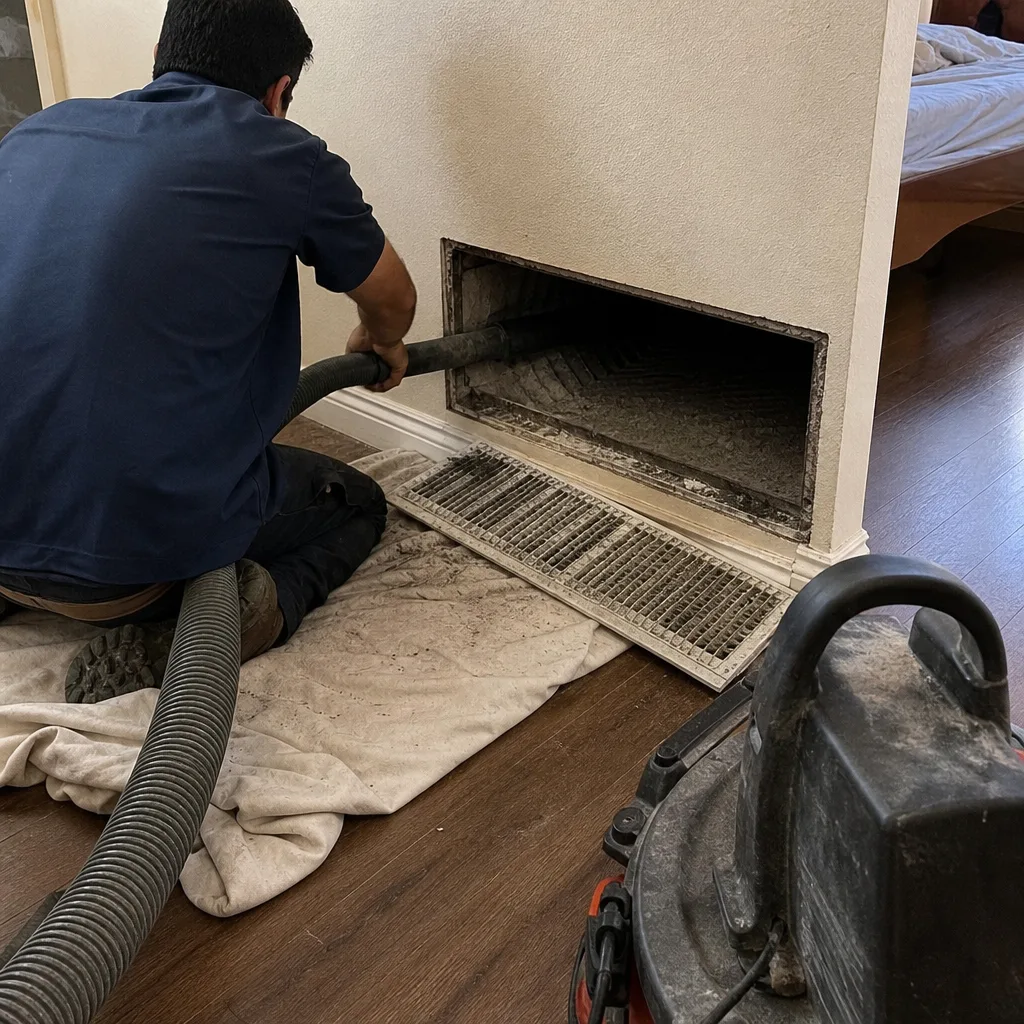 Before
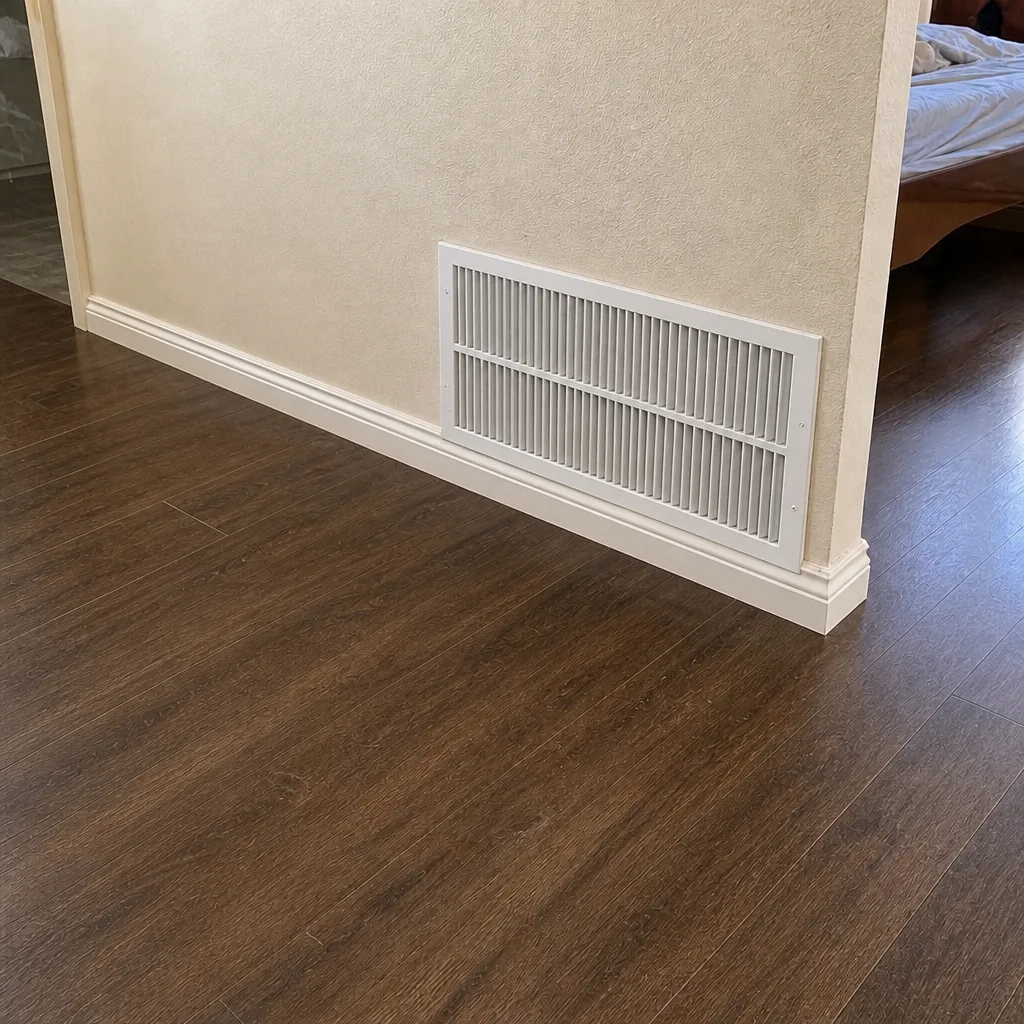 After
When to Call a Professional
Some situations clearly warrant a professional duct cleaning rather than a filter swap and a weekend of vacuuming registers. If you’ve lived in your Corona home for several years and have never had the ducts serviced, that’s the easiest sign. If you see visible dust on the register grilles that returns within days of cleaning, the buildup inside the system is likely shedding particulates back into the rooms. If any room stays musty despite regular cleaning, or if your air feels uneven from room to room, the ductwork itself may be restrictive or damaged. Pet owners in Corona typically accumulate hair and dander in the return side faster than the supply side. And if you’ve done renovation work, drywall dust will have settled into every horizontal duct surface. In all these cases, a walkthrough and written scope tell you what’s actually there. Duct Cleaning Corona offers free estimates in Corona, call (855) 923-0983. We answer 24/7. Fast dispatch from 7am to 7pm, Sunday through Friday.
Frequently Asked Questions
Check the California Contractors State License Board database for an active license, ask for proof of liability insurance and workers’ compensation, and verify the company has a Riverside County business registration. Then ask the four equipment questions in this guide. A legitimate contractor passes all three checks and can name their equipment.
Professional equipment includes truck-mounted or high-powered portable extraction units rated in CFM and static lift, contact agitation tools like Rotobrush or Nikro systems, HEPA-filtered extraction, and negative-air containment units from brands like Abatement Technologies. If the contractor shows up with a shop vac and a drill attachment, the job won’t meet professional standards.
A proper cleaning of a typical single-family home in Corona takes between three and six hours, depending on the number of duct runs, the access conditions, and the contamination level. A contractor promising a full-system cleaning in under two hours is either cutting corners or not cleaning the full system.
Yes. Demand them. Duct work happens where you can’t see it, and before-and-after photos of the duct interiors are the only way to verify the cleaning happened as described. A contractor who won’t provide them hasn’t earned your trust.
Yes, and the Inland Empire’s dry, dusty conditions mean buildup accumulates faster here than in coastal areas. Fine particulate layers settle in duct runs over years, and once the system stirs it up, it recirculates through the house. Regular cleaning paired with quality filtration makes a measurable difference in how much dust settles on surfaces between cleanings.
Yes. We walk the property, assess the system, and write a site-specific scope of work before any quote is finalized. Call (855) 923-0983 to schedule a walkthrough in Corona. We answer 24/7. Fast dispatch from 7am to 7pm, Sunday through Friday.
The Bottom Line
Hiring a duct cleaning contractor in Corona comes down to asking the right technical questions and demanding written specifics before anyone touches your system. The contractors worth hiring name their equipment and their containment method, walk your home before quoting, and provide visual proof of the work. The ones to avoid hide behind flat rates, vague line items, and reviews from customers who never saw inside their own ducts. We clean it, and if it’s broken, we fix it. That’s the standard any Corona homeowner should hold a duct contractor to, and it’s the one we’ve worked to since 2012.
Written by the team at Duct Cleaning Corona, serving Corona since 2012.